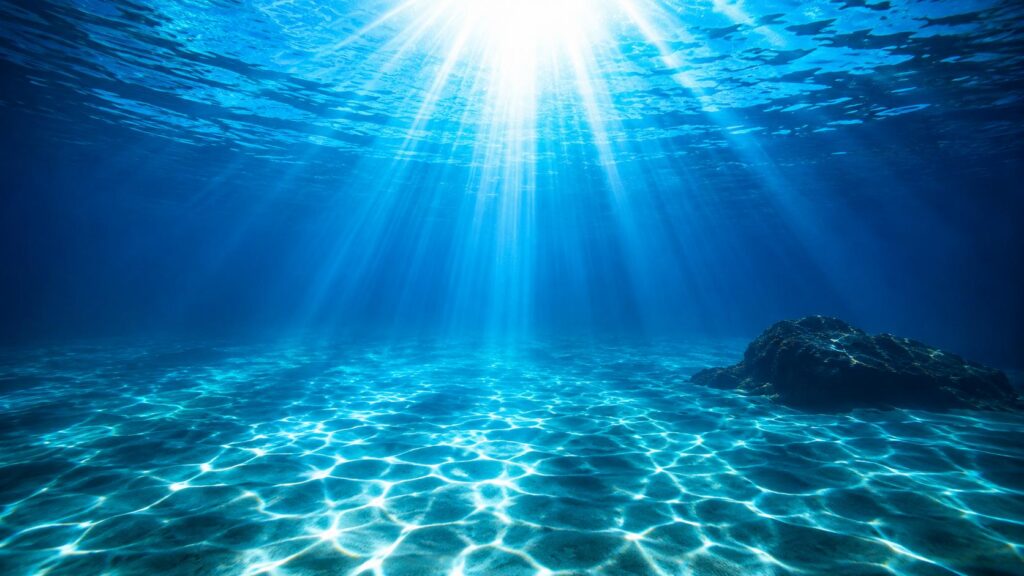
As coastal challenges intensify along Benin’s shoreline and the Gulf of Guinea, the country has taken a decisive step forward. Through the OPERA project (Ocean Prediction Enhancement in Regions of Africa), a groundbreaking international training program in ocean forecasting has just drawn nearly 1,200 participants worldwide, catapulting Beninese universities and researchers into the spotlight of global maritime research.
Benin as a driving force in cutting-edge maritime science
The initiative, spearheaded nationally by the UNESCO / CIPMA Chair at the University of Abomey-Calavi (UAC), showcases the country’s academic leadership in advancing scientific expertise. This seven-week online course (MOOC) attracted 1,162 registrants from 111 countries, with Benin ranking first among the most represented nations—underscoring the strong engagement of its educators, students, and environmental managers.
According to Dr. Frédéric Bonou, a researcher and lecturer at UAC:
« What makes this program exceptional is its hands-on approach. Every module is designed to bridge theory with real-world challenges—whether for fishermen, coastal managers, or scientists. The goal is to equip learners with skills they can apply immediately in their daily work. »
Advanced tools to safeguard Benin’s coastline and fisheries
Over 21 hours of interactive learning, participants explore satellite observation technologies, Argo floats, and cutting-edge numerical models. The focus is clear: empower local stakeholders with actionable knowledge to tackle pressing issues:
- Coastal erosion prevention: Enhancing predictions of waves and tidal dynamics to protect Benin’s fragile coastline.
- Sustainable fisheries management: Mapping and forecasting zones rich in fish stocks to support responsible harvesting.
- Maritime safety: Strengthening surveillance of Benin’s territorial waters and reducing pollution risks.
A select group of 500 learners received personalized mentorship, culminating in an academic certification jointly awarded by the UNESCO Chair at UAC and the University of Toulouse.
An EU-backed partnership for regional ocean resilience
The program’s success stems from a robust collaboration between the University of Abomey-Calavi, the Gulf of Guinea Ocean Sciences Summer School (GGOSSS) network, and Mercator Ocean International. Funding for this initiative comes from the European Union under the Arc X / Global Gateway framework.
By placing Beninese youth and UAC researchers at the heart of this international expert network—including contributors from France, the United States, and Spain—the country is reinforcing its commitment to ocean science as a cornerstone of sustainable development and maritime sovereignty.



More Stories
Mali’s Wagner successor Africa Corps drains $850M from fragile budget amid shifting power dynamics
Behind the Molodo ambush: how Mali’s junta’s Russian gamble unraveled
Russia’s 2026 parliamentary vote: a landslide masked by a locked political arena