Bridging security gaps: a landmark military engagement reshapes Haiti-Benin cooperation
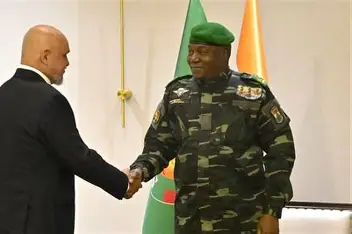
PORT-AU-PRINCE/COTONOU — The ongoing visit of Haiti’s top military commander, Lieutenant General Derby Guerrier, to Benin represents more than a diplomatic courtesy call—it signals a potential breakthrough in bilateral defense cooperation amid Haiti’s spiraling security crisis. Received by Benin’s Chief of Defense Staff, General Fructueux Gbaguidi, Guerrier’s meetings in Cotonou are unfolding at a critical juncture when both nations face escalating regional threats and seek resilient partnerships to fortify their security frameworks.
The high-level discussions come as Haiti grapples with deepening instability, including armed gang expansion, weakened public institutions, and severe pressure on domestic security forces. Against this backdrop, enhancing the capabilities of Haiti’s Armed Forces (FAd’H) and securing external support have become urgent priorities. The timing of this engagement could not be more strategic.
From proposal to momentum: Benin’s 2024 pledge gains new traction
This visit carries historical weight. In early 2024, Beninese President Patrice Talon publicly pledged up to 1,500 military personnel—potentially scaling to 2,000—to support international stabilization efforts in Haiti under the Multinational Security Support Mission (MSS). While the offer was formally made, its implementation stalled due to unresolved concerns over operational command, logistical coordination, and mission governance led by a Kenyan police commander.
Now, as General Guerrier engages directly with Benin’s military leadership, the 2024 proposal is being revisited not as a distant promise, but as a live agenda item. The absence of an actual deployment to date makes this week’s talks even more significant—they are not just symbolic; they are a recalibration of intent.
Shared challenges, shared solutions: defense cooperation beyond borders
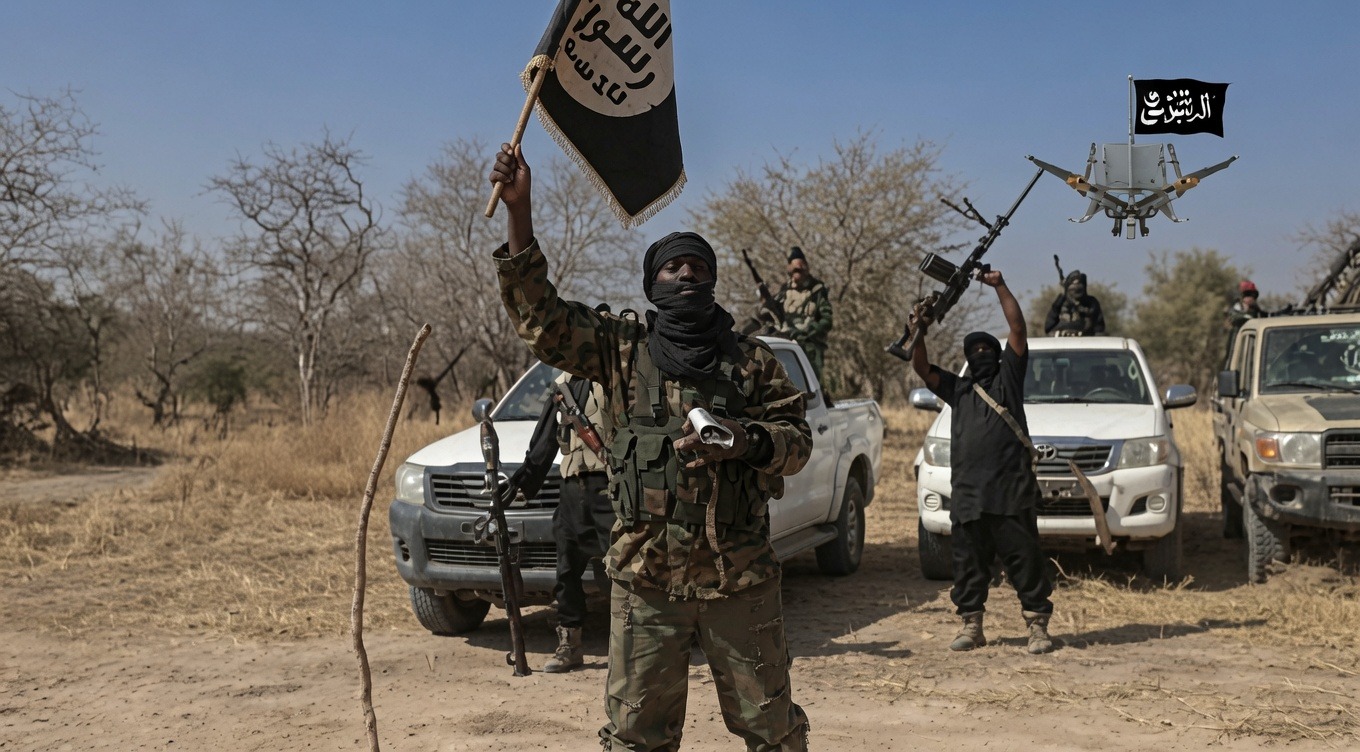
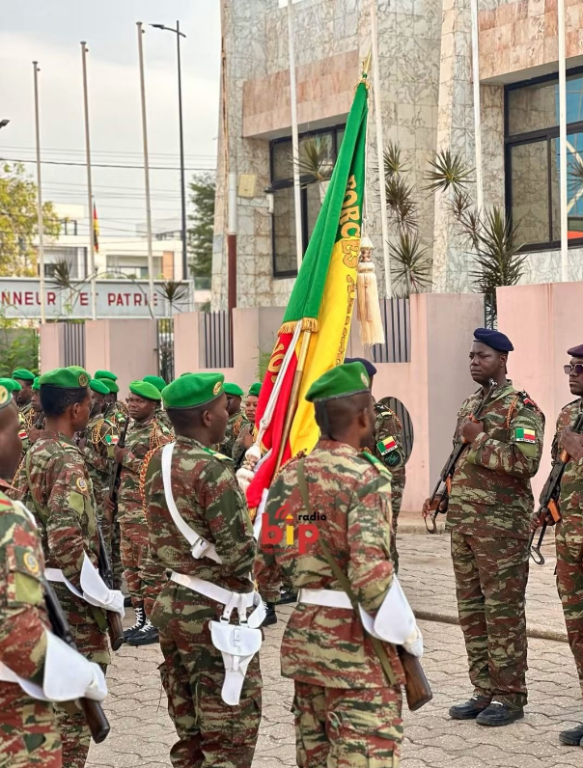
The military partnership between Haiti and Benin is not merely transactional—it is built on mutual learning. Benin, actively combating terrorist threats in its northern regions amid Sahelian instability, has strengthened its counterterrorism operations, intelligence networks, and rapid response units. Haiti, facing an internal security vacuum, can draw valuable lessons from Benin’s adaptive strategies, particularly in urban security, community-based defense, and counter-insurgency tactics.
Key areas of collaboration now under exploration include:
- Operational training: Joint exercises in crisis response and peacekeeping operations
- Intelligence sharing: Enhancing real-time threat monitoring and cross-border coordination
- Institutional capacity building: Supporting the modernization of Haiti’s defense command structures
- Logistics and sustainment: Strengthening supply chains and equipment maintenance systems
For both chiefs of defense, these exchanges are about forging a relationship that moves beyond words into actionable defense diplomacy.
South-South solidarity in focus: Haiti turns to Africa for strategic partnerships
Haiti’s search for international allies has increasingly focused on Africa, capitalizing on historical, cultural, and linguistic ties. Benin, with its proactive regional engagement and reputation for pragmatic defense policies, emerges as a natural partner. This visit underscores a broader shift—Haiti is no longer looking solely to Western powers for security solutions, but toward a resilient South-South alliance rooted in shared experience and mutual support.
While no formal announcement of troop deployment has been made, the discussions in Cotonou clearly aim to convert dialogue into deliverable outcomes. The question now is whether this momentum can sustain itself and lead to concrete agreements on personnel, training, or logistical support.
What’s next: from dialogue to durable defense cooperation
The meeting between Generals Gbaguidi and Guerrier is not just a diplomatic gesture—it is a turning point. It signals that both nations are ready to move from abstract cooperation to a structured defense partnership, one that addresses real security threats with tangible support.
Yet, the true test lies ahead. Will Haitian and Beninese authorities finalize agreements on command structures, funding mechanisms, and operational timelines? Can both militaries translate shared challenges into coordinated action? The answers will determine whether this visit becomes a milestone in regional security—or just another unfulfilled promise.
One thing is certain: the stage is set. The question now is whether both sides will seize this moment to turn strategic intent into lasting defense collaboration.