The ambush that struck a Russian Africa Corps convoy north of Niono on 28 September 2026 has triggered a wave of reactions across Mali and beyond, with analysts, local officials and residents now openly debating what the attack means for the future of the Russian paramilitary presence in the Sahel. The assault, claimed by the JNIM, left casualties and lost equipment among the Russian contingent — and it has reignited a broader argument about the effectiveness of the security arrangement in central Mali.
The ambush and the immediate fallout
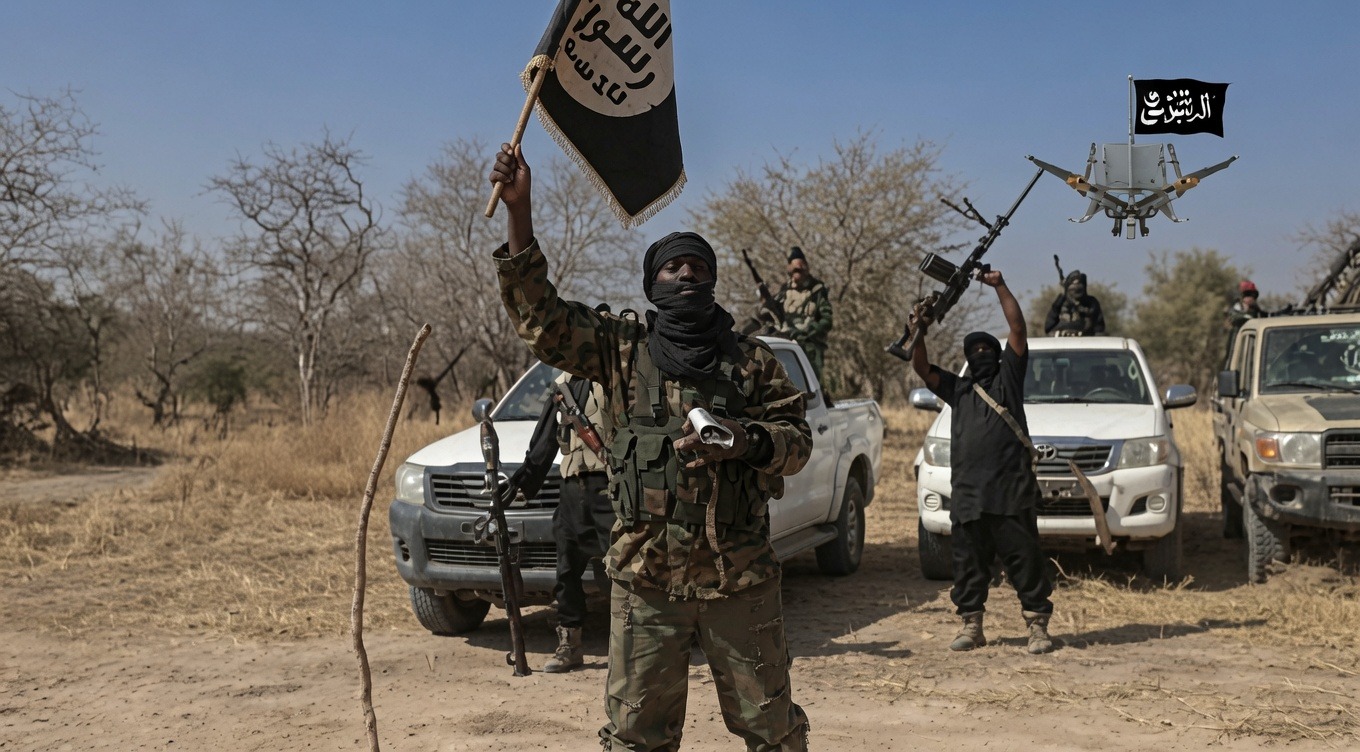
Late that Monday morning, a military convoy carrying elements of Africa Corps — the Russian paramilitary structure that succeeded the Wagner company in the Sahel — was hit in a deadly ambush between the localities of Tiemaba and Wewo, north of the town of Niono in the Ségou region. The incident caused both human and material losses within the Russian contingent.
What set this convoy apart, according to local and security sources, was its almost exclusively Russian composition. That is a departure from the usual pattern on the ground, where Africa Corps units generally operate in tandem with the Malian Armed Forces (FAMA). Observers see in this shift a possible change in deployment tactics — and a factor that may have exposed the convoy to greater risk.
Niono: a long-established jihadist stronghold
The Niono area has for years been identified as a major zone of influence for Katiba Macina, one of the key components of the JNIM, the jihadist alliance affiliated with Al-Qaeda in the Islamic Maghreb (AQMI). The attack therefore fits a pattern of sustained insurgent activity in a region where state authority and its allies have struggled to assert lasting control.
In a statement released shortly after the assault, the JNIM claimed responsibility, saying it had killed or wounded at least seven members of the Russian contingent and seized a significant quantity of military equipment before withdrawing. Several local sources in the region, meanwhile, reported at least four Russian fighters killed in the clashes.
Official silence and competing narratives
Neither the General Staff of the Malian Armed Forces nor Africa Corps officials have published an official toll for this specific incident. The Malian army did communicate the following day about a series of targeted airstrikes in neighbouring areas, notably near Dioura, against identified terrorist positions. That response has done little to quiet the public discussion about what happened and why.
The lack of an official account has fuelled speculation and competing narratives, with some questioning the effectiveness of the Russian deployment and others focusing on the operational choices that led a Russian-only convoy into an area known for militant activity.
What comes next for the Russian presence
The ambush has sharpened a debate that had been simmering for months: what role should Africa Corps play in Mali, and at what cost? Supporters of the Russian presence argue that such setbacks are inevitable in a complex counter-insurgency campaign and that Moscow remains a reliable partner. Critics contend that the attack exposes vulnerabilities in the arrangement and raises questions about the protection of civilians and the long-term strategy in the Sahel.
For the populations around Niono, the immediate concerns are more tangible: security on the roads, the ability to move goods and people, and the fear of further violence. Local trade and daily life have repeatedly been disrupted by militant activity, and many residents worry that the latest ambush could lead to a cycle of reprisals and counter-reprisals.
As the region waits for clarity on the attack and its aftermath, the Niono ambush looks less like an isolated incident and more like a moment that could shape the next phase of the security struggle in central Mali — and the future of Russia’s military footprint in the Sahel.