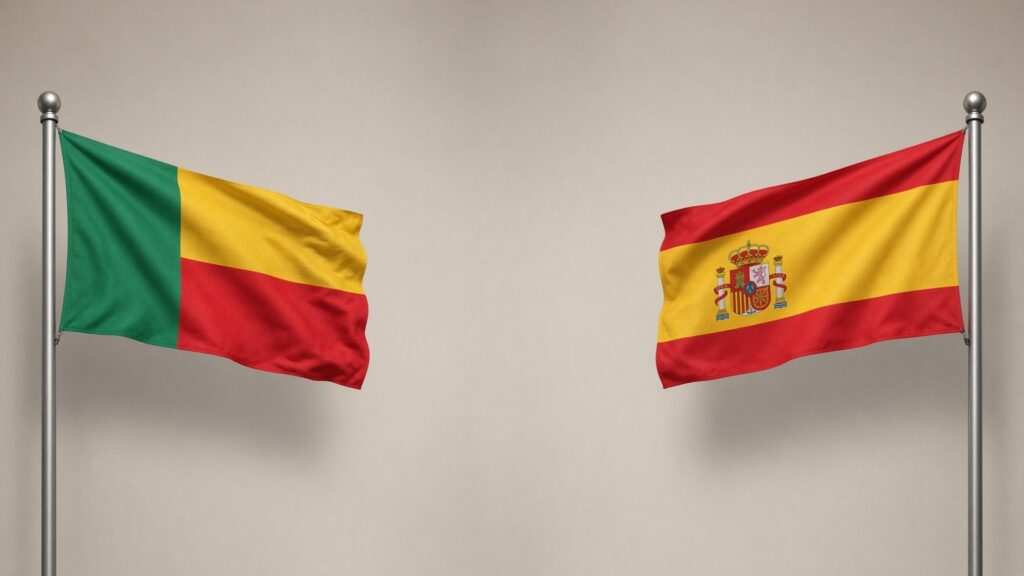
From ceremonial handshakes to cultural powerhouse: the invisible architecture of the Benin–Spain alliance
The renewed momentum between Cotonou and Madrid didn’t happen by chance—it was engineered. Behind the polished communiqués and red-carpet photo opportunities lies a deliberate strategy where art, heritage, and tourism are not just diplomatic window dressing but core pillars of a modern partnership. This alliance reveals how two nations, one West African and one European, are quietly redefining what it means to collaborate in the 21st century, turning cultural assets into tangible geopolitical currency.
What really fuels the Benin–Spain cultural engine—and why it matters
The engine room of this collaboration runs on three coordinated tracks. First, artistic excellence is being elevated through structured residency programs that pair Beninese creators with Spanish mentors in fields ranging from contemporary visual arts to live performance. Second, heritage conservation is receiving a boost from Spanish technical expertise in museum design and restoration, helping Benin protect its vaunted collections of Vodun art while positioning them for global audiences. Third, the creative industries are being professionalized with targeted training in arts management and digital archiving, creating pathways for local talent to compete internationally.
This isn’t just goodwill—it’s a calculated investment in soft power. By positioning itself as a cultural gateway in West Africa, Benin gains strategic leverage in trade, education, and tourism negotiations, while Spain reinforces its foothold in a fast-growing African market hungry for European expertise and investment.
The Beninese model: transforming culture into economic and diplomatic capital
Benin’s cultural diplomacy isn’t new, but its execution is reaching new heights. The government has embedded the arts at the heart of its national development agenda, viewing museums, festivals, and artist residencies not as cultural amenities but as strategic infrastructure. This approach is turning Cotonou into a regional hub for creative professionals, attracting international festivals, curators, and investors who see the country as a stable, culturally rich partner in a volatile subregion.
Spain, long a global leader in cultural tourism and heritage management, brings something equally valuable: a brand of soft power recognized worldwide. By aligning with Benin’s vision, Madrid gains a West African ally that amplifies its cultural influence across francophone and anglophone Africa, diversifying its diplomatic footprint in a continent where France and China dominate traditional alliances.
Real outcomes: when art shapes trade, tourism, and influence
The collaboration is already producing measurable results. Beninese artworks are touring major Spanish cities, drawing record attendance and generating revenue for local galleries and craftsmen. Spanish companies specializing in cultural tourism have signed memoranda to co-develop heritage routes linking Ouidah’s slave trade sites with Porto Novo’s colonial archives, creating new income streams for guides, restaurateurs, and boutique hotels. Meanwhile, joint training academies are equipping a new generation of Beninese curators, scenographers, and digital content creators, positioning the country as a creative exporter rather than an importer of cultural services.
From a geopolitical standpoint, this alliance disrupts the usual power dynamics. In a region where cultural influence often follows military or economic dominance, Benin and Spain are proving that mutual respect, shared ambition, and a focus on human capital can build a partnership that outlasts political cycles and economic downturns. The message is clear: culture isn’t the frill of diplomacy—it’s its foundation.
The hidden cost—and who’s really benefiting
Of course, such a partnership doesn’t come without challenges. Preserving Benin’s sacred heritage while commercializing it risks alienating local communities wary of exploitation. Meanwhile, Spanish firms entering the market must navigate unfamiliar regulatory landscapes and cultural sensitivities, requiring patience and local partnerships to succeed. Yet these tensions are precisely what make the alliance so instructive—it forces both sides to confront their assumptions, adapt their practices, and build trust over time.
What’s next: building a partnership that lasts beyond the headlines
Looking ahead, the agenda is ambitious. A joint heritage conservation fund is in development, aimed at restoring religious and royal sites across both countries. Digital twinning of key museums will allow global audiences to explore Benin’s collections without leaving home, while reciprocal artist exchange programs will send Spanish creators to Benin’s vibrant art scene and vice versa. The ultimate test will be whether this partnership can evolve from a bilateral success story into a template for intercontinental collaboration—one where art, not aid, is the currency of influence.



More Stories
Niger’s junta under siege: how the 29 August coup attempt reshaped power dynamics
Niger’s 1.8 billion FCFA monthly fund: the silent power play reshaping the junta’s rule
Behind Mali’s media reforms: how a decade of infighting set the stage for forced change