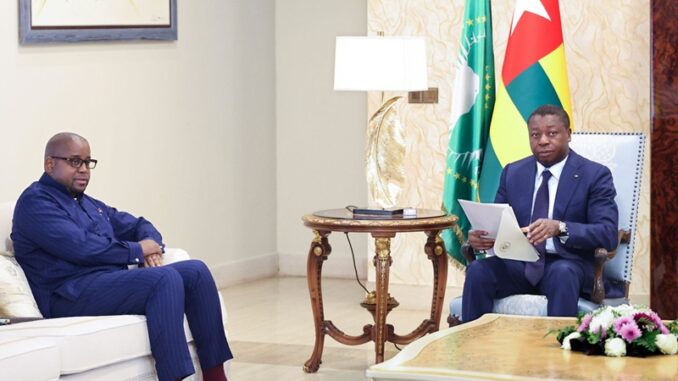
Public reactions are intensifying following Félix-Antoine Tshisekedi Tshilombo’s latest written communication to Faure Essozimna Gnassingbé, the African Union’s peace envoy in the Eastern Democratic Republic of the Congo (DRC). The Congolese head of state has renewed diplomatic pressure on the Togo-led mediation effort, prompting fresh speculation about the viability of peace initiatives in a region plagued by recurrent unrest since late 2021.
The latest development comes as Gnassingbé, who took over the AU mediation role from his Angolan counterpart in April 2025, faces mounting expectations to deliver tangible results. The renewed engagement follows months of stalled progress despite parallel diplomatic processes in Doha and Washington, where Qatar and the United States have also attempted to broker solutions in the volatile Great Lakes region.
What the new letter changes for regional stakeholders
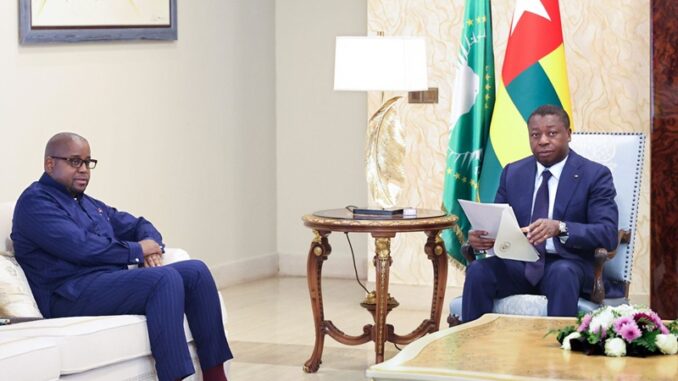
According to Floribert Anzuluni, Congo’s Minister of Regional Integration, the written message conveyed during Tuesday’s meeting in Lomé focused exclusively on “the peace process in the Eastern DRC,” where Gnassingbé continues to serve as AU mediator. The Congolese delegation also updated the Togolese president on “advances in demobilization efforts aimed at consolidating peace” in the troubled eastern provinces.
While the specifics of Tshisekedi’s correspondence remain undisclosed, the gesture signals a strategic recalibration rather than a fundamental policy shift. Observers note that the timing suggests an attempt to reinvigorate the AU-led framework amid growing skepticism about its effectiveness in addressing the region’s complex security challenges.
Public debate: can diplomatic fatigue be overcome?
Reactions to Tshisekedi’s renewed approach have been sharply divided. Some analysts argue that the move demonstrates a commitment to multilateral solutions, while critics question whether repeated interventions risk diluting accountability among regional actors. The debate has reignited discussions about the sustainability of peace processes that have failed to deliver lasting stability despite multiple international mediation attempts.
Civil society groups in the DRC’s eastern provinces have expressed cautious optimism, emphasizing that any progress—even incremental—could alleviate pressures on displaced communities. “After years of broken promises, any signal of renewed engagement deserves serious consideration,” stated a local peacebuilding coordinator who requested anonymity due to security concerns.
Key challenges facing the AU mediation
- Sustainable ceasefire implementation: Previous agreements have collapsed under renewed violence, raising doubts about the feasibility of long-term truces.
- Coordination with parallel initiatives: The coexistence of Doha and Washington-mediated talks complicates efforts to present a unified front.
- Regional buy-in: Skepticism persists among neighboring countries about the efficacy of AU-led processes in resolving local conflicts.
What happens next?
Gnassingbé’s office has not indicated whether the latest developments will lead to concrete steps, such as expanded negotiations or revised timelines. However, the renewed Congolese outreach suggests that the DRC government is prioritizing diplomatic avenues over military solutions.
The next phase of the mediation remains uncertain, with stakeholders awaiting clarity on whether Tshisekedi’s message will translate into actionable commitments. For now, the region holds its breath as the AU mediator navigates a landscape fraught with distrust and unmet expectations.