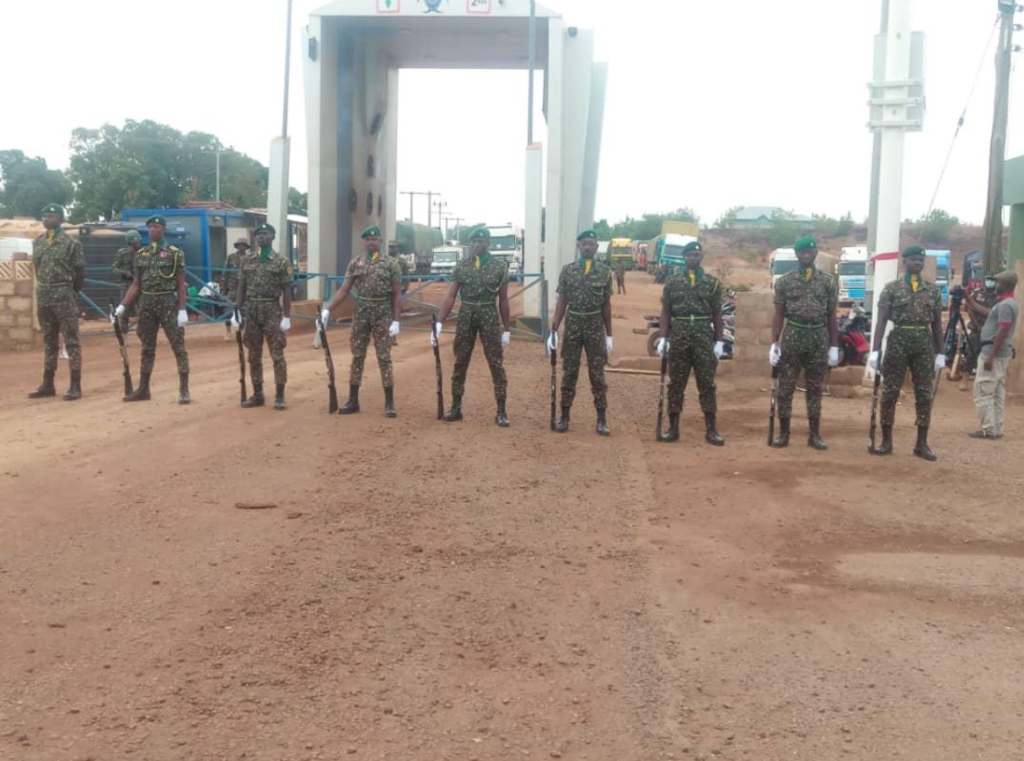
From interception to tragedy: the deadly sequence in Hamile
The tranquility of Hamile, a border town in Ghana’s Upper West Region, was shattered when a tricycle loaded with suspected explosives detonated during a security operation. The blast on Tuesday, November 3, 2026, claimed multiple lives, including that of a Ghanaian immigration officer, and left another security personnel critically injured. What began as a routine interception spiraled into a preventable disaster, exposing critical gaps in border security enforcement and the dangers posed by unregulated movement of hazardous materials.
Breaking point: why the Hamile explosion demands urgent action
This incident is not just a local tragedy — it’s a turning point. Hamile sits astride a fragile frontier where porous borders intersect with a volatile regional security landscape. The tricycle’s refusal to halt at a security checkpoint triggered a pursuit that culminated in the explosion. While motives remain under investigation, the incident underlines a harsh truth: unchecked movement of people and goods — especially volatile commodities — in sensitive border zones carries fatal consequences.
Amid conflicting accounts, one fact remains clear: the explosion was preventable. The failure to enforce compliance, along with the use of unauthorised routes, created a lethal combination. This tragedy forces Ghana’s security apparatus to confront a growing crisis — one where inaction is no longer an option.
Hamile: Ghana’s frontline in a high-stakes regional struggle
Nestled in the Upper West Region, Hamile is more than a border crossing. It’s a vital crossroads for trade and daily exchange between communities sharing ties across Ghana and Burkina Faso. But with regional instability intensifying, this once-bustling corridor now sits under threat. Neighboring Burkina Faso has faced relentless attacks by armed groups, displacing thousands and straining cross-border relationships.
For Ghana, Hamile is no longer just a border town — it’s a security flashpoint. The government has steadily bolstered patrols, intelligence sharing, and public awareness campaigns in northern regions. Yet, the Hamile blast reveals the limits of reactive measures when porous routes and informal networks remain unchallenged.
The role of unauthorised routes and dangerous cargo
Although full details are pending, preliminary accounts suggest the tricycle was traveling a non-designated path when intercepted. Such routes bypass official checkpoints, evading detection of illicit goods — including explosives. The absence of standardised monitoring on alternate paths not only enables smuggling but also places security personnel at grave risk during pursuit operations.
The incident underscores a painful reality: in border zones like Hamile, every unchecked vehicle could carry more than goods — it could carry death.
Facing the reality: Ghana’s border security dilemma
The Hamile explosion isn’t an isolated case. It reflects a broader pattern: as regional threats escalate, so do the stakes at Ghana’s northern borders. While no credible link to armed groups has been confirmed, the potential for such threats to exploit weak border controls cannot be ignored. The use of explosives — even in non-terror contexts — signals a dangerous escalation in smuggling networks’ capabilities.
Ghana’s challenge is twofold. First, it must tighten physical and intelligence-based monitoring of border areas. Second, it must balance security with the socioeconomic realities of communities dependent on cross-border trade. Turning a blind eye to informal routes fuels instability; over-policing risks alienating local populations. The path forward requires collaboration: community engagement, intelligence-driven patrols, and coordinated action with neighboring states.
What’s next: accountability, prevention, and lasting change
An official inquiry is underway to determine the exact causes of the explosion, the origin of the explosives, and the chain of command during the pursuit. Until then, speculation must yield to facts. Authorities face a dual task: delivering justice for the fallen and preventing future tragedies.
Beyond the investigation, systemic reforms are urgently needed:
- Strengthen checkpoint protocols: ensure all border entry points — official and informal — are monitored with consistent screening for hazardous materials.
- Enhance intelligence sharing: deploy real-time communication between security agencies to track suspect movements before they escalate.
- Community partnerships: involve local leaders and traders in designing safer, regulated routes that reduce reliance on unauthorised paths.
- Crisis training: ensure all border security personnel are equipped to handle pursuits involving hazardous cargo without endangering lives.
The Hamile blast must serve as a wake-up call. In a region where security vacuums breed instability, Ghana cannot afford passive vigilance. The time for decisive action is now — not after the next tragedy.
Beyond the blast: rebuilding trust in Ghana’s border future
The road ahead is clear, but not easy. Ghana’s northern borders are not just lines on a map — they are arteries of connection and potential conduits of chaos. The Hamile explosion has exposed vulnerabilities that demand more than temporary fixes. It calls for a transformation: one where security is proactive, communities are partners, and every life lost is a lesson learned.
As the inquiry unfolds and security measures evolve, one question lingers: will this turning point lead to lasting change — or fade into memory as another unheeded warning?