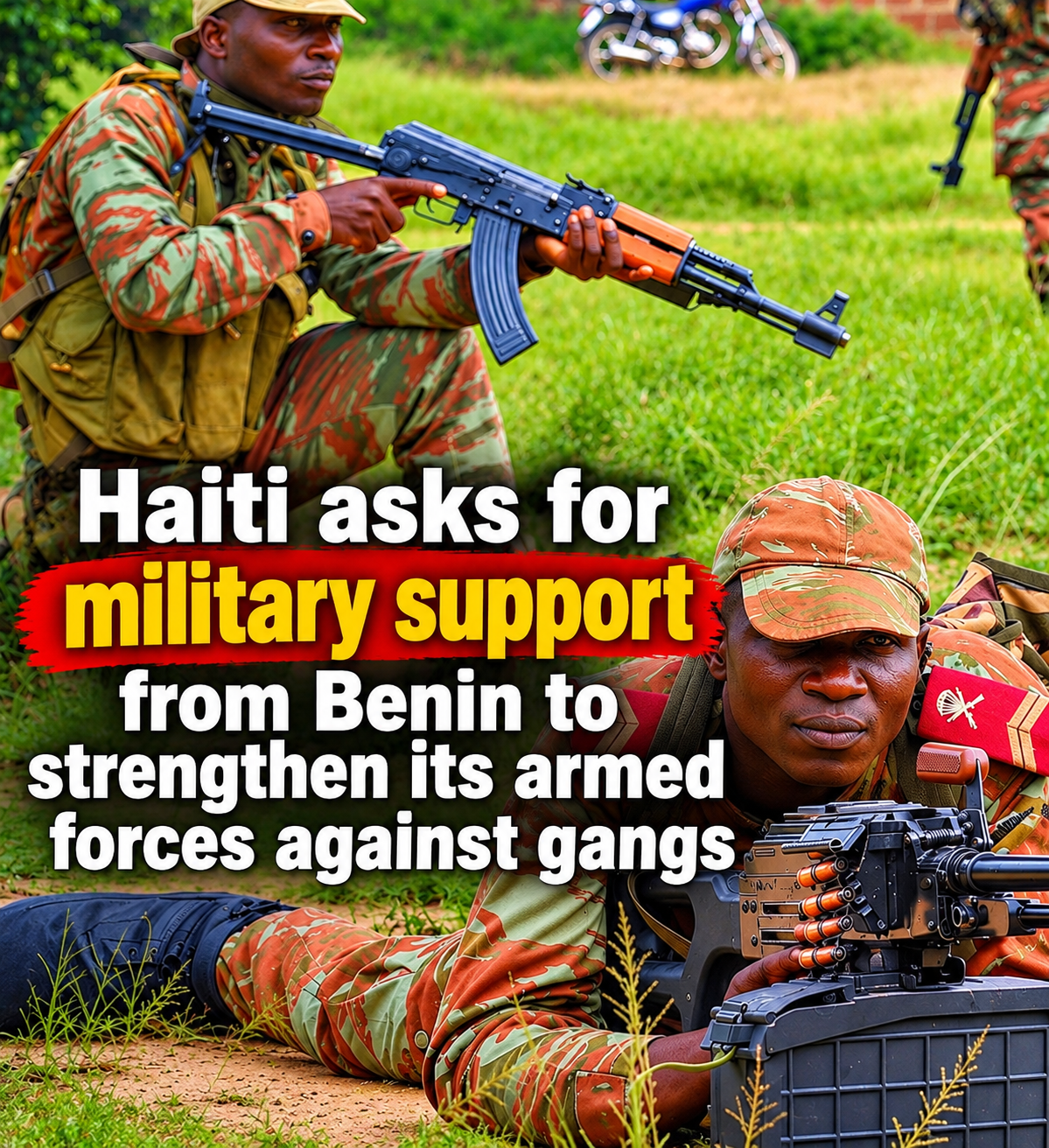
As armed gangs consolidate their control across critical regions of Haiti, Port-au-Prince is making a decisive shift in its security strategy. The Haitian government is now prioritizing cooperation with Benin to bolster its military capabilities, recognizing the West African nation’s proven experience in countering asymmetric threats. This pivotal move underscores the growing importance of South-South military partnerships in addressing complex security crises.
Port-au-Prince’s security crisis demands innovative solutions
The escalating influence of armed gangs in Haiti has created an unprecedented security challenge. These criminal networks have disrupted essential services, crippled economic activity, and eroded public trust in institutions. In response, Haitian authorities have identified military training and operational capacity building as critical components of their stabilization efforts.
Benin’s battle-tested experience becomes Haiti’s new security asset
Benin’s selection as a strategic partner reflects its successful track record in combating regional insecurity. The West African nation has developed specialized expertise in counter-insurgency operations and urban security scenarios exactly the challenges Haiti currently faces. This cooperation initiative was formally discussed during high-level military consultations in Cotonou this past November.
What makes this partnership particularly valuable is Benin’s firsthand experience with asymmetric warfare. While Haiti’s gang violence presents unique characteristics, the underlying operational challenges share striking similarities with Benin’s northern border security operations.
Training as the cornerstone of military transformation
The proposed cooperation focuses on three key areas of military capacity building:
Operational preparedness: Enhancing soldiers’ readiness through scenario-based training exercises
Institutional coordination: Improving command structures and inter-agency collaboration
Civil protection protocols: Strengthening measures to safeguard civilian populations during operations
From knowledge sharing to practical implementation
This military partnership represents more than just theoretical discussions it signals Port-au-Prince’s commitment to tangible solutions. The training programs will be specifically tailored to Haiti’s urban security environment, where gang networks operate with near-impunity across densely populated areas.
For this initiative to succeed, Haitian military leadership must prioritize:
Identification of specific capability gaps requiring immediate attention
Development of measurable performance benchmarks for training outcomes
Establishment of clear coordination mechanisms between Beninese advisors and Haitian units
The broader implications for South-South security cooperation
Haiti’s decision to look beyond traditional military partnerships demonstrates the growing maturity of South-South cooperation. Rather than relying solely on Western security assistance, Port-au-Prince is tapping into the operational insights of a nation that has successfully navigated similar challenges. This approach may well set a precedent for future crisis response strategies across the Global South.
The Benin-Haiti military cooperation also highlights the evolving nature of modern security partnerships. As nations face increasingly complex threats, the exchange of operational knowledge and tactical expertise often proves more valuable than conventional military support.
Measuring success through concrete outcomes
While the initial consultations mark an important first step, the true test of this partnership will be measured in operational results. The coming months will reveal whether this cooperation:
Improves the tactical readiness of Haitian security forces
Enhances coordination between military and civilian authorities
Contributes to measurable improvements in urban security scenarios
For Haitian authorities, this strategic pivot represents more than just a temporary solution it’s part of a long-term vision to reclaim control from armed groups and restore public confidence in state institutions.
By Ramatou Soumana — Journalist