Budget vote delivers sharp blow to government amid growing institutional divide
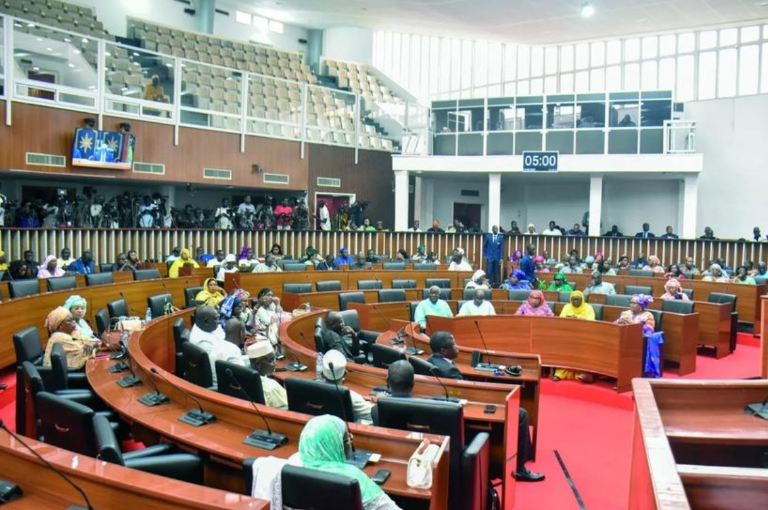
Senegal has reached a decisive political inflection point. On November 3, 2026, the National Assembly delivered a historic rejection of the 2026 supplementary budget bill, handing President Bassirou Diomaye Faye’s administration its most significant legislative setback yet. The crushing 109-20 vote margin—with three abstentions—sent a clear signal that the government can no longer take parliamentary support for granted, even on economic priorities.
From shared movement to institutional rupture
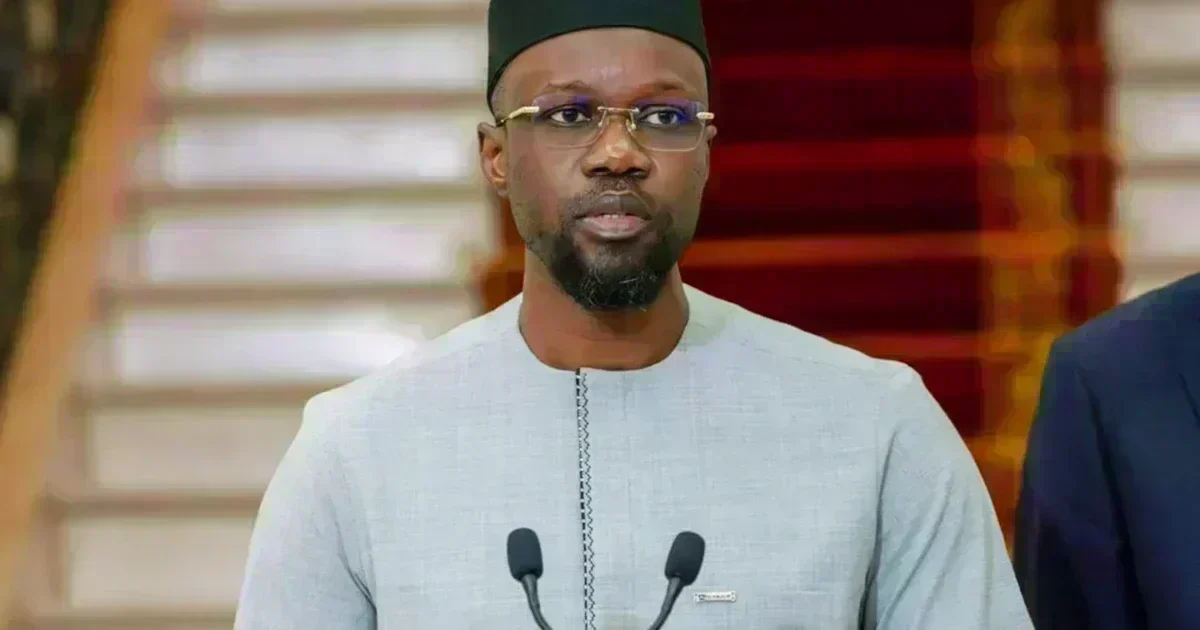
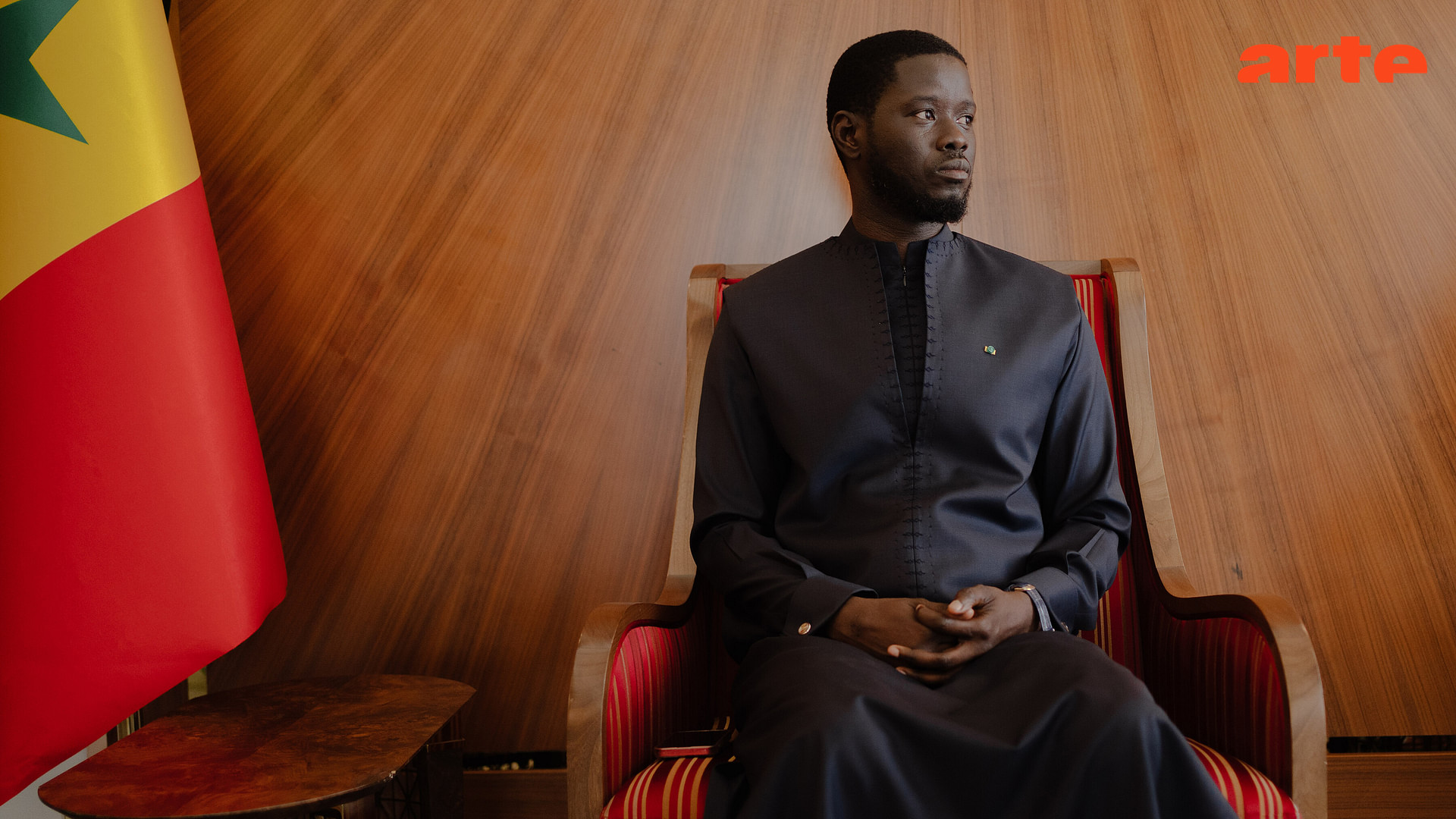
The collapse of executive-legislative harmony traces back to fundamental shifts in the political landscape. Though President Faye and National Assembly President Ousmane Sonko once stood side by side as leaders of the same movement, their paths have dramatically diverged since Sonko’s departure from the premiership in May 2026.
Sonko’s Pastef party still commands a dominant parliamentary majority, but the bloc now operates as an independent political force rather than a governing partner. This metamorphosis has created an unprecedented dynamic: a government led by an administration that no longer enjoys automatic parliamentary backing, even on critical financial matters.
Key contradictions driving the fiscal confrontation
Shifting budget assumptions spark parliamentary scrutiny
The supplementary budget proposal projected revenues of 5,848.7 billion CFA francs—down from the original 6,188.8 billion target—while expenditures ballooned to 7,583.9 billion. The resulting budget deficit swelled to 7.6% of GDP from the previously planned 5.4%.
Contested priorities and transparency demands
Finance Minister Cheikh Diba’s team argues that the adjustments respond to pressing economic realities, while Pastef legislators counter that vital investment funds have been slashed by 555 billion CFA francs. The parliamentary bloc has insisted on enhanced transparency regarding subsidy allocations, family security grants, and priority sector funding.
The Finance Ministry maintains it has provided all requested documentation, including in a late-October statement that lamented the commission-level rejection. Yet the impasse underscores a deeper disagreement over fiscal governance and institutional accountability.
Economic fallout threatens external engagement
The budget deadlock arrives at a perilous moment for Senegal’s international financial standing. Ongoing negotiations with the International Monetary Fund hinge partly on the government’s ability to demonstrate fiscal credibility through an approved budget framework.
A sustained inability to pass essential financial legislation could jeopardize pending financing arrangements, delay donor disbursements, and intensify pressure on public sector liquidity. Government obligations to contractors, suppliers, and strategic sectors may face mounting delays, risking broader economic destabilization.
Coexistence without consensus: a new political paradigm
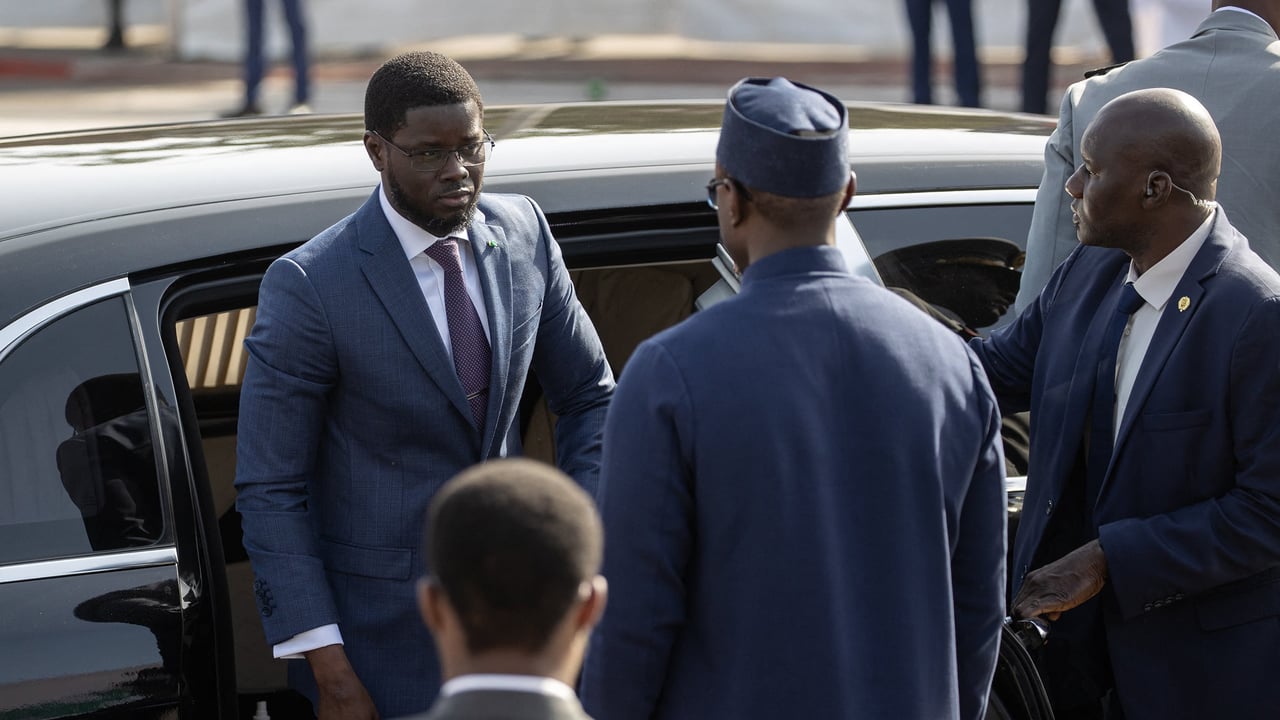
Senegal now navigates an institutional gray zone that mirrors formal cohabitation without meeting its legal definition. President Faye retains full executive authority, yet confronts a parliamentary majority that refuses automatic support for his agenda.
The November 3 vote forces a pivotal question: how far can this confrontation escalate before institutional functionality itself becomes compromised? With no negotiated resolution in sight, the administration faces mounting pressure to restore fiscal credibility, while Pastef legislators appear determined to assert their oversight prerogatives.
The budget rejection thus signals more than a temporary legislative setback—it marks the formal emergence of a new political order. At its core, the conflict crystallizes the evolving balance of power between Bassirou Diomaye Faye and Ousmane Sonko, reshaping the very foundations of Senegal’s institutional landscape.