Is Senegal sliding toward political and social turmoil?
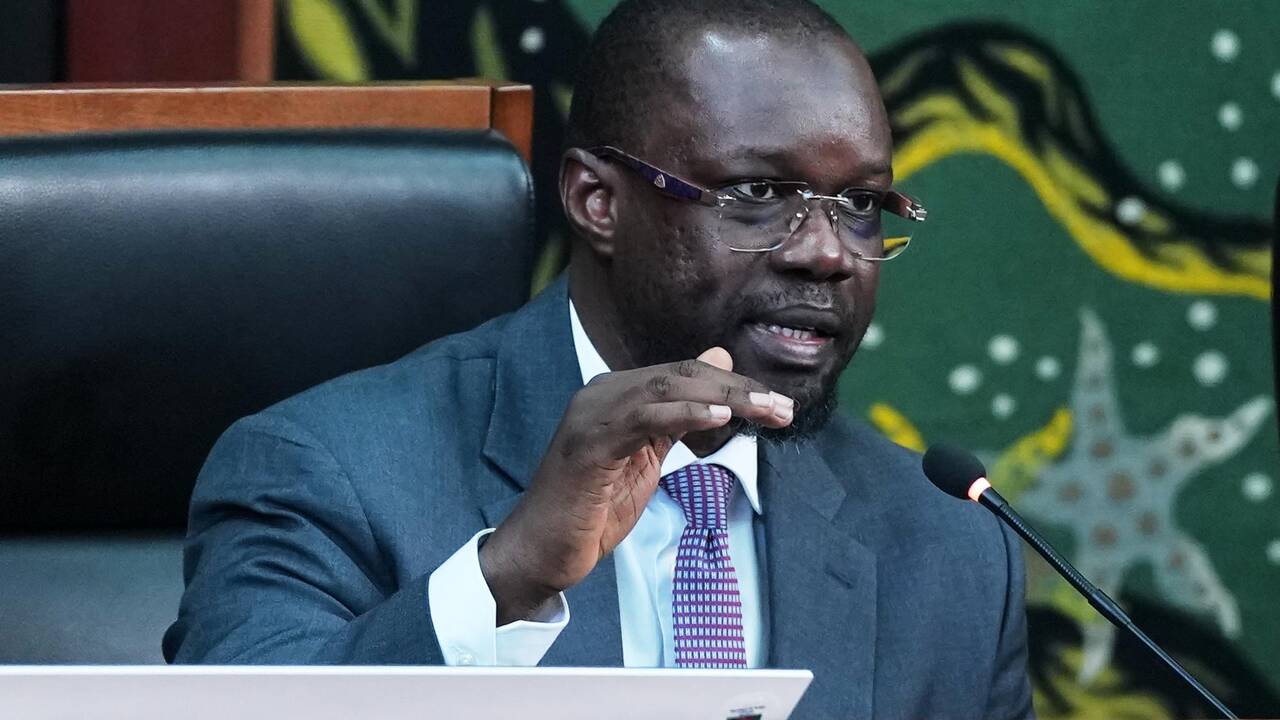
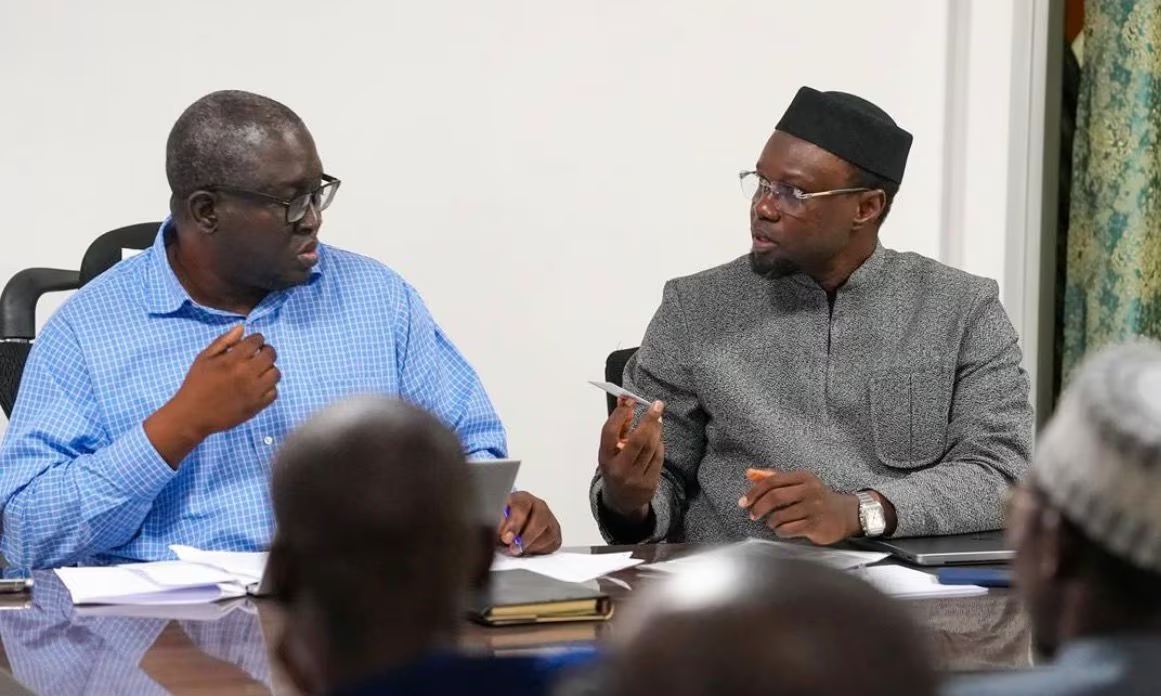
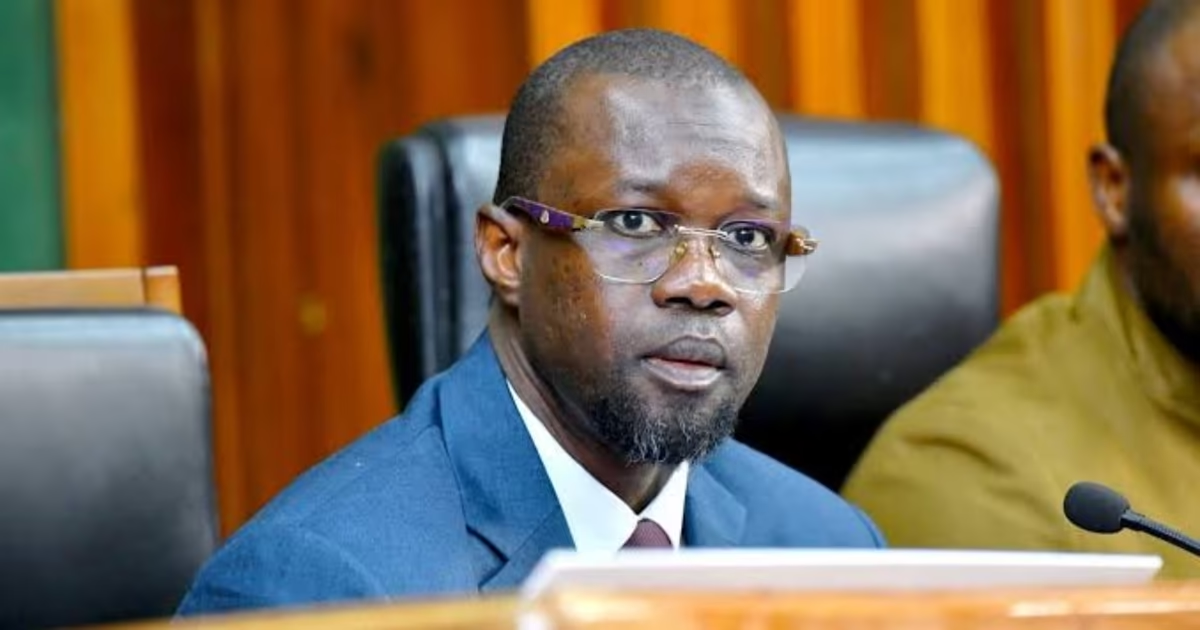
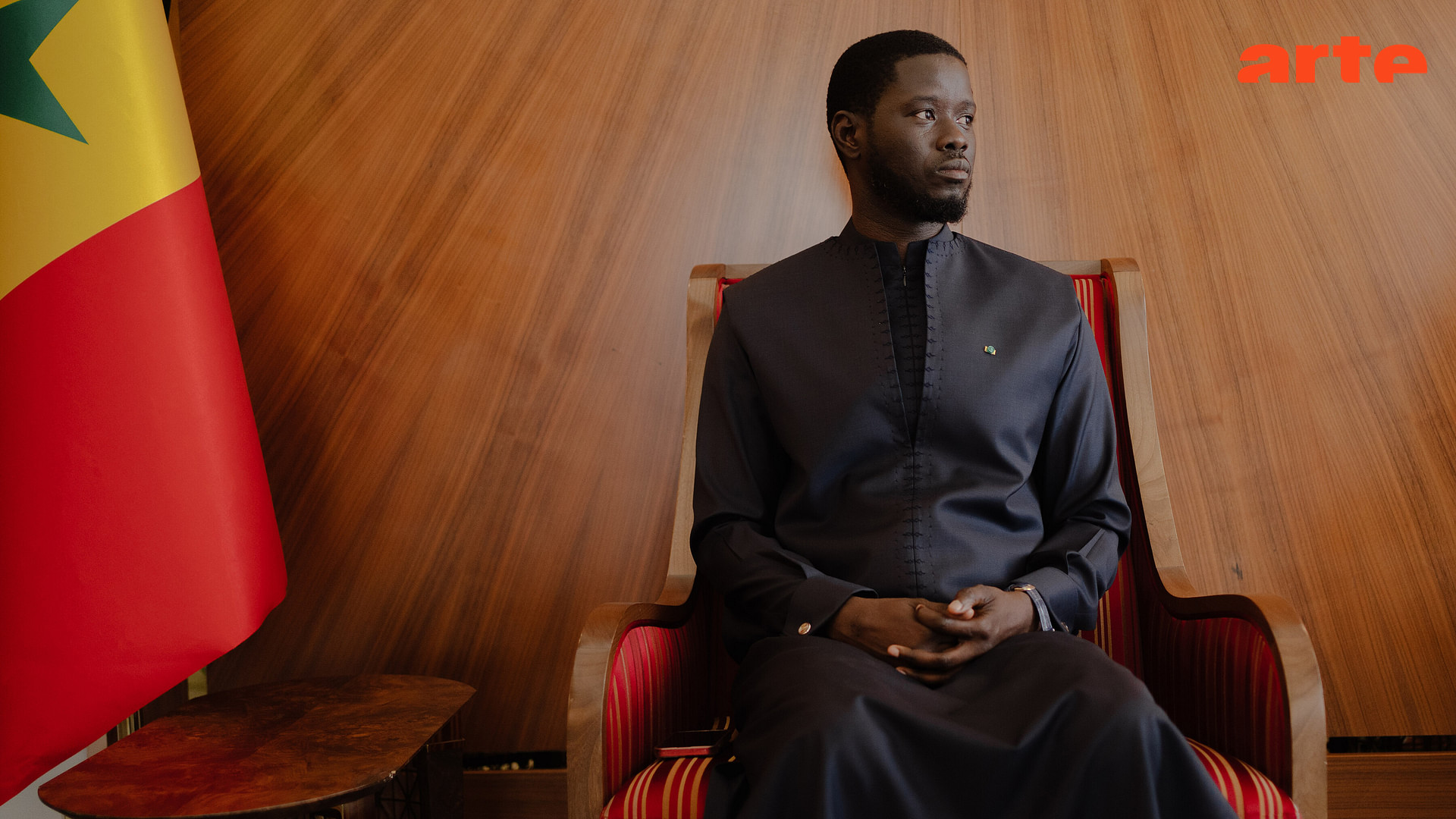
The nation of Senegal now stands at a critical juncture, as political and social tensions escalate under mounting pressure. The president, Bassirou Diomaye Faye, has taken decisive action by dismissing his former prime minister and longtime ally, Ousmane Sonko, in a move that has sent shockwaves through the political landscape. Barely days later, Sonko secured a prominent position as Speaker of the National Assembly on May 26, 2026.
Compounding the crisis, a controversial law passed in March 2026 has significantly tightened restrictions on homosexuality, sparking fierce debate and raising concerns about human rights and societal cohesion. The combination of political upheaval and legislative controversy has left many questioning whether Senegal is on the brink of deeper instability.
Political earthquake: president and former ally in direct confrontation
The abrupt dismissal of Ousmane Sonko, once the president’s closest collaborator in the struggle for change, has exposed deep fractures within the ruling coalition. The decision, announced on May 22, 2026, followed a period of intense internal disagreements and has left analysts scrambling to interpret the president’s strategy. Few expected such a dramatic shift so early in the administration’s term.
The immediate appointment of Sonko as Speaker of the National Assembly—just four days after his removal—signals a bold and potentially destabilizing power play. The move has intensified speculation about a broader realignment within the political elite and raised fears of a prolonged institutional crisis.
Societal tensions: new anti-homosexuality law sparks outrage
In a separate but equally volatile development, the National Assembly adopted legislation in March 2026 that significantly broadens the criminalization of same-sex relations. While the government has framed the law as a defense of traditional values, critics argue that it represents a dangerous regression in human rights and could further polarize society.
The timing of the law’s passage—amid a climate of political uncertainty—has only deepened public anxiety. Human rights organizations have condemned the measure, warning of increased discrimination and social unrest. The debate over the law has become a flashpoint, drawing international attention and raising questions about Senegal’s commitment to democratic principles and inclusivity.
What lies ahead for Senegal?
The coming weeks will be pivotal in determining whether the country can navigate these dual crises without tipping into prolonged conflict. The political standoff between the president and his former ally shows no signs of resolution, while the anti-homosexuality law continues to divide opinion across the nation.
With both the presidency and the legislature now in uncharted territory, the stability of Senegal hangs in the balance. The decisions made in the coming days could either restore confidence or plunge the nation into deeper turmoil.