challenging Ousmane Sonko: a risky move in Senegal’s political landscape
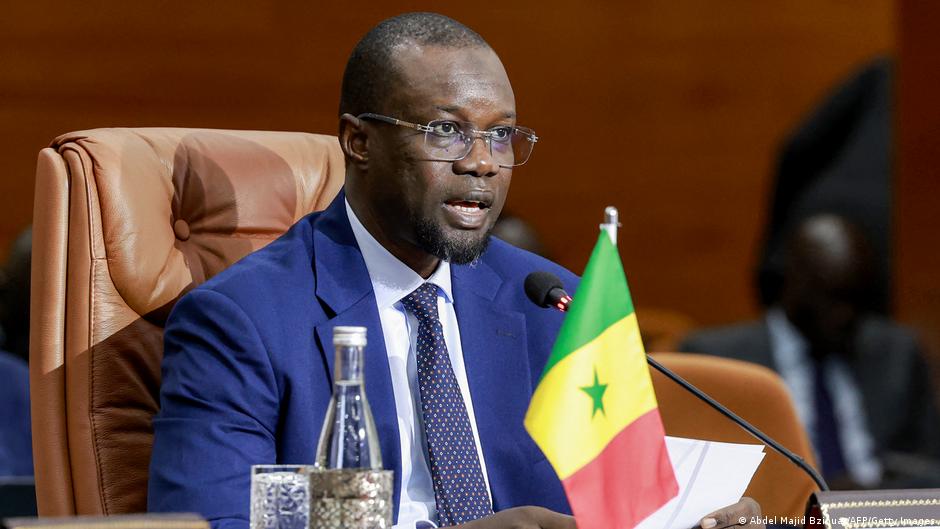
In Senegal, voicing criticism against Ousmane Sonko, the influential leader of the ruling Pastef party and newly appointed President of the National Assembly, has become a high-stakes endeavor. The climate of open debate, essential for any democracy, is increasingly overshadowed by a palpable sense of intimidation. Civil society leaders and journalists alike have raised alarms about the growing atmosphere of hostility that now permeates political discourse in the country.
Critics of Sonko often face relentless smear campaigns on social media, orchestrated by his most ardent supporters. This digital harassment has led many to self-censor, fearing both online backlash and potential physical repercussions. The situation has raised serious concerns about the erosion of free expression in Senegal.
The tension escalated further in early April 2024 when Sonko, then Prime Minister, delivered a stark warning to the media:
“We will no longer allow media outlets to write whatever they wish about individuals under the guise of press freedom, without verifiable sources.”
undermining judicial independence
Sonko has also been a vocal critic of Senegal’s judiciary, repeatedly questioning its integrity. In November 2025, during a public address, he accused certain magistrates of obstructing financial investigations, perpetuating what he described as the ‘system’ he has long opposed. These remarks sparked outrage among legal professionals, who view them as an attempt to undermine judicial independence.
setbacks for women’s rights in Senegal
The political climate under Sonko has also drawn criticism from women’s rights advocates. Ossama Monique Sagna, a prominent Senegalese feminist activist, points to several areas where progress has stalled or regressed. Despite a parity law enacted in 2010, its implementation remains largely symbolic. Sagna notes a decline in female representation in government, with the current administration having fewer women in ministerial positions than its predecessor under former President Macky Sall.
While Macky Sall’s final cabinet included seven women, Sonko’s administration, before the recent reshuffle, had only four, representing roughly 13% of the total. This reduction has sparked widespread disappointment and debate about the government’s commitment to gender equality.
Sagna further highlights that key feminist demands remain unaddressed:
“Structural progress has been minimal. We continue to call for reforms in the Family Code, which still contains discriminatory provisions against women. The effective implementation of the Maputo Protocol, particularly regarding reproductive rights and protection against gender-based violence, remains a distant goal. Feminicides and gender-based violence are on the rise, with 18 cases reported in 2025 alone. Yet, there is a noticeable lack of strong institutional response to these crises.”