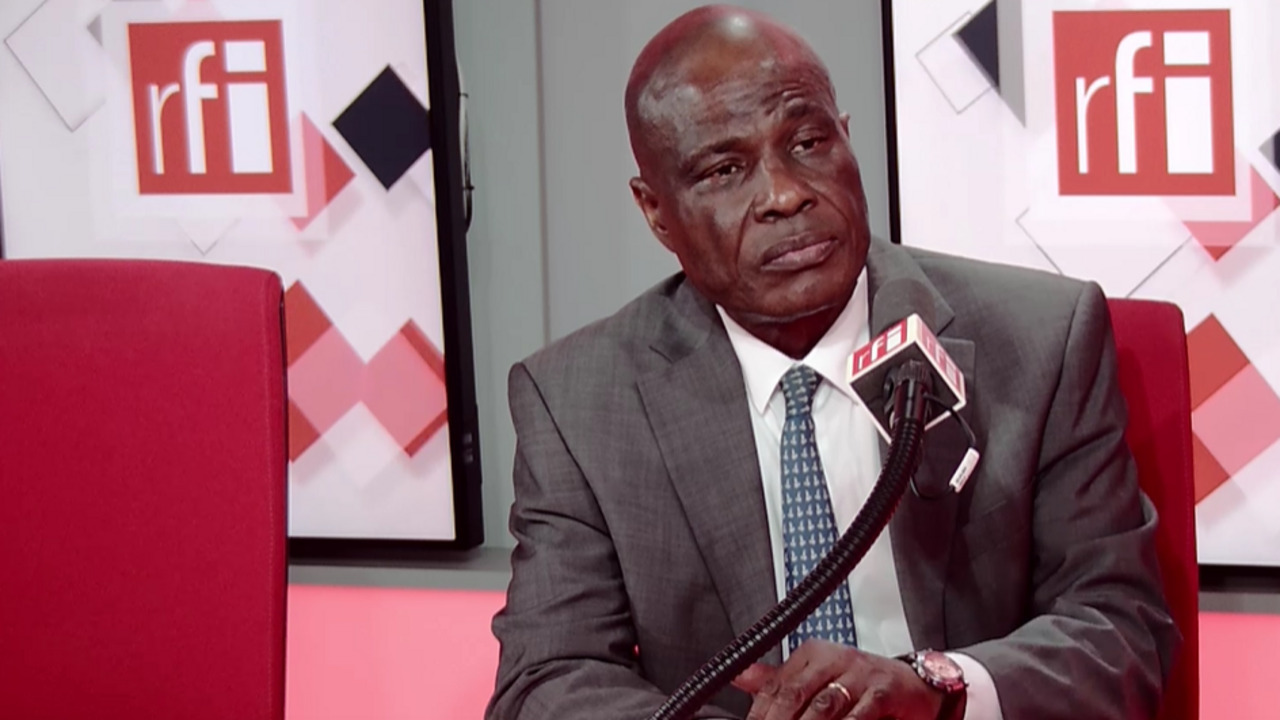
Kinshasa, Democratic Republic of Congo — The simmering political crisis in the Democratic Republic of Congo has reached a critical juncture, with the opposition-led Coalition Article 64 (C64) intensifying its pushback against President Félix Tshisekedi and former leader Joseph Kabila. Martin Fayulu, President of the Engagement Citoyen pour la Démocratie (ECiDé) and a prominent C64 figure, has escalated his criticism, framing the government’s moves as a deliberate effort to undermine democratic freedoms. His remarks come amid mounting public skepticism over the president’s proposed national dialogue, which opponents describe as a facade masking deeper authoritarian tendencies.
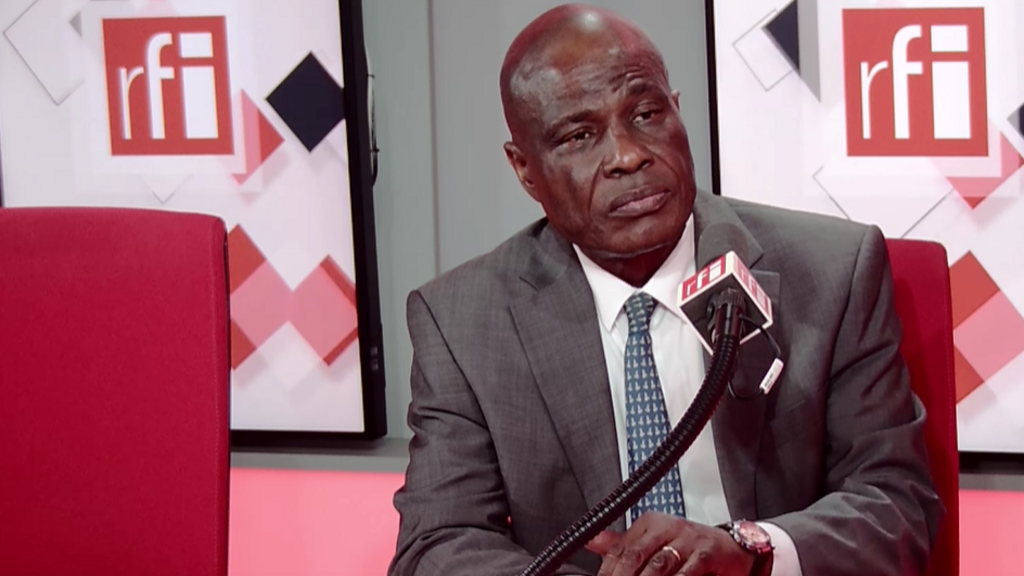
What the opposition demands: concrete guarantees and a level playing field
Martin Fayulu’s latest statements underscore a growing divide between Congo’s political class and its civil society. The C64 coalition, a unified front of opposition parties resisting constitutional manipulation and armed power grabs, has outlined a series of non-negotiable demands. Chief among them is the immediate release of Prince Epenge, an opposition activist whose arrest has drawn sharp condemnation from human rights groups. Fayulu argues that such detentions are not isolated incidents but part of a systematic campaign to silence dissent and restrict political participation.
- End to arbitrary arrests: The opposition insists on the immediate release of all detained political figures and an end to harassment of activists.
- Inclusive dialogue process: C64 rejects the current format, calling for a transparent, internationally mediated dialogue that includes all stakeholders—not just those aligned with the ruling dispensation.
- Respect for constitutional rights: Fayulu emphasizes that any push to amend the constitution or extend presidential terms must be abandoned, warning of catastrophic consequences for regional stability.
Europe’s role in Congo’s political future: seeking international support or interference?
Congo’s opposition is not acting in isolation. Martin Fayulu and other C64 leaders have embarked on a diplomatic tour across Europe, appealing to Western governments to support their demands for democratic accountability. The coalition seeks not just moral support but tangible pressure on Kinshasa to adhere to democratic norms. This includes sanctions against officials implicated in human rights abuses and a firm stance against any constitutional tampering that could prolong President Tshisekedi’s rule beyond constitutional limits.
Fayulu’s warnings are stark: without robust international engagement, Congo risks sliding into deeper instability, with spillover effects across Central Africa. His message to Europe is clear—silence is complicity. The continent’s historical ties to Congo demand a proactive role in safeguarding the country’s democratic future.
From condemnation to action: what comes next for Congo’s opposition?
The current phase of confrontation lies between rhetoric and realpolitik. While Fayulu’s condemnations resonate with domestic and international audiences, the opposition must now translate its demands into actionable strategies. This includes:
- Coordinated protests: Mobilizing public support through sustained demonstrations and grassroots campaigns.
- Legal challenges: Pursuing cases at regional courts, such as the African Court of Human and Peoples’ Rights, to challenge unconstitutional practices.
- Unified opposition messaging: Ensuring that all C64 member parties speak with one voice to maximize political impact and prevent fragmentation.
The coming weeks will be critical. Will President Tshisekedi’s proposed dialogue yield tangible concessions, or will it be dismissed as a delaying tactic? Martin Fayulu’s firm stance suggests the latter. For Congo’s opposition, the stakes could not be higher—democracy, stability, and the country’s future hang in the balance.
A turning point for Central Africa
The fallout from Congo’s political crisis extends far beyond its borders. As a regional powerhouse, Congo’s trajectory influences neighboring countries grappling with similar challenges. The international community’s response—or lack thereof—will set a precedent for how democratic backsliding is addressed in Africa. Fayulu’s calls for action reflect not just a national struggle but a continental one, with implications for governance, human rights, and regional peace.