Gabon strengthens economic diplomacy for sustainable growth
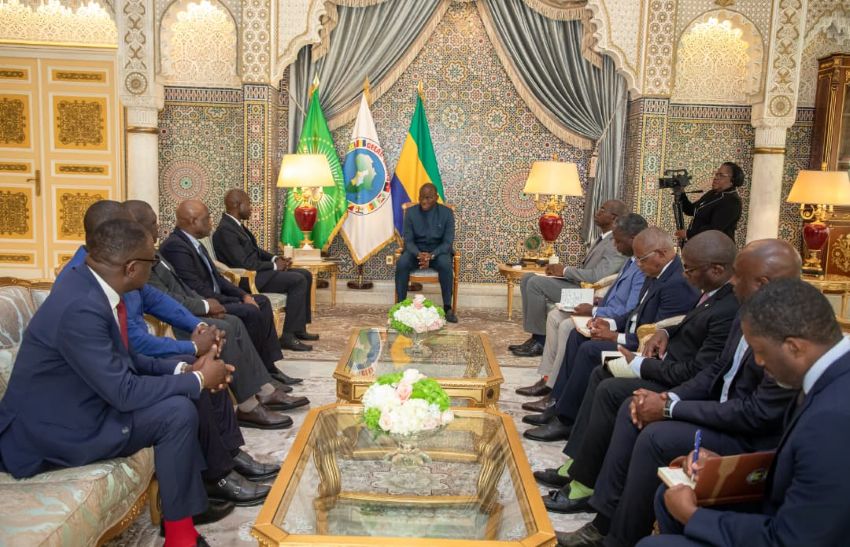
Libreville, Gabon – President Brice Clotaire Oligui Nguema is actively shaping a robust economic strategy, focusing on housing, infrastructure, African finance, and private investment. This initiative aims to foster enduring economic transformation in Gabon through strategic alliances between African capital and international partners.
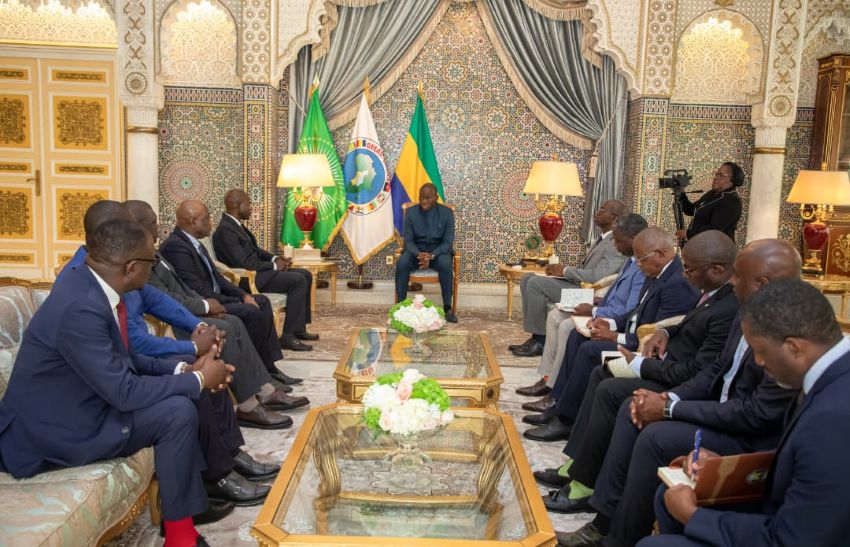
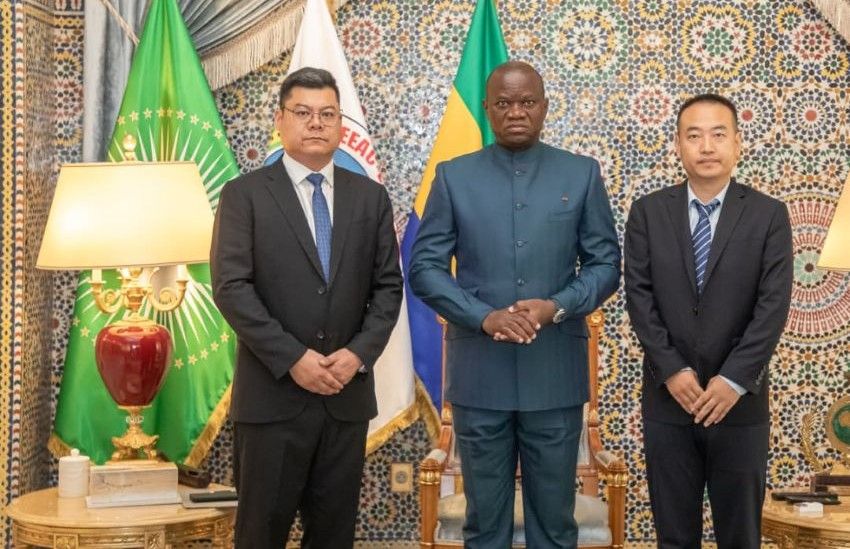
At a time when numerous African nations are striving to balance economic growth, social inclusion, and national sovereignty, Gabon is taking decisive steps across multiple sectors. Recent high-level meetings held by President Oligui Nguema in Libreville underscore this central governmental direction. The President met with Idrissa Nassa, Chairman and CEO of Coris Bank Group, and Zhu Junbo, General Manager of the Chinese company COVEC, signaling a clear intent to accelerate the country’s economic development.
These engagements transcend mere presidential protocol, revealing a broader vision: one where the Gabonese state actively mobilizes African financial resources, draws in foreign investors, and revitalizes major structural projects to propel the nation’s economic evolution.
The growing influence of African capital
The audience granted to Idrissa Nassa holds particular significance. The Coris Bank Group leader was accompanied by a substantial delegation of Burkinabe business executives, including Roland Sow, President of the Burkina Faso Chamber of Commerce and Industry; Saïdou Tiendrébeogo, President of Burkina Faso’s Real Estate Developers; and Achille Ouédraogo, President of Burkina Faso’s Young Entrepreneurs.
This notable presence highlights a substantial shift in the African economic landscape. For decades, many African countries relied heavily on European, American, or Asian capital. However, the continent is now witnessing the rise of influential African financial groups capable of making cross-border investments. Gabon is resolutely embracing this dynamic, seeking to integrate it into its national development framework.
Discussions centered on the ambitious national housing program championed by Gabonese authorities. Beyond its social objective, this initiative represents a powerful economic catalyst. Housing projects inherently engage the banking sector, construction companies, material producers, public services, and local employment, creating a ripple effect across the economy.
By encouraging Coris Bank to contribute to this endeavor, the Gabonese President is actively cultivating a model where African solutions are powered by African financing, reinforcing regional economic self-reliance.
Housing as a driver for national development
Ensuring access to housing stands as a top priority within the presidential social agenda. Yet, the scope of this challenge extends far beyond merely erecting buildings. In every developing economy, housing serves as a cornerstone for social stability, wealth creation, and urban expansion.
By facilitating homeownership, the state simultaneously stimulates personal savings, strengthens the burgeoning middle class, and provides robust support for overall economic activity. This fundamental principle explains the critical importance placed on financial partners for the successful implementation of the housing program.
Further underscoring this commitment, the announcement of Coris Bank’s future headquarters construction on Boulevard de la Transition solidifies the banking group’s long-term dedication to Gabon’s economic fabric.
Infrastructure regains its pivotal role
The second presidential meeting addressed one of Gabon’s enduring development challenges: infrastructure. Facing the President, Zhu Junbo, General Manager of COVEC, confirmed the impending recommencement of road construction projects along several vital strategic routes.
Among the most anticipated projects by local communities are the Ndendé-Tchibanga and Tchibanga-Mayumba sections in the Nyanga province, alongside the Sibang-Bambouchine axis in the Estuaire province. Their significance extends beyond simply improving mobility.
Well-developed road networks effectively reduce logistical expenses, streamline commercial exchanges, enhance access to essential public services, attract crucial investors, and foster closer ties between regions. In many nations, infrastructure forms the unseen foundation of growth. While its absence impedes economic activity, its presence acts as a powerful stimulant.
The revival of these critical infrastructure projects thus transmits a powerful message to both national and international economic stakeholders, signaling Gabon’s commitment to creating an enabling business environment.
A strategy for economic sovereignty
These two distinct engagements reveal a consistent underlying philosophy: Gabon’s determination to diversify its partnerships while steadfastly pursuing its sovereignty objectives. African capital is actively sought, and international enterprises remain vital partners. The targeted sectors are directly relevant to the daily lives of the populace.
Housing, roads, agriculture, livestock, and financial inclusion are all critical areas that will determine Gabon’s ability to lessen its reliance on oil revenues and forge a more resilient and diversified economy.
The ultimate success of this ambitious strategy will hinge on the concrete execution of the announced commitments. The Gabonese population eagerly awaits the delivery of new homes, the completion of vital road networks, accessible banking services, and tangible economic opportunities.
However, one aspect is already abundantly clear. By simultaneously engaging African investors and international partners in these foundational projects, President Brice Clotaire Oligui Nguema is strategically positioning Gabon at the epicenter of a new economic geography across the continent. This emerging landscape emphasizes that development is no longer solely dependent on external aid but rather on the collective capacity of African stakeholders to invest proactively in their own future.