From Moscow to Ankara: Burkina Faso’s desperate pivot in the Sahel security crisis
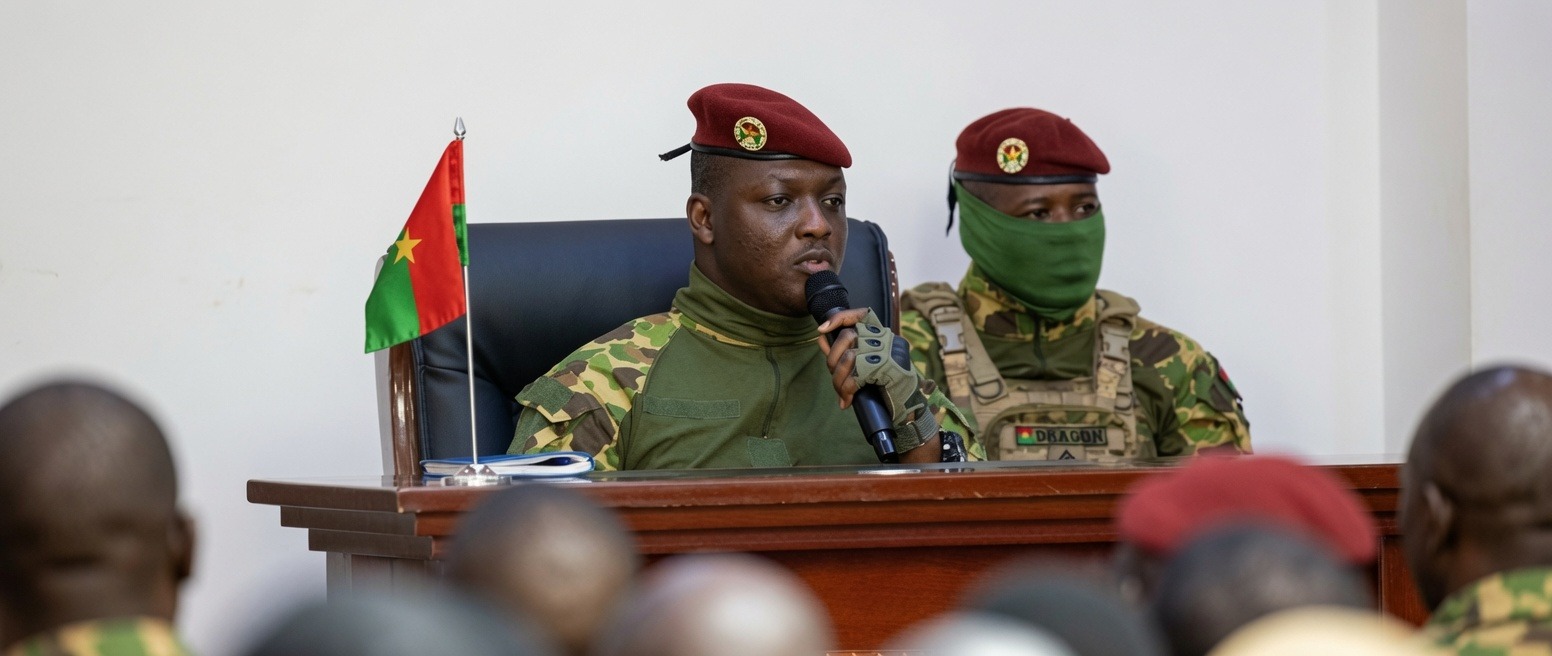
In a historic diplomatic shift, Burkina Faso’s military leadership has acknowledged the failures of its Russian-backed security strategy, culminating in an unprecedented bid for emergency defense cooperation with Turkey. The move marks a turning point in Ouagadougou’s approach to counterterrorism, as jihadist violence continues to escalate despite years of reliance on Moscow’s military muscle.
The broken promises of Russia’s military partnership
After severing long-standing alliances in favor of a Russian security pact, Burkina Faso’s transitional government betted on a rapid military turnaround. The strategy included the deployment of Russian paramilitary instructors and the acquisition of advanced weaponry, all promised to deliver swift territorial control. Yet, the results have been devastatingly underwhelming. Insurgent attacks persist across the country, entire regions remain under siege, and civilian casualties continue to rise—undermining any claims of progress.
Why Moscow’s model failed Burkina Faso
The Sahel’s unforgiving terrain and the complex nature of asymmetrical warfare exposed critical flaws in Russia’s approach. Logistical hurdles, tactical mismatches, and the sheer scale of jihadist networks rendered Moscow’s intervention ineffective in stabilizing the country. The African Sahel States Confederation (AES), despite its regional ambitions, has struggled to provide a unified and capable counterterrorism response, leaving Burkina Faso in a precarious security void.
Ankara emerges as Burkina Faso’s reluctant lifeline
With time running out and public pressure mounting, Burkina Faso’s delegation made a high-stakes gambit during preliminary talks in Ankara. Led by Ambassador Hermann Yirigouin Toé, the team sought Turkey’s immediate intervention, framing the request as a call for “concrete international solidarity.” The focus? Ankara’s battle-tested drone technology and proven counterterrorism capabilities, which have demonstrated remarkable effectiveness in similar African conflict zones.
This plea, however, is far from a balanced negotiation. Burkina Faso’s urgency underscores a stark reality: its own forces, even bolstered by Moscow’s limited support, cannot secure the nation’s borders. The appeal to Turkey reflects not just a shift in diplomacy but a stark admission of vulnerability—a government clinging to any lifeline to halt the crisis.
The contradiction between sovereign posturing and urgent need
Burkina Faso’s pivot to Turkey shines a harsh spotlight on the contradictions of its foreign policy. The junta’s initial embrace of Russia was sold as a bold move toward sovereignty and self-reliance. Yet, after years of failed promises, the same leadership now seeks Ankara’s assistance, signaling the collapse of that narrative. The military’s inability to enforce security by itself has forced Ouagadougou into an unenviable position: abandoning ideological posturing in favor of desperate pragmatism.
Can Ankara deliver where Moscow couldn’t?
Turkey’s reputation as a pragmatic state with a burgeoning defense industry has positioned it as a potential game-changer in the Sahel. Unlike Russia’s rigid, state-driven approach, Ankara combines cost-effective solutions with operational adaptability. However, the jury is still out on whether Turkish support can reverse Burkina Faso’s downward spiral. The junta’s past missteps raise doubts about its ability to integrate new partners effectively—raising concerns that even Ankara’s advanced capabilities may fall short without a coherent local strategy.
What lies ahead for Burkina Faso’s security landscape?
The coming months will be decisive. If Turkey’s intervention fails to curb the insurgency, Burkina Faso risks deeper isolation, with foreign partners questioning its ability to govern. Conversely, successful collaboration with Ankara could restore a fragile sense of stability, though at the cost of further geopolitical realignment. For now, Ouagadougou’s gamble reflects one inescapable truth: in the Sahel’s brutal calculus of power and survival, no strategy survives without results.