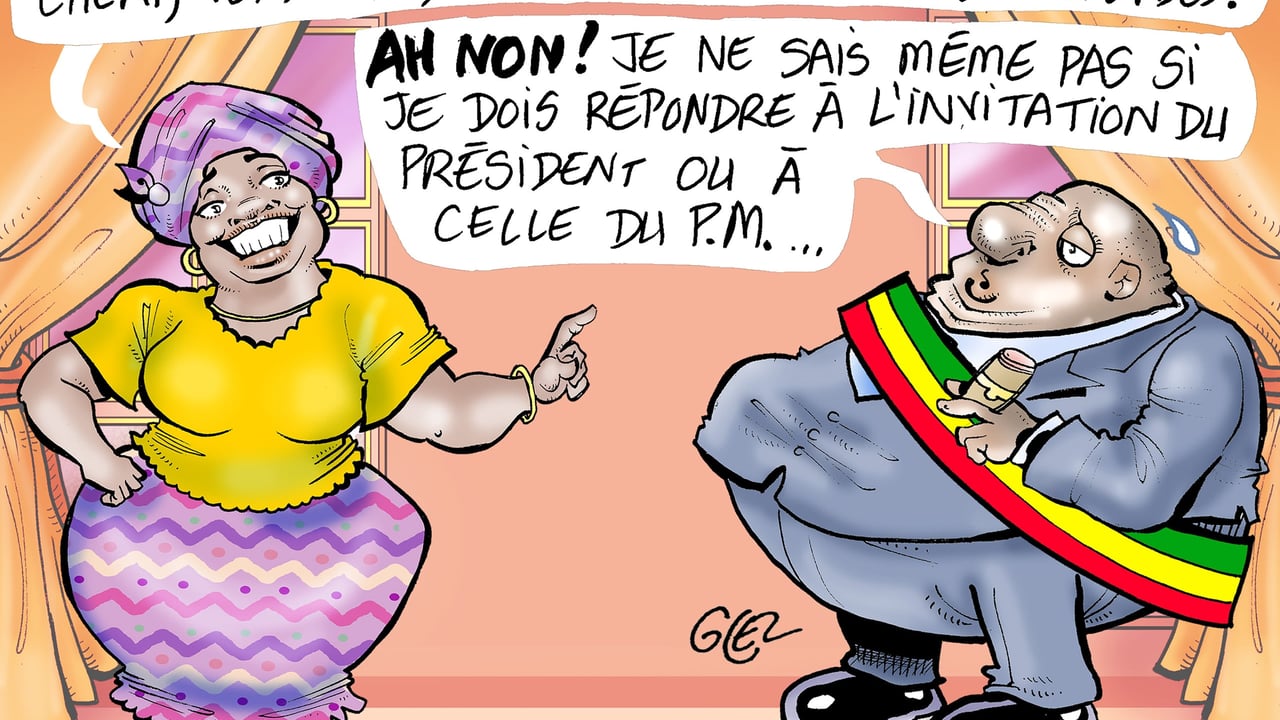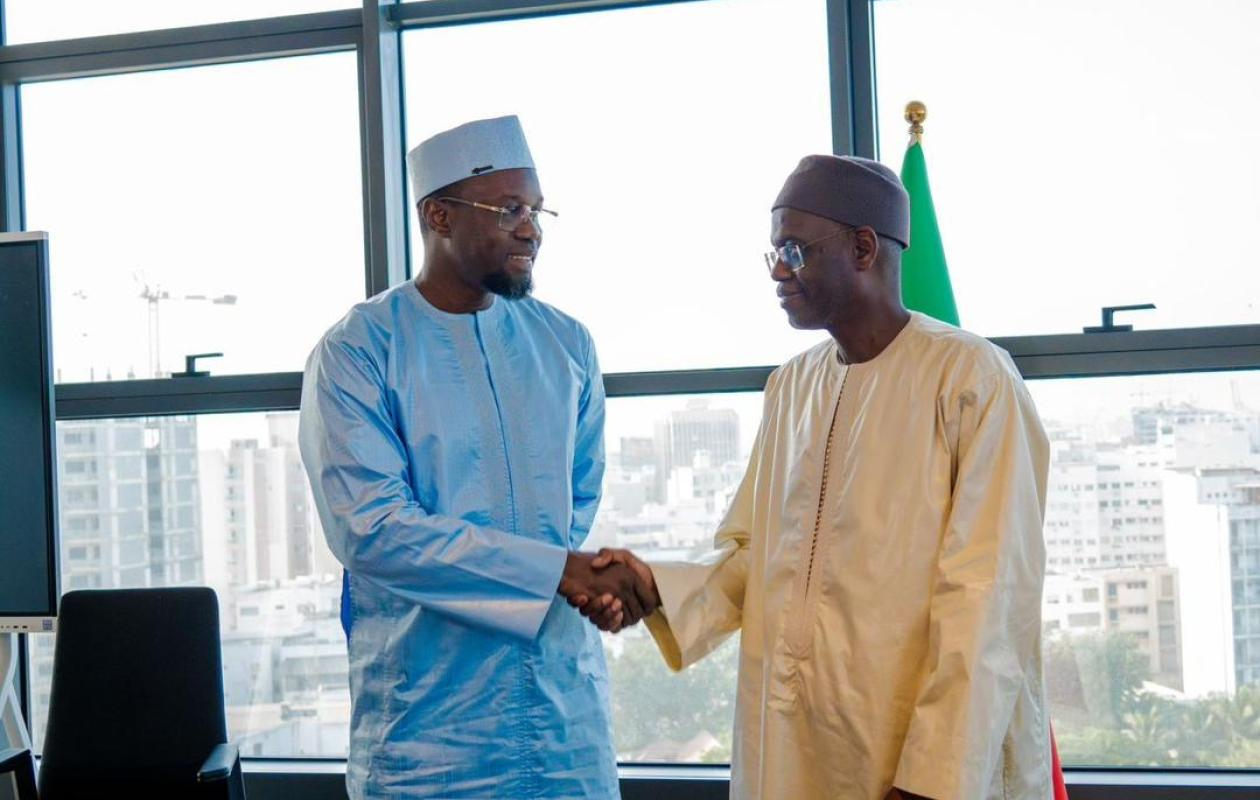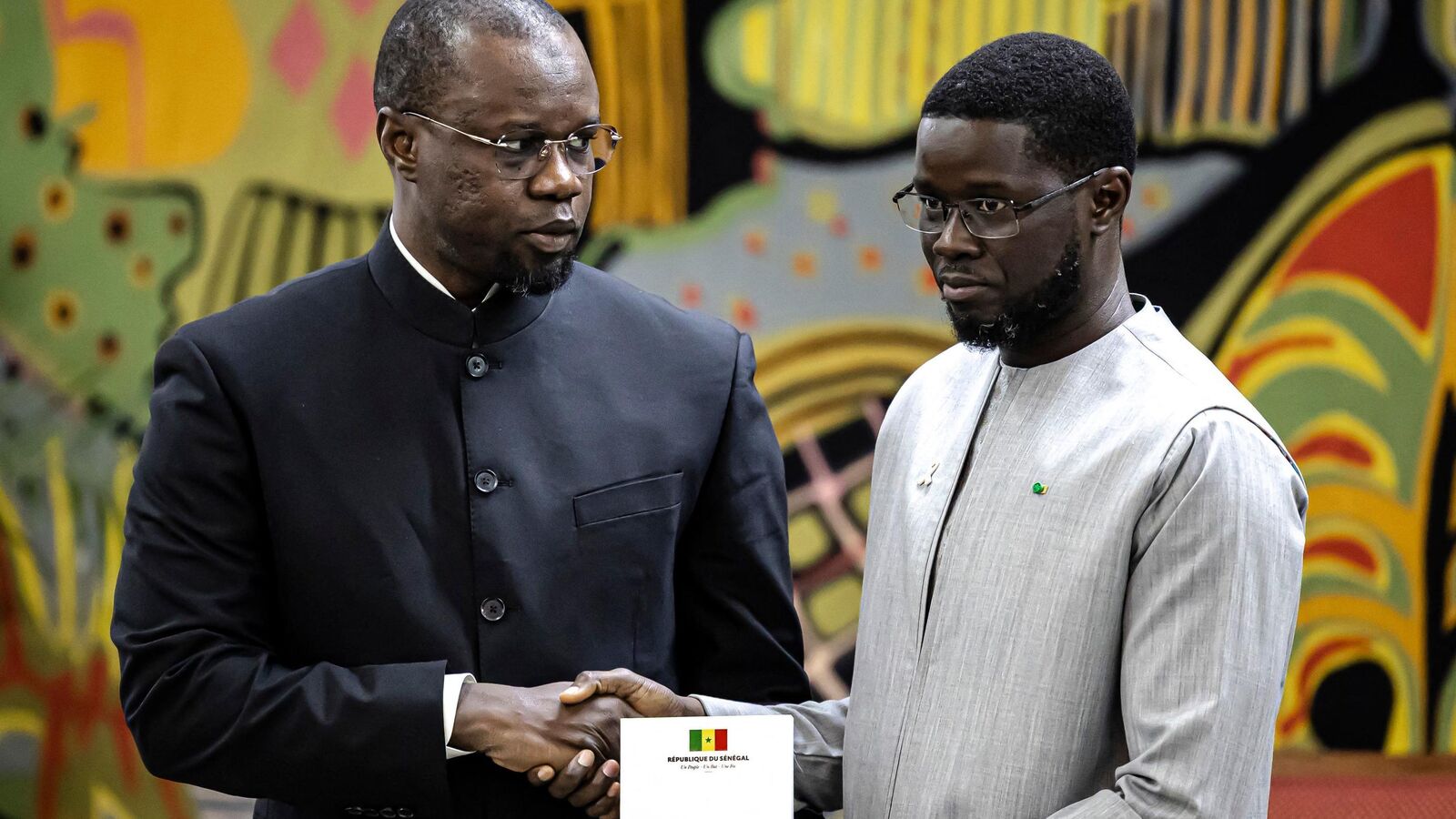
After months of political alliance, Senegal is witnessing a dramatic shift in its leadership dynamics. The once-united front of President Bassirou Diomaye Faye and his former Prime Minister Ousmane Sonko has fractured, with Sonko now emerging as the head of the National Assembly—a position that places him directly in opposition to the head of state.
Their collaborative journey, encapsulated in the 2024 presidential campaign slogan Diomaye Moy Sonko (‘Diomaye is Sonko’), symbolized a partnership forged to dismantle the legacy of former President Macky Sall. However, the realities of governance and economic challenges have exposed deep divisions between the two leaders.
From allies to adversaries: the fallout
Sonko’s dismissal as Prime Minister on May 22 marked the beginning of an open rivalry. Following his removal, he swiftly reclaimed his parliamentary seat and was subsequently elected Speaker of the National Assembly, securing a role second only to the presidency. This elevation not only solidifies his political influence but also positions him as Faye’s most formidable opponent.
The transition from a unified campaign to a fractured administration underscores the pressures facing Senegal’s leadership. Economic strain and political maneuvering have eroded the partnership, leaving both figures to navigate a new and uncertain political landscape.
The broader implications
With Sonko’s rise, Senegal’s political future hangs in the balance. His leadership in the Assembly introduces a dynamic where legislative power could challenge executive authority, reshaping the balance of governance. As the nation grapples with economic headwinds, the rift between Faye and Sonko adds another layer of complexity to an already volatile situation.