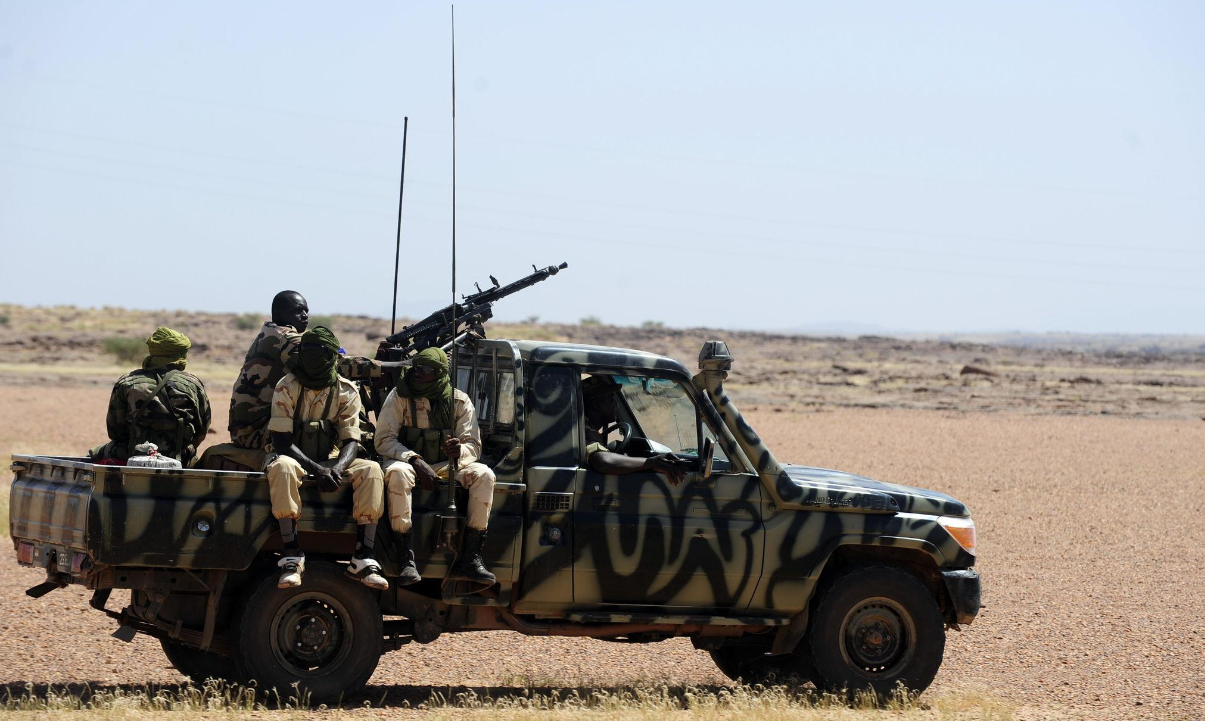
Agadez, October 2026 — A targeted ambush on passenger buses along the Agadez-Arlit highway in northern Niger has pushed safety concerns to a critical turning point. Reports indicate an attack of unprecedented violence left at least 11 dead, including civilians and security personnel, with multiple serious injuries. The incident, unfolding near a strategic transport corridor, has intensified debates over how to secure vital routes in the face of growing insecurity.
An ambush that changes the security landscape
The attack occurred just 35 kilometers from Agadez, targeting buses traveling toward Arlit—a city central to mining and commerce in the region. Eyewitness accounts describe armed assailants using three vehicles to intercept and open fire on civilian transport, escalating into intense firefights with security forces onboard one of the buses. The provisional death toll stands at 11, with several others critically injured, signaling a sharp escalation in violence on a route already under pressure.
Unanswered questions linger over the attackers and motives
As of now, no group has claimed responsibility, and the precise sequence of events remains unclear. Security officials continue to investigate the identities of the assailants, their possible affiliations, and the factors behind this brazen assault. Until verified details emerge, uncertainties persist about whether this was a random act of violence or a deliberate targeting of transport infrastructure. The lack of immediate clarity only deepens concerns among travelers and local communities.
Why the Agadez-Arlit highway is more than just a road
The Agadez-Arlit route is far more than a connecting road—it’s a lifeline for northern Niger’s economy and social fabric. Agadez, a historic hub of Saharan trade, relies on the highway to link its markets with Arlit’s mining-driven commerce. For residents, this route is indispensable for accessing healthcare, education, and family ties. Any disruption not only threatens lives but also cripples economic resilience in a region where alternatives are scarce.
The attack’s ripple effects extend beyond the immediate tragedy. Transport operators face rising costs and shrinking passenger confidence, while families grapple with fear of future violence. The psychological toll is just as severe as the financial strain, leaving locals questioning whether safe travel is still possible.
Government response must match the urgency of the crisis
The ambush underscores the monumental challenge of securing vast, remote Saharan highways where terrain and distance complicate law enforcement efforts. Security forces now face scrutiny over their preparedness, particularly given reports of their involvement in the firefight. Clarifying the role of military or police personnel onboard, alongside the evacuation and treatment of casualties, is essential to restoring public trust.
A robust response demands more than reactive measures. Authorities must prioritize:
- Transparent communication to dispel rumors and provide verified updates to travelers and transport workers.
- Enhanced surveillance along vulnerable sections of the highway, leveraging technology and community-based strategies.
- Coordination with local leaders to identify high-risk areas and implement preventive measures.
The goal is not just to react to attacks but to dismantle the conditions that enable them.
Families demand truth as the community reels from loss
Behind every statistic is a family shattered by grief. For those directly affected, the wait for answers feels unbearable. The injured require urgent medical care, while relatives of the deceased seek closure amid conflicting reports. The spread of unverified information risks deepening trauma, making factual clarity a moral imperative.
This tragedy is a stark reminder of the human cost when security falters. It also highlights the resilience required of communities navigating an increasingly fractured environment. Their voices must guide the search for solutions, ensuring that policies reflect real needs rather than assumptions.
What’s next for travel safety on Niger’s highways?
The aftermath of this attack presents a pivotal moment for Niger’s transport sector. Will authorities act swiftly to reassure travelers, or will uncertainty continue to undermine confidence? For passengers, the question is simple: How do we move forward without fear?
One thing is certain—the status quo is no longer tenable. The Agadez-Arlit highway cannot afford another lapse in security. The time for decisive action is now.