Italy takes decisive action with sweeping security reforms amid rising urban violence
In response to violent unrest in Milan and other northern cities, the Italian government has approved a sweeping new security decree, introducing stricter penalties, parental financial responsibility, and expanded surveillance. The move marks a significant shift in Rome’s crime response strategy, sparking intense debate over public order and civil liberties.
From Milan’s streets to national security: the new decree in action
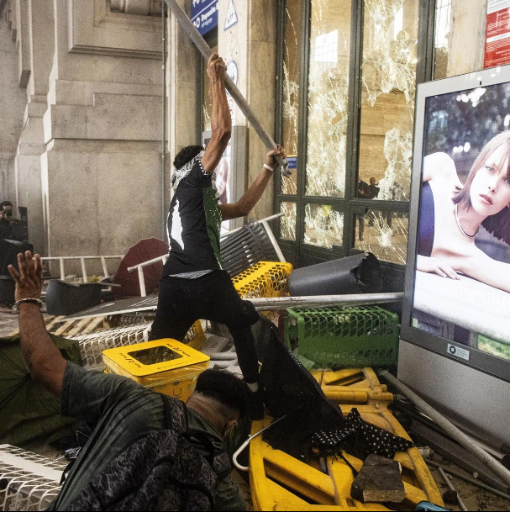
Milan became the epicenter of the government’s intensified security push after a weekend of mass looting, vandalism, and clashes with police. The executive, led by Prime Minister Giorgia Meloni since 2022, has framed the decree as a necessary step to combat rising urban violence, while critics warn it could set a dangerous precedent for law enforcement and personal freedoms.
« Violence cannot be tolerated, » declared the Prime Minister, drawing a clear line between peaceful protest and destructive acts. Yet the new measures go beyond mere crackdowns, targeting not just rioters, but also the families of offenders and the organizers behind violent gatherings.
Harsher penalties for group violence and agitators
The decree introduces a new crime for violent group participation—applicable when five or more individuals collectively endanger public safety. Offenders face up to five years in prison and fines reaching €20,000, with penalties escalating if protesters conceal their identities or if injuries occur.
Organizers and digital agitators are also in the crosshairs. Justice Minister Carlo Nordio confirmed that promoting violent gatherings—even online—could lead to sentences between four and twelve years. The move aims to dismantle not just the rioters on the ground, but the networks that fuel unrest behind the scenes.
Parents and minors in the line of fire
The government is doubling down on accountability for juveniles involved in unrest. Prosecutors will find it easier to pursue 14-to-17-year-olds, and preventive detention will be expanded for high-risk minors. Parents, too, face new financial consequences: authorities can now seek compensation from families for damages caused by their children’s actions.
While the intent is to deter repeat offenses, the shift raises critical questions about collective punishment and the limits of parental responsibility in juvenile justice.
Milan’s security surge: 500 troops deployed under Strade Sicure
In a high-profile show of force, the government has ordered 500 additional military personnel to Milan under Operation Strade Sicure, reinforcing patrols in volatile districts and supporting police efforts. The move reflects the city’s role as a testing ground for Italy’s new security doctrine.
Yet the unrest wasn’t confined to Milan. Protests erupted across northern cities, exposing deep-seated frustrations over rising living costs, energy prices, and housing shortages. While the government dismisses economic hardship as justification for violence, critics argue that punitive measures alone won’t address the root causes of public discontent.
Balancing order and freedom: the looming political storm
The decree builds on a series of security laws introduced since 2022, drawing sharp criticism from civil rights advocates and police unions. Concerns include the expansion of preventive policing, juvenile detention conditions, and the risk of disproportionate penal responses.
Not all proposed measures survived scrutiny. Attempts to grant military personnel expanded policing powers in Milan were reportedly vetoed by the Presidency of the Republic, highlighting internal divisions over the decree’s reach.
The law entered into force immediately but requires parliamentary approval within 60 days. As Italy grapples with the fallout, the debate over security versus liberties enters a decisive phase—one that will shape the nation’s approach to protest, punishment, and democracy itself.