The Malian government is set to take decisive action in response to soaring local meat prices, but its chosen path may do more harm than good. Officials are considering a sweeping six-month ban on cattle exports — a move marketed as a safeguard for consumer affordability but widely seen as a heavy-handed intervention that could suffocate the backbone of the national economy.
Key industry players are sounding the alarm: instead of addressing the root causes of the crisis, this policy will choke private operators who have sustained the sector for generations. For a country where livestock contributes over 15% to GDP and generates over $150 million annually through exports, such a blanket restriction represents a dangerous act of economic self-sabotage.
An attack on the private sector that threatens long-term stability
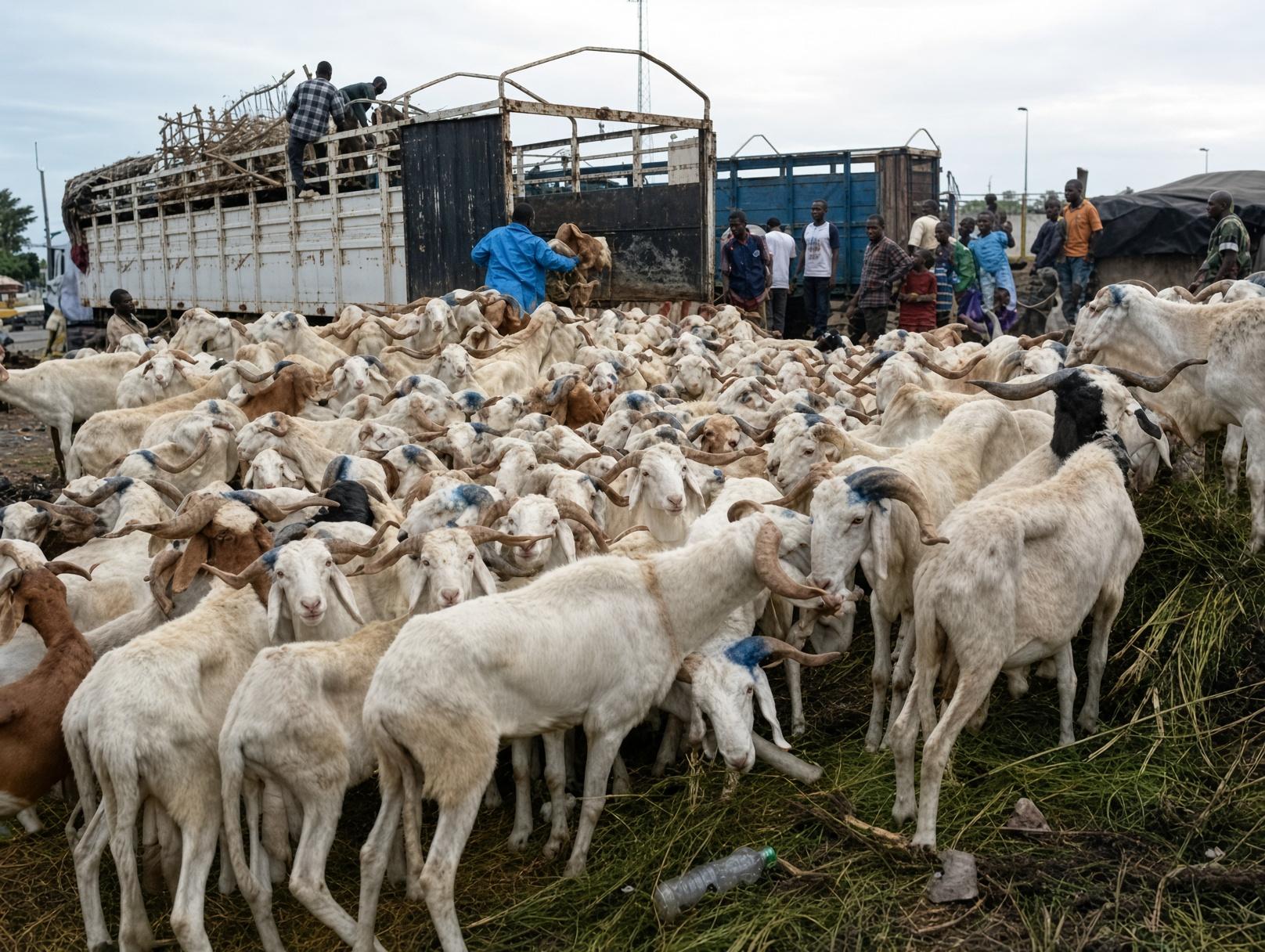
Livestock trade is the lifeblood of rural Mali. It supports hundreds of thousands of herders, traders, transporters, and market vendors whose livelihoods depend on seamless regional commerce. By slapping an export embargo on cattle bound for Senegal, Côte d’Ivoire, or Guinea, Bamako is not only stifling economic freedom — it’s creating artificial shortages that will drive prices even higher in the long run.
The immediate consequences are already visible:
- Collapse in profit margins as excess supply floods local markets with no exit strategy.
- Increased operational costs for small-scale operators already squeezed by inflation in feed and transport.
- Shattered investor confidence in a regulatory environment that punishes transparency and unpredictability.
History shows that price controls and trade bans rarely succeed. They discourage investment, smother innovation, and push quality producers into informality. When domestic markets become saturated and unprofitable, the most skilled ranchers have no incentive to expand or modernize. The ban doesn’t solve the crisis — it exports it.
Real problems ignored in favor of a political quick fix
What’s really pushing meat prices up? The evidence points to systemic dysfunctions:
- Market disorganization caused by administrative relocation of cattle markets, disrupting supply chains.
- Rising feed costs due to dependency on imported inputs and global commodity volatility.
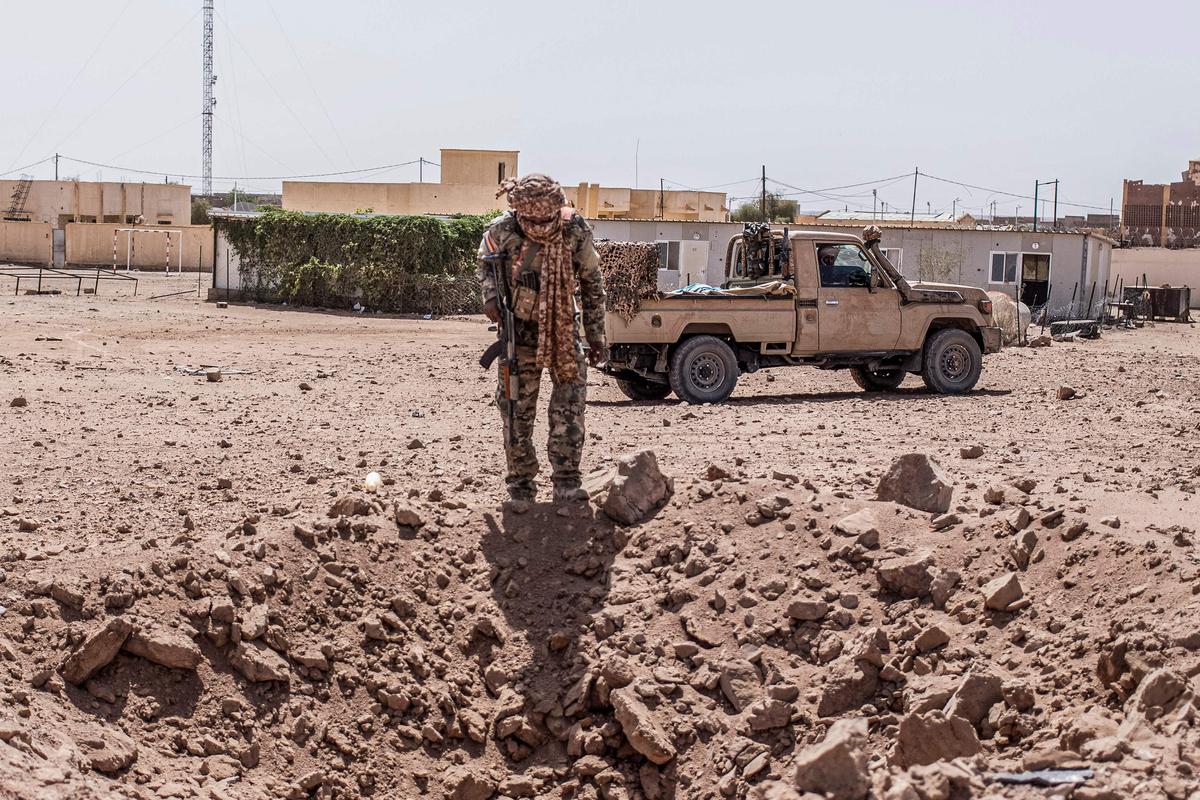
- Rising insecurity and extortion on transit routes, inflating transportation costs.
- Overregulation that increases compliance costs and bureaucratic delays.
Rather than dismantling these barriers, the government has chosen a blunt tool: prohibition. By blocking exports, it removes a crucial revenue stream for herders and forces cattle back into already saturated regional markets. This distortion will not bring prices down — it will push them up further, deepening food insecurity and eroding public trust.
Sacrificing regional trade and investor trust
Mali’s cattle exports follow a sophisticated sub-regional trade network representing 99% of all bovine sales. This network connects herders in the south and center to high-demand markets in coastal West Africa. By threatening to sever this lifeline, the state is sending a chilling message to foreign investors and trade partners.
Predictability, legal security, and respect for contracts are the foundation of any thriving economy. But under this policy, the rules are no longer fixed — they are subject to sudden, politically driven reversal. No investor will risk capital in a market where the rules can disappear overnight. The message is clear: Mali prefers control over growth, and short-term optics over structural reform.
What’s the path forward?
If Mali truly wants to stabilize meat prices, it must stop blaming private actors and start addressing the real issues. The solution lies not in bans, but in empowering the market:
- Secure and modernize cattle markets to improve transparency and reduce bottlenecks.
- Invest in feed production to reduce dependence on costly imports.
- Protect transport corridors with enhanced security to lower logistics costs.
- Reduce administrative burdens that stifle small and medium operators.
The livestock sector is not the problem — it is part of the solution. But it can only fulfill its potential when governments choose collaboration over coercion, and development over decree. The choice is clear: reform or stagnation. Mali cannot afford both.
Right now, the government’s stance is not protecting consumers — it’s undermining the very forces that could lift the country out of crisis.