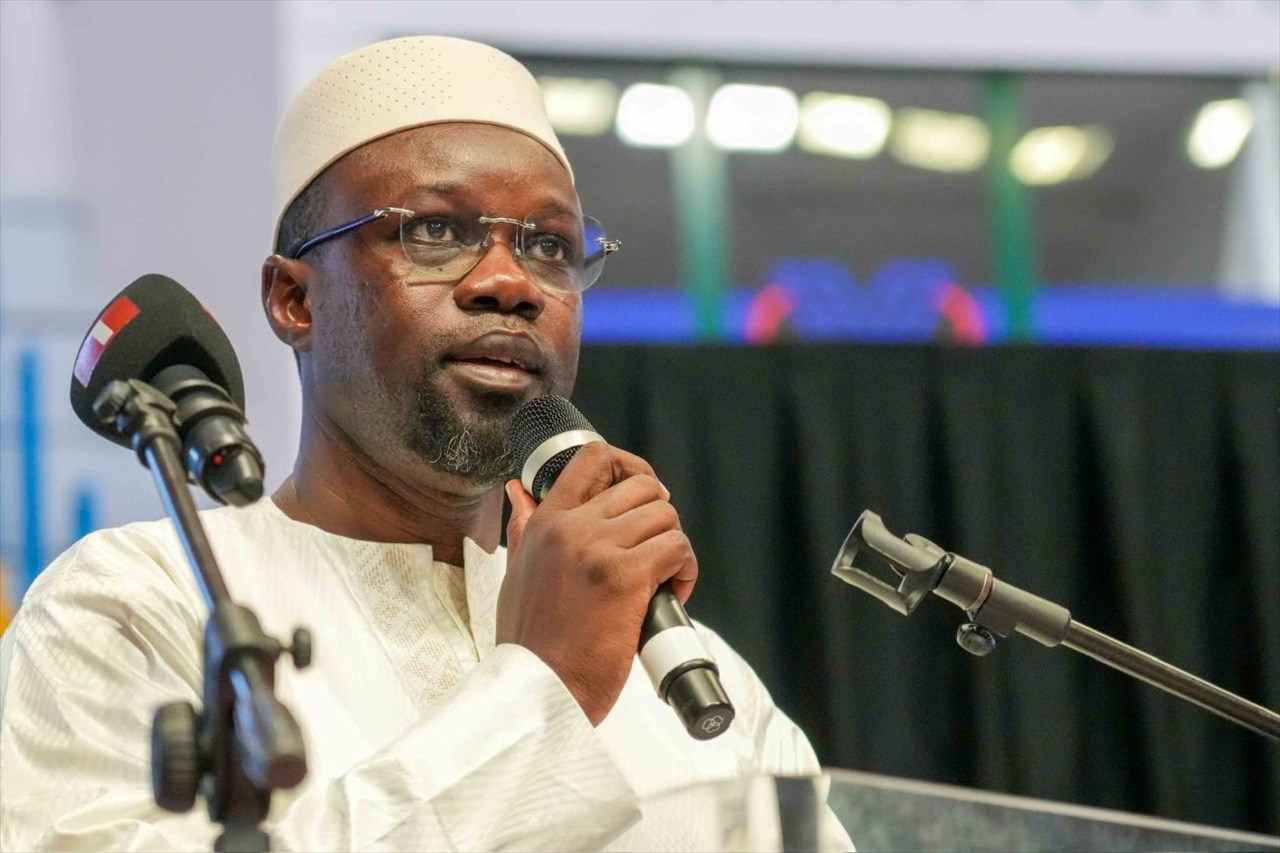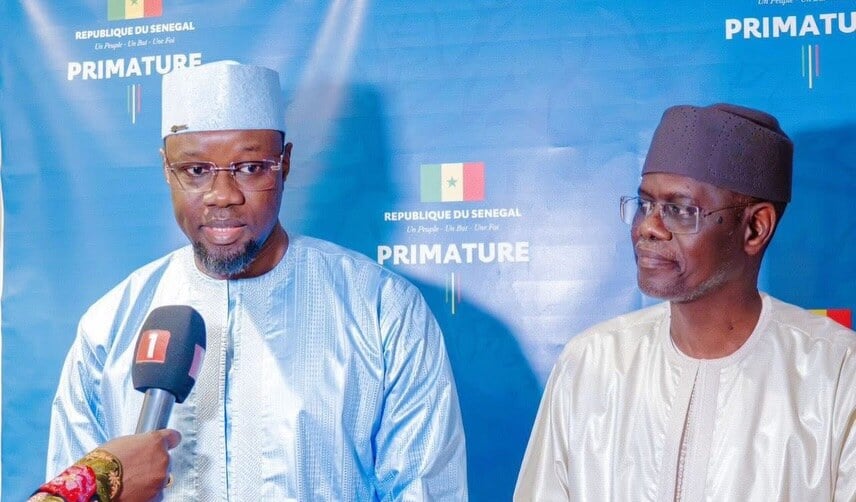
Senegal’s political leadership has firmly outlined its stance on public debt management. During a high-level meeting in Dakar, El Malick Ndiaye, President of the National Assembly, categorically dismissed any possibility of restructuring the country’s debt obligations. Instead, he advocated for a sovereign approach, prioritizing internal fiscal adjustments over negotiations with external creditors. This position aligns with the economic doctrine championed by President Diomaye Faye and Prime Minister Ousmane Sonko since late 2024, when revised debt figures revealed a higher-than-reported public debt.
Unyielding stance against debt restructuring
For months, Senegal has stood firm against debt restructuring, positioning itself as a reliable borrower unwilling to default. El Malick Ndiaye emphasized that renegotiating debt would signal financial instability, potentially damaging Senegal’s credibility in global markets. He framed the decision as a political imperative rather than a mere budgetary calculation, reinforcing the government’s commitment to honoring its obligations independently.
This uncompromising posture contrasts with advice from multilateral partners like the International Monetary Fund (IMF), whose suspended program with Senegal highlights concerns over debt sustainability. Credit rating agencies have also downgraded Senegal’s sovereign rating multiple times in recent months, increasing borrowing costs and complicating market re-entry.
Sovereign debt management: balancing ambition and constraints
Senegal’s sovereign debt strategy hinges on several key measures already initiated by the government. These include broadening the tax base, optimizing public spending, renegotiating imbalanced contracts, and boosting revenue from hydrocarbon projects like the Sangomar oil field and Grand Tortue Ahmeyim gas field. While these initiatives aim to strengthen fiscal resilience, their short-term impact remains uncertain. Hydrocarbon revenues alone are unlikely to reverse the rising debt-to-GDP ratio, which, after reassessment by the Audit Court, now exceeds thresholds set by the West African Economic and Monetary Union (WAEMU).
The government faces a dual challenge: servicing a growing debt burden while maintaining critical investments in social sectors and infrastructure. With debt servicing consuming an increasing share of domestic revenue, fiscal space for development projects is shrinking, underscoring the urgency of effective revenue mobilization and expenditure control.
Political messaging to markets and citizens
El Malick Ndiaye’s remarks were directed at multiple audiences. To investors, his statement reaffirmed Senegal’s reliability as a debtor committed to meeting obligations without formal default mechanisms. Domestically, it reinforced campaign promises of financial independence from external oversight. Regionally, it underscored Senegal’s pursuit of economic sovereignty—a theme gaining traction across West Africa.
Yet, the success of this strategy hinges on tangible outcomes in the upcoming budget laws, particularly in revenue generation and expenditure efficiency. While an IMF agreement remains off the table in its traditional form, market observers suggest a technical compromise could emerge to restore access to concessional financing. African economists argue that such an arrangement, distinct from formal restructuring, may eventually become necessary to stabilize Senegal’s financial trajectory.
For El Malick Ndiaye, the stakes extend beyond fiscal policy. His stance reflects a broader test of the sovereignist economic model embraced by the PASTEF government since taking office. He framed the decision as a long-term commitment, rejecting short-term interpretations of Senegal’s position.