Operation Magnan delivers unprecedented blow to contraband networks
Burkina Faso has reached a decisive turning point in its fight against illegal trade with a historic crackdown that intercepted goods worth over 10.8 billion West African francs (approximately $17.5 million) in just three months. The operation, codenamed “Magnan,” has exposed the alarming scale of smuggling networks operating across the country while demonstrating the government’s commitment to protecting public health and economic stability.
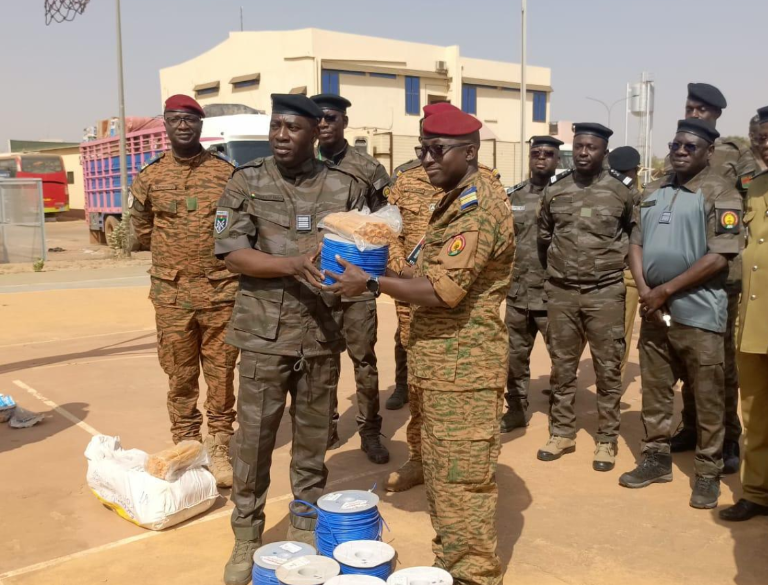
The breakthrough was unveiled during a high-profile press briefing in Ouagadougou, where customs officials presented their findings from the July-to-October enforcement campaign. The record seizures served as a wake-up call about the pervasive threats posed by counterfeit pharmaceuticals, dangerous chemicals, and other prohibited goods infiltrating legitimate markets.
Pharmaceuticals dominate the haul with dangerous implications
The most significant revelation involved Tapentadol, a prescription pain medication that accounted for the bulk of the confiscated value. Authorities intercepted more than 4.2 million tablets of this controlled substance, valued at an estimated 8 billion francs. This staggering quantity suggests the drug was being distributed through unauthorized channels, potentially exposing patients to improper dosages or contaminated formulations.
Equally concerning were the discoveries of:
- Over 11 tons of counterfeit medications worth 1.1 billion francs
- Unregulated agricultural inputs including 500 tons of fertilizers
- Thousands of liters of adulterated cooking oil
- 490 tons of smuggled rice from unapproved sources
These findings highlight how counterfeit pharmaceuticals can pose severe health risks when they bypass proper regulatory controls, potentially containing incorrect active ingredients, improper dosages, or even toxic substances.
Dangerous substances and industrial chemicals uncovered
Beyond pharmaceuticals, the operation revealed a disturbing variety of hazardous materials circulating through informal channels:
- Narcotics: Significant quantities of cocaine and cannabis
- Industrial chemicals: Cyanide and mercury used in mining and manufacturing
- Explosives: Detonators and related materials diverted from regulated sectors
- Pesticides: Unapproved agricultural chemicals posing environmental and health threats
The presence of these substances outside regulated environments creates multiple risks, from environmental contamination to potential misuse for criminal purposes.
Economic fallout threatens legitimate businesses
The illegal trade ecosystem doesn’t just endanger public safety—it directly undermines Burkina Faso’s economic foundations. Customs officials warn that:
- Smuggled goods create unfair competition for law-abiding businesses
- Lost tax revenue affects national development budgets
- Counterfeit products erode consumer confidence in legitimate markets
- Unregulated agricultural inputs threaten food security and farmer livelihoods
These distortions in the marketplace divert vital resources away from legitimate economic activities while enriching criminal networks.
Operation Magnan marks the beginning, not the end of the fight
While the record seizures represent a major breakthrough, customs authorities emphasize this is just the first phase of a sustained campaign. The real challenge now involves:
- Mapping supply chains: Identifying import routes and distribution networks
- Strengthening interagency cooperation: Coordinating with security forces and health regulators
- Prosecuting offenders: Pursuing cases against network operators within legal frameworks
- Preventing resurgence: Implementing measures to stop reconstituted networks
The operation sends a clear message to smugglers: Burkina Faso is no longer a soft target for illicit trade. The coming months will determine whether these early victories can evolve into lasting structural change.