The unseen strategy behind Benin’s sweeping traffic enforcement drive
Behind the surge of traffic stops and fines in Benin lies a calculated shift in public order enforcement. The recent crackdown isn’t just about penalizing offenses—it represents a deliberate attempt to reshape behavioral patterns on the country’s most vulnerable roads.
What the numbers reveal about the crackdown’s first 48 hours
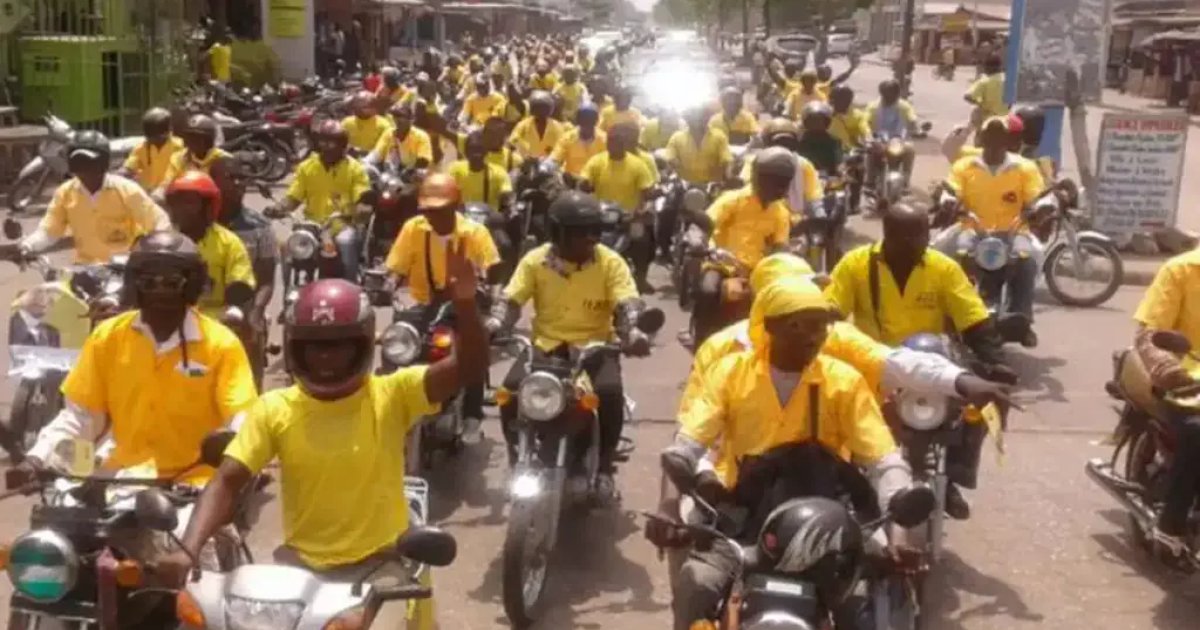
In the initial phase of the operation, law enforcement intercepted over 100 motorcyclists and a dozen car drivers across key hotspots. The rapid escalation of roadblocks in economic hubs like Fidjrossè and the Marina district points to a targeted approach rather than random policing.
This surge in enforcement reflects a broader strategy to address the country’s persistent road safety crisis, with authorities prioritizing high-risk areas where accidents and violations are most concentrated.
The fine structure: What’s at stake for everyday drivers
The penalties reflect the government’s zero-tolerance stance on dangerous driving. Offenses such as distracted driving (20,000 CFA), overloading (10,000 CFA), wrong-way driving (6,000 CFA), and riding without a helmet (5,000 CFA) have become immediate financial burdens for violators.
Traffic officers are also enforcing strict compliance with traffic signals, with red-light violations attracting hefty fines under the updated road safety regulations.
A nationwide crackdown: Where the crackdown is unfolding
Beyond Cotonou, the operation spans major urban centers, including Abomey-Calavi, Porto-Novo, Sèmè-Podji, Ouidah, Bohicon, and Parakou. Police detachments have been strategically positioned at intersections and arterial roads to maximize deterrence.
The stated goal is twofold: eliminating high-risk behaviors and restoring collective discipline on Benin’s road network. This initiative comes as part of a long-term effort to reduce fatalities and injuries tied to reckless driving.
What’s driving this sudden shift in traffic enforcement?
Industry analysts suggest that the crackdown is a response to rising accident rates and public pressure for stricter safety measures. The government appears to be leveraging fines not only as punitive tools but also as a psychological deterrent to encourage voluntary compliance.
As the operation expands, drivers are left to balance the immediate cost of fines against the long-term benefits of safer roads—a trade-off that could redefine Benin’s traffic culture for years to come.