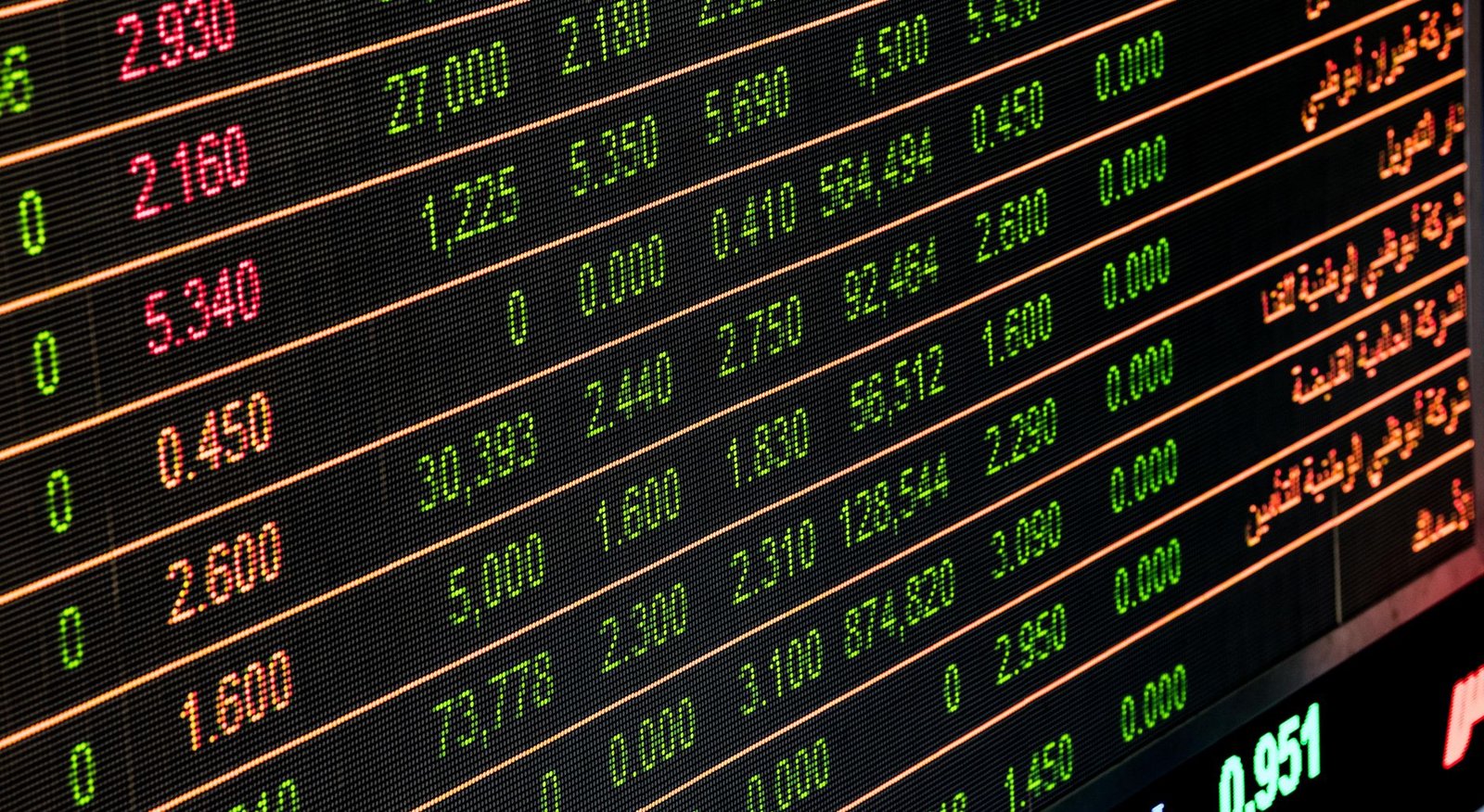
The West African nation of Senegal has marked a significant milestone in its financial strategy by successfully listing four sovereign bonds on the regional stock exchange, the Bourse Régionale des Valeurs Mobilières (BRVM). The combined issuance amounts to 305 billion West African CFA francs (approximately 465 million euros), representing a strategic shift in how Dakar manages its public debt by opening it to regional capital markets.
Beneath the surface: why simultaneous bond listings change the game
The decision to launch four separate bond lines simultaneously was not incidental. It was a calculated move aimed at broadening the investor base across the West African Economic and Monetary Union (UEMOA) region. Previously, Senegal’s sovereign funding relied heavily on auctions managed by the UMOA-Titres agency, where bonds were issued but not actively traded afterward. By listing these bonds on the BRVM, the Senegalese Treasury has introduced a liquidity layer that was previously absent, enabling institutional investors—such as insurance companies, pension funds, and regional banks—to buy, hold, and potentially sell these securities in a transparent market.
The scale of the operation—305 billion FCFA—also signals resilience in a challenging fiscal environment. Following the 2024 public finance audit, Senegal’s debt-to-GDP ratio was revised upward, prompting skepticism from rating agencies. Yet, the strong investor participation during the bond issuance demonstrates restored market confidence in Dakar’s fiscal management, even amid heightened scrutiny.
How the BRVM is becoming Africa’s go-to platform for sovereign debt trading
The BRVM has long been recognized as the financial hub for West and Central Africa’s public and private debt markets. However, the trading volume and diversity of issuers have traditionally skewed toward Côte d’Ivoire, which has dominated the regional bond market. The successful listing of Senegal’s four sovereign bonds reshapes this dynamic by significantly increasing the depth and diversity of the BRVM’s bond compartment. This move aligns with the exchange’s strategic push to attract more government and corporate debt issuances from the eight UEMOA member states.
The standardized listing framework introduced by the BRVM offers critical advantages for regional investors, particularly those bound by strict regulatory requirements. Assets listed on the BRVM are eligible for refinancing with the Central Bank of West African States (BCEAO), making them highly attractive to regulated financial institutions. This structural shift could encourage other West African treasuries to consider similar listings, further deepening the regional debt market.
The political and economic implications of Senegal’s bond debut
This groundbreaking issuance comes at a delicate moment for Senegal. Under President Bassirou Diomaye Faye’s administration, efforts to restore fiscal credibility are ongoing, especially after revelations about the true scale of inherited debt. Ongoing negotiations with the International Monetary Fund (IMF) for a new support program hinge on demonstrating a clear and sustainable debt trajectory. In this context, the successful bond listing carries not just financial weight but also symbolic significance, reinforcing confidence in Senegal’s economic governance.
However, tapping into regional markets is not without trade-offs. Investor appetite for Senegalese debt has cooled slightly in recent months, reflected in higher interest rate premiums demanded by UEMOA-based investors. While the BRVM listing could, over time, help reduce this risk premium by enhancing liquidity and broadening the investor pool, it places additional pressure on Senegal to maintain a balanced issuance rhythm that aligns with its revenue generation capacity.
Regional integration and the rise of West African sovereign debt markets
Senegal’s bond listing on the BRVM is more than a financial transaction—it’s a strategic step toward deeper regional financial integration. Dakar now joins an exclusive group of West African capitals, including Abidjan, Cotonou, and Lomé, whose sovereign debt is actively traded on the exchange. This gradual convergence of debt instruments under a unified regional trading platform reflects the long-standing vision of the UEMOA to foster financial integration across its member states.
By embracing this model, Senegal is signaling its commitment to transparency, market discipline, and long-term fiscal sustainability—key pillars for attracting long-term investors both within and beyond the UEMOA zone. As other nations observe the outcomes of this initiative, the BRVM may well emerge as a cornerstone of Africa’s evolving sovereign debt landscape, offering a blueprint for responsible borrowing and sustainable market development.