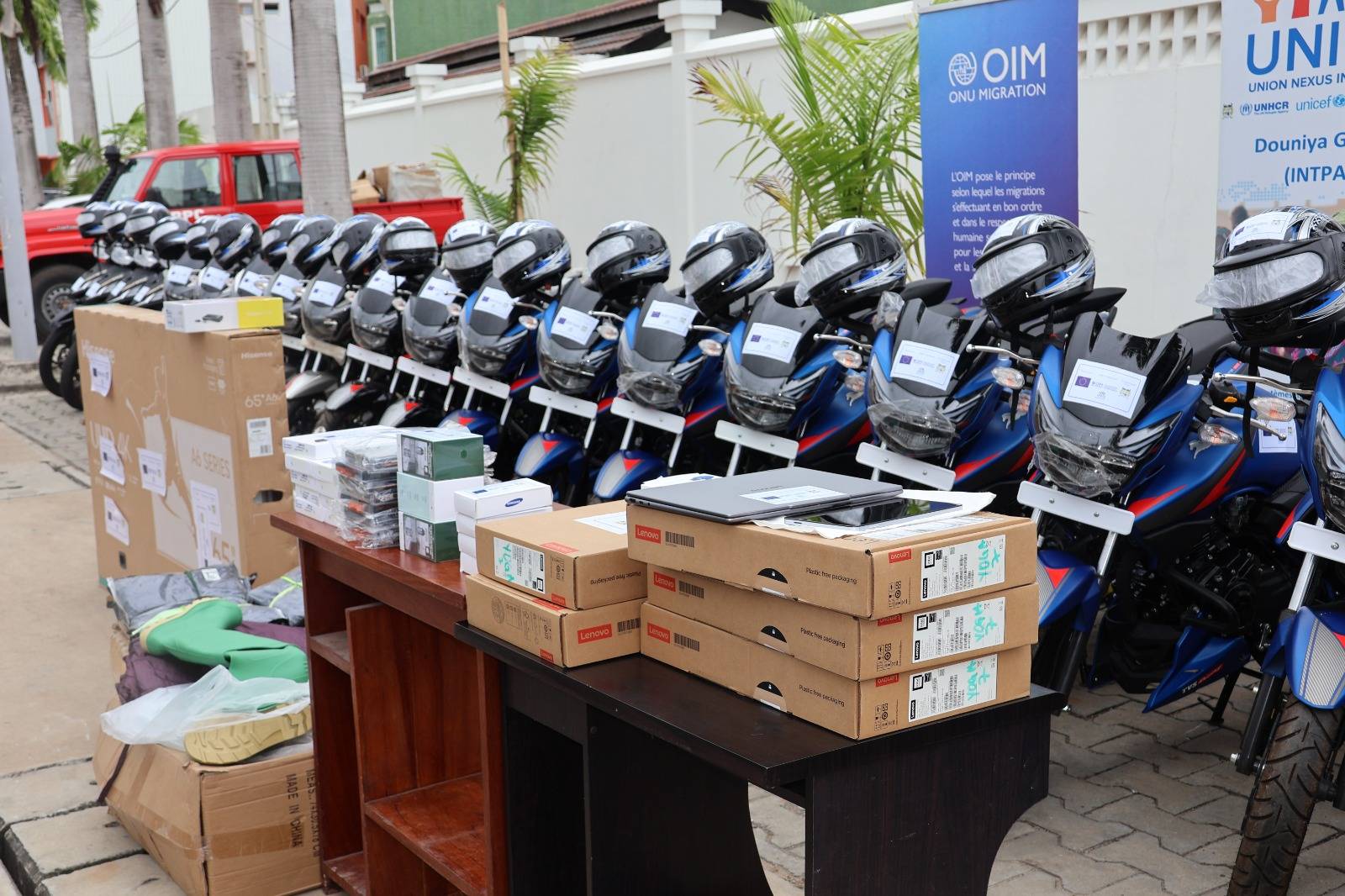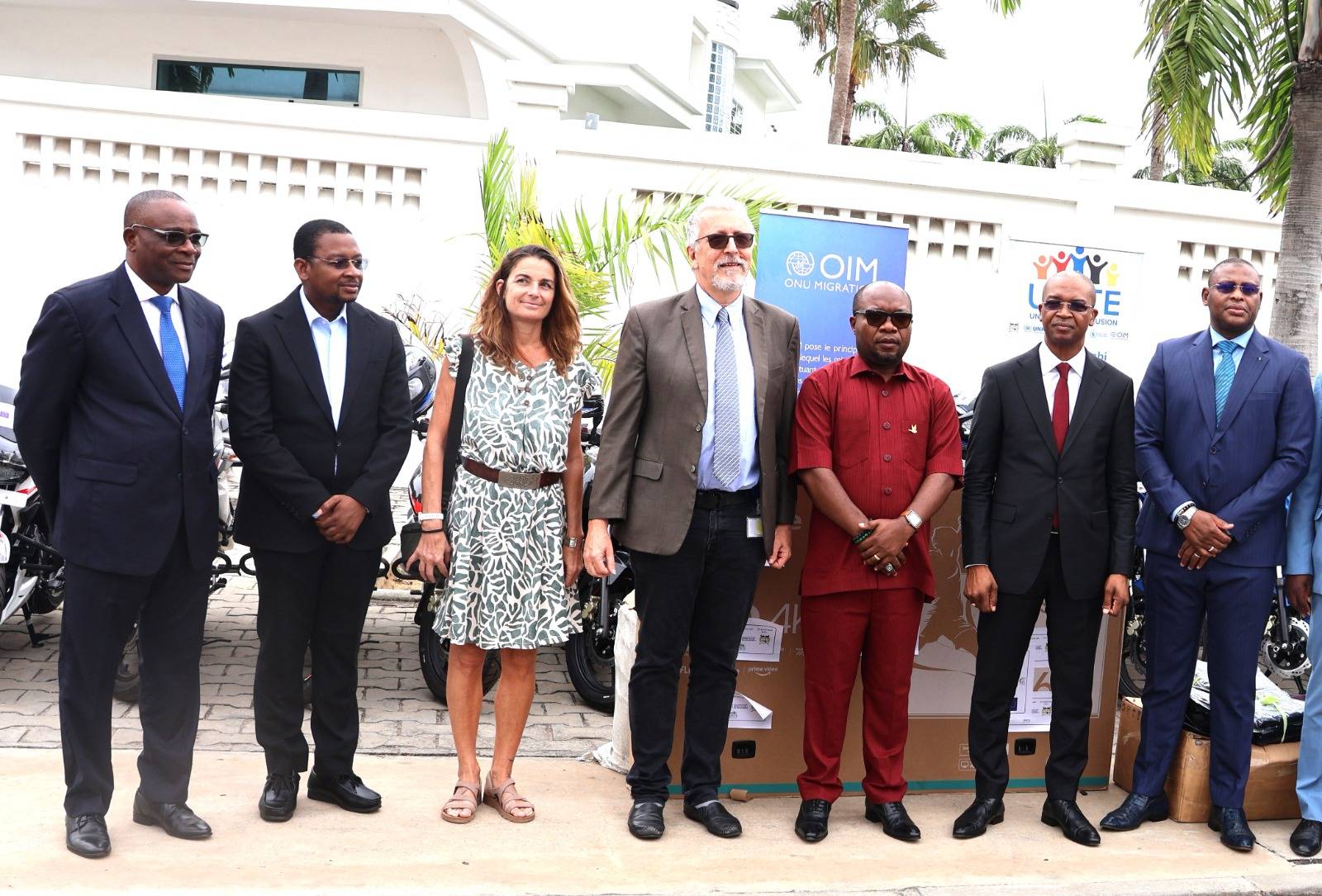
The civil protection landscape in Benin is undergoing a quiet revolution, driven by a deeper analysis of operational bottlenecks and long-term vulnerabilities. In a closed-door ceremony at the Ministry of Interior in Cotonou on September 22, 2026, the Béninois Agency for Civil Protection (ABPC) received a transformational package of support from the International Organization for Migration (OIM). Far from a mere logistical handover, this donation reflects a strategic pivot in how Benin prepares for tomorrow’s crises—not just today’s.
What’s really driving Benin’s push for faster emergency response
At the heart of this upgrade is a recognition that delays in civil protection aren’t just a matter of time—they’re rooted in systemic gaps. Recent assessments revealed that the ABPC’s ability to deploy rapidly was being hindered not only by outdated equipment but by fragmented data systems and limited inter-regional mobility. The OIM’s donation directly targets these weak points: high-performance vehicles for terrain access, encrypted communication tools for real-time coordination, and portable servers to centralize data across crisis zones.
Monsieur Étienne BANGA, head of the OIM office in Cotonou, highlighted this deeper logic during the event: “We’re not just moving vehicles and computers from one site to another—we’re re-engineering how information flows and how teams move across Benin’s diverse landscapes.”
Equipping teams for the crises of tomorrow, not yesterday
The donated assets are carefully tailored to Benin’s evolving risk profile—one shaped by a mix of climate shocks, cross-border migration, and urban pressure. Here’s how the new tools align with the country’s real-world needs:
- Mobility in a changing terrain: All-terrain vehicles equipped for flood zones, remote villages, and border areas where traditional logistics fail during emergencies.
- Data without frontiers: Portable servers and secure laptops ensure rapid information sharing between district command centers and the national crisis hub in Cotonou.
- Protection at every step: Lightweight first-aid kits, hazard marking tools, and personal protective gear reduce risk for frontline responders.
Why border regions are first in line for this upgrade
Border zones in northern and eastern Benin face a dual burden: vulnerability to extremist movements and exposure to climate-induced displacement. The new IT infrastructure allows ABPC teams to monitor displacement patterns in real time, improving early warning systems and reducing the humanitarian fallout from regional instability.
The government’s long game: building resilience beyond the handover
Speaking at the ceremony, Monsieur Djibril MAMA CISSÉ, Minister Delegate for Interior and Public Security, framed the donation as a cornerstone of Benin’s broader modernization strategy. His message to ABPC staff was clear: “Each tool you use represents a life saved, a home protected. This isn’t just equipment—it’s a transformation of how we safeguard our nation.”
The Minister also signaled a shift in strategy: future investments in civil protection will prioritize not just reaction, but anticipation. The ABPC is now tasked with developing predictive models that integrate climate data, migration flows, and security hotspots—essentially turning hindsight into foresight.
What comes next: turning logistics into lifesaving action
The real test begins now. Over the next six months, the ABPC will integrate these tools into daily operations, retrain teams, and refine response protocols. The equipment’s impact won’t be measured in press releases, but in the minutes shaved off response times during the next flood, the accuracy of warnings before a landslide, and the safety of agents navigating hostile terrains.
One thing is certain: Benin’s civil protection is no longer just reacting to crises—it’s preparing to outpace them.