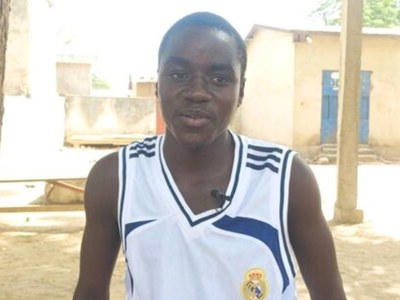
In the heart of Cameroon’s Far North region, where extremist violence has become a grim reality, a 20-year-old Christian named Oumar found himself at the center of a harrowing ordeal that exposed the brutal mechanisms of Boko Haram’s campaign of terror. His attack was not merely an act of violence but a calculated move within the group’s wider strategy to destabilize Christian communities.
The Far North, ranked 37th on Open Doors’ 2026 World Watch List for Christian persecution, has become a battleground where radical factions such as Boko Haram and ISWAP systematically target Christians. Reports from the region indicate that these groups engage in forced conversions, kidnappings, and violent intimidation, forcing many to abandon their homes and faith. The situation in Cameroon reflects a broader trend across the Sahel, where extremist ideologies thrive amid weak governance and economic despair.
Oumar’s story began in January when armed assailants stormed his village, leaving destruction in their wake. The attack claimed over a dozen lives, including the neighbor’s father of seven children. For Oumar, the assault took a personal turn when the militants demanded he abandon his faith and join them. His refusal triggered a violent response: a gunshot to his leg as he cried out for help.
Despite emergency surgery, Oumar’s recovery remains incomplete. The bullet was never removed from his leg, a constant reminder of the attack that altered his life forever. Speaking from his hospital bed, Oumar expressed both pain and resilience: “I wait for God to help me through my suffering.”
Understanding the root causes behind Boko Haram’s escalation in Cameroon
The Far North’s vulnerability stems from a mix of socio-economic factors and regional instability. Decades of underdevelopment, coupled with porous borders, have allowed extremist groups to embed themselves within vulnerable communities. Boko Haram’s tactics are not random; they are designed to exploit fear and division, pushing Christians to the brink of displacement or conversion. The region’s proximity to conflict zones in Nigeria and Chad further exacerbates the situation, providing militants easy access to arms and recruits.
The ripple effect of Oumar’s story on regional Christian communities
Oumar’s ordeal has become a symbol of the broader Christian struggle in Cameroon’s Far North. His experience highlights the urgent need for international solidarity, as the attack underscores the daily risks faced by Christians living in conflict zones. In response, global faith-based organizations have rallied to support Oumar, advocating for his healing and praying for peace across the region.
For the international community, Oumar’s story serves as a stark reminder of the human cost of extremism. While military efforts continue to combat Boko Haram, the fight for religious freedom and community resilience remains equally critical. Oumar’s journey—from victim to a voice of hope—mirrors the broader narrative of survival and faith in the face of unimaginable adversity.
What lies ahead for Oumar and Cameroon’s Far North?
As Oumar recovers, his story has galvanized prayers and calls for action among Christians worldwide. Medical efforts are ongoing, with local and international health professionals working tirelessly to alleviate his suffering. Yet, the road to full recovery is long, and the scars—physical and emotional—will remain.
For Cameroon’s Far North, the path forward demands more than just military solutions. It requires sustainable development, community empowerment, and a commitment to protecting religious freedom. Oumar’s courage in the face of terror offers a glimmer of hope—a testament to the unyielding power of faith even in the darkest of times.