The Grand Tortue Ahmeyim (GTA) gas project, spearheaded by American firm Kosmos Energy and straddling the maritime borders of Senegal and Mauritania, has gained renewed attention. The Texas-based energy company has shared fresh updates on the accelerating production ramp-up of this cross-border field, which entered commercial production in early 2025. The project remains closely monitored in Dakar, where Prime Minister Ousmane Sonko has prioritized tighter control over extractive resources as a cornerstone of his administration’s agenda.
Transboundary initiative reshaping energy dynamics for Senegal and Mauritania
After years of diplomatic negotiations between Dakar and Nouakchott, the GTA initiative is unfolding across a shared offshore deposit. Production is split evenly between Senegal and Mauritania—a rare arrangement in West Africa’s extractive sector. Kosmos Energy leads development alongside bp, the historical operator of the license, while Senegal’s Petrosen and Mauritania’s State-owned SMH hold state participation stakes.
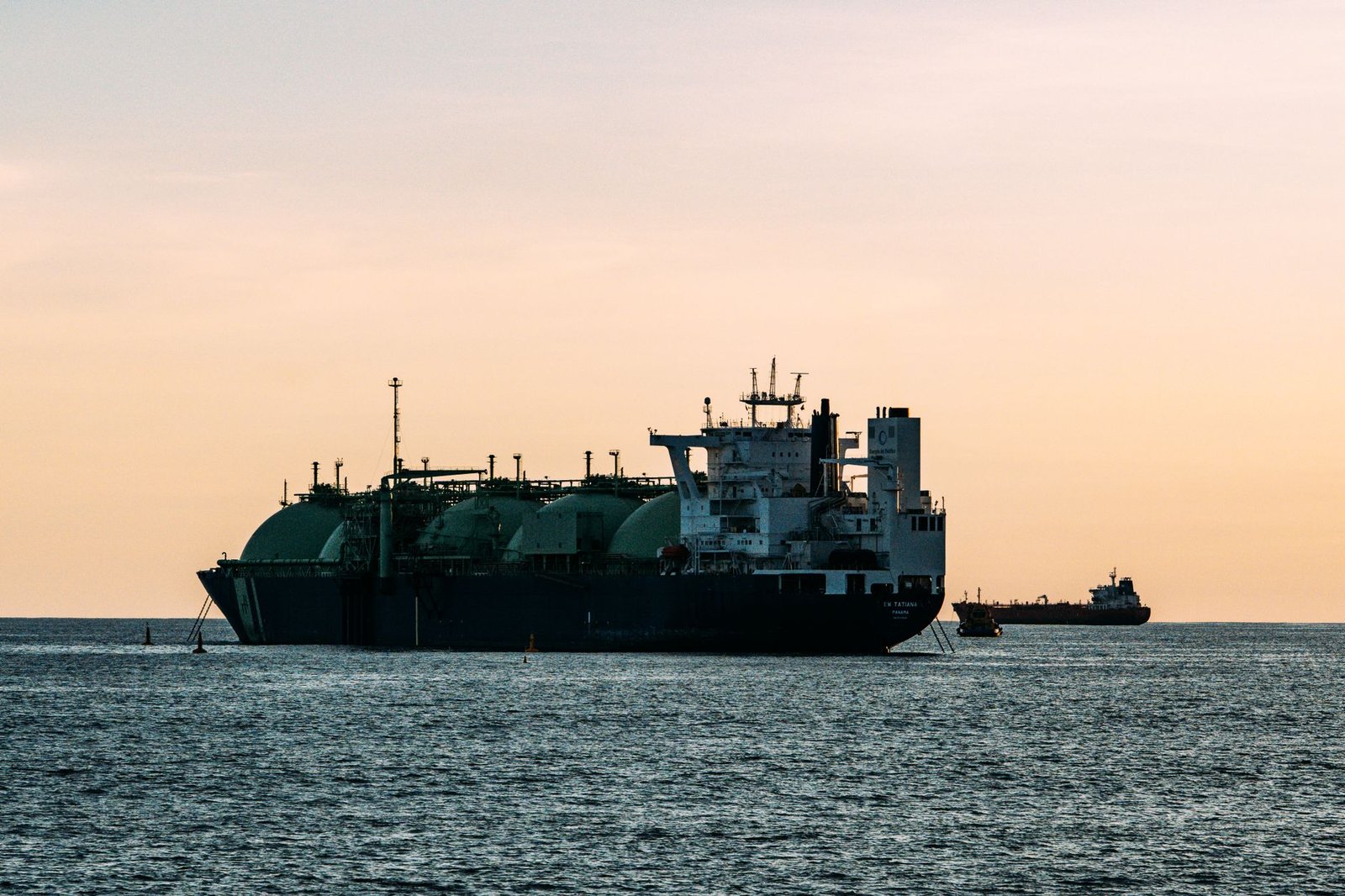
The first phase leverages a floating liquefied natural gas (FLNG) unit to process and export gas to global markets. Initial output targets hover around 2.3 million tons of LNG annually. Kosmos reports steady progress toward full capacity following technical commissioning last year and the dispatch of its maiden cargo shipments.
Kosmos Energy responds to Senegal’s evolving policy stance
Since President Bassirou Diomaye Faye and Prime Minister Ousmane Sonko took office in March 2024, Dakar has intensified scrutiny of legacy contracts perceived as skewed against national interests. This assertive posture introduced uncertainty for international operators, including Kosmos and bp.
Kosmos’s latest disclosure aims to restore confidence by reaffirming operational timelines and partnership stability with both governments. While technical talks continue on future expansion phases, the company has scaled back some growth projections. Financial analysts have noted a gap between early-stage production volumes and original forecasts during the initial months of operation.
Full-scale GTA output promises substantial fiscal returns for both nations. Senegal anticipates billions of CFA francs in annual revenue once plateau capacity is reached. These funds are earmarked for the intergenerational savings fund and the national budget—key pillars of Dakar’s natural resource governance framework.
Phase two ambitions hinge on local content and energy sovereignty
Beyond the first phase, attention shifts to GTA’s expansion. Plans to lift annual capacity to roughly 3 million tons remain pending final agreements among industry partners and governments. Kosmos has indicated ongoing feasibility studies, though no fixed timeline has been confirmed. Global LNG price volatility and the operator’s debt reduction strategy further complicate the outlook.
Local content remains a priority for both Dakar and Nouakchott. Senegal’s government is pushing for deeper integration of domestic enterprises across the value chain, from industrial subcontracting to logistics services. Prime Minister Sonko has also floated the idea of diverting a portion of gas output to domestic power generation, particularly for thermal plants, to curb energy import costs.
Yet policymakers face constraints imposed by existing contracts and the need to maintain investor confidence in the MSGBC sedimentary basin. Several adjacent blocks remain under exploration, and the handling of Kosmos and bp’s operations will set a precedent for future deals. Senegal’s gas ambitions are being tested not only in the FLNG’s operational control room but also in the corridors of power in Dakar.