The government of Senegal is preparing to take legal action against major oil firms BP and Woodside. This decisive move comes as the country seeks to renegotiate terms of oil and gas contracts signed in recent years.
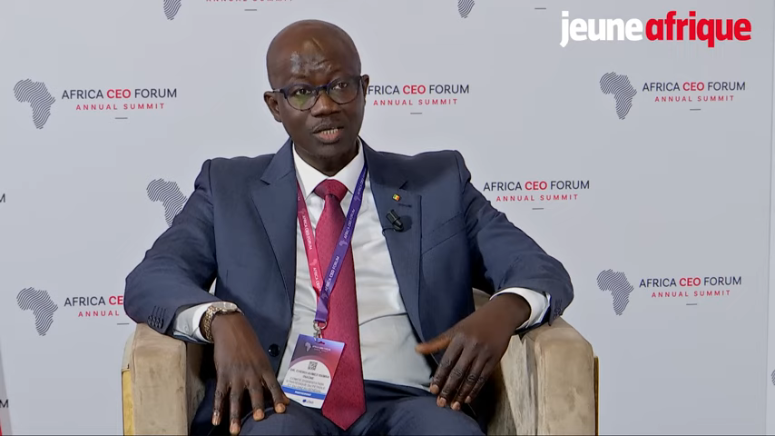
Khadim Bamba Diagne, Permanent Secretary of the Strategic Orientation Committee for Petroleum and Gas, made this announcement during the Africa CEO Forum. He emphasized that Dakar is fully prepared to explore all available options, including international arbitration, to secure fairer agreements that better reflect Senegal’s interests.
why the urgency to renegotiate?
The push for renegotiation stems from concerns over long-term concessions granted to foreign companies. BP and Woodside hold exploration and production rights spanning 30 to 50 years, and officials argue that correcting imbalances early is crucial to avoid entrenched injustices.
One of the most pressing issues is the impact of offshore drilling on Senegal’s fishing industry. Over 600,000 to 700,000 Senegalese depend on fishing for their livelihood. Officials stress that a responsible government cannot allow foreign corporations to profit from Senegalese resources while imposing environmental and economic costs on local communities.
Diagne criticized the existing model, where African nations bear the brunt of negative externalities while international firms capture most of the financial benefits. He highlighted that rising global hydrocarbon prices have intensified the urgency for Senegal to secure a more equitable share of revenue and protect its economic interests.
arbitration as a strategic tool
The proposed arbitration could set a legal precedent for future oil and gas contracts. Senegal has begun extracting oil and gas but lacks clarity on the long-term duration of these operations. Establishing clear rights and obligations now is essential to prevent disputes and ensure sustainable benefits for the country.
The government’s stance reflects a broader shift toward asserting sovereignty over natural resources. By pursuing arbitration, Senegal aims to create a fairer framework that aligns with its development goals and protects the interests of its people.