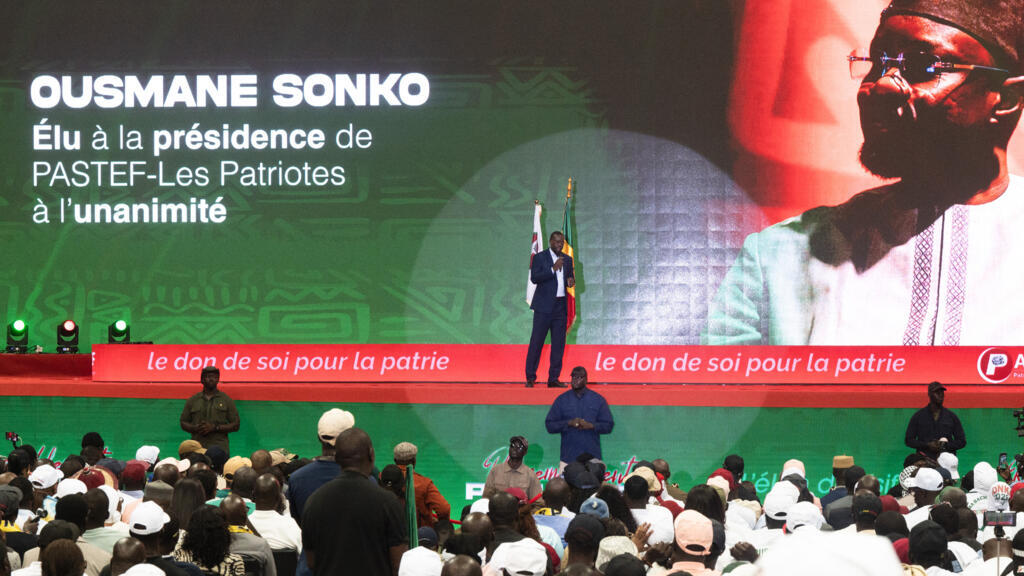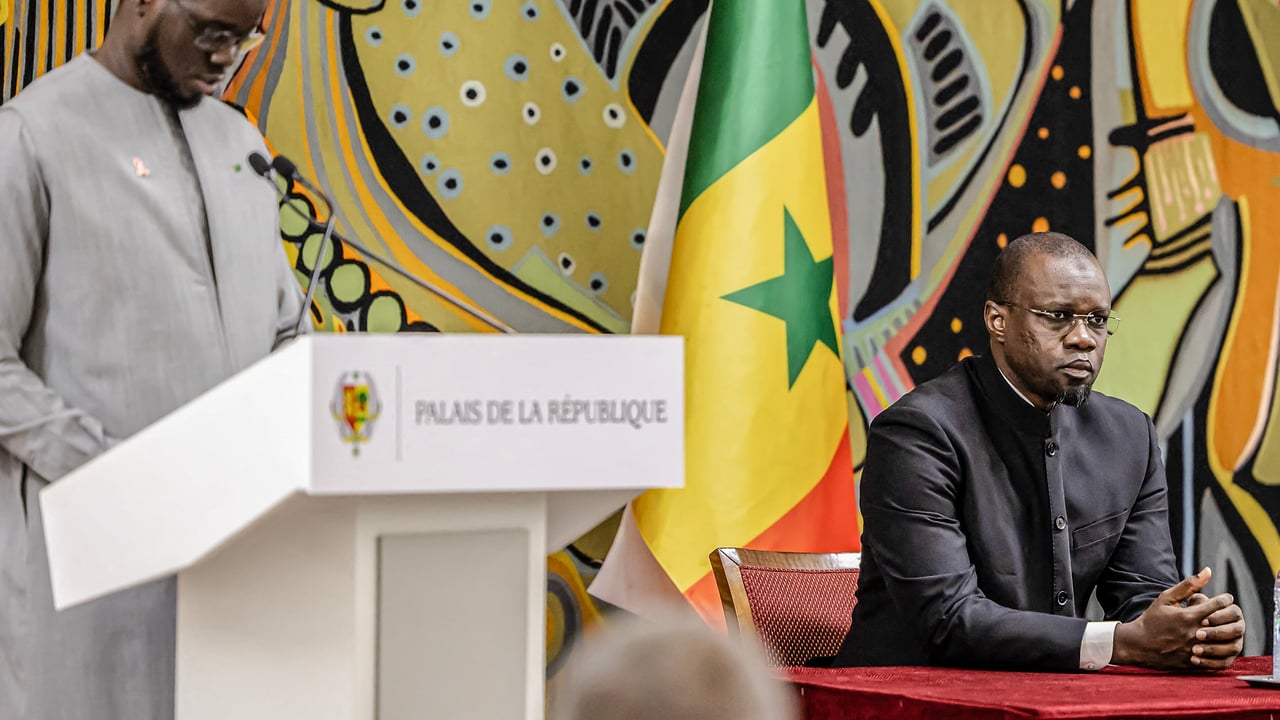
In Senegal, the declaration of assets has once again emerged as a critical benchmark for the credibility of the executive branch. Recent reports from Dakar suggest that several ministers in the government may have failed to comply with this legal requirement, despite transparency in asset declaration being a cornerstone of President Bassirou Diomaye Faye and Prime Minister Ousmane Sonko’s administration since their inauguration in April 2024. This issue transcends mere administrative protocol, casting a shadow over the government’s stated commitment to accountability.
The legal framework governing asset declarations in Senegal is anchored in the 2014 law that established the National Office for the Fight Against Fraud and Corruption (OFNAC). This law mandates that a specific group of high-ranking public officials must submit a comprehensive inventory of their assets upon taking office and again upon leaving their positions. The list includes the President of the Republic, the Prime Minister, ministers, heads of institutions, and administrators managing funds exceeding one billion CFA francs.
Strict legal deadlines and consequences
The law is unequivocal about the timeline: officials have a three-month window after their appointment to file their declarations with OFNAC. Failure to meet this deadline renders their compliance status legally vulnerable. According to reports from the Senegalese press, several ministers appointed in the 2024 government reshuffle may now find themselves out of compliance.
The repercussions of non-compliance are far from trivial. OFNAC is empowered to issue a formal notice to delinquent officials. If the non-compliance persists, the institution can escalate the matter to the judiciary. Those found in violation may face penalties, including suspension of salary and, in severe cases, criminal prosecution. While the system is designed to deter misconduct, its effectiveness has often been scrutinized.
Political stakes for the current administration
The stakes are particularly high because the fight against illicit enrichment and accountability were central themes of the Pastef party’s election campaign. The new administration has already launched multiple proceedings against former officials from the Macky Sall regime, leveraging tools like OFNAC and the financial prosecutor’s office. If ministers within the current government are found non-compliant, it would undermine the moral high ground the administration has sought to establish.
OFNAC, now led by a magistrate following its restructuring, possesses the theoretical authority to enforce these rules. However, the true test lies in the political will to follow through, especially given that past reports from the institution have consistently highlighted a low compliance rate among officials, including those in previous administrations. The most recent public report noted hundreds of pending declarations, with a significant portion never filed.
Regional momentum for asset transparency
Senegal’s experience reflects a broader West African trend. Countries like Côte d’Ivoire, Bénin, and Burkina Faso have all adopted similar asset declaration laws in recent years, driven by protocols from ECOWAS and the African Union aimed at combating corruption. However, implementation remains inconsistent across the region, often hindered by bureaucratic resistance and a lack of transparency in the declarations themselves.
In Dakar, civil society groups such as the Forum Civil, the Senegalese branch of Transparency International, have long advocated for the public disclosure of asset declarations, akin to practices in some European democracies. Yet, this demand clashes with Senegal’s legal framework, which restricts access to declarations to authorized authorities only and imposes criminal penalties for unauthorized disclosure.
As the situation unfolds, the government faces a clear dilemma. Either the non-compliant ministers rectify their status promptly, allowing the issue to fade, or OFNAC proceeds with formal procedures, opening a politically costly chapter for an administration that has staked its reputation on integrity. The credibility of Senegal’s anti-corruption agenda hinges on how this scenario plays out.