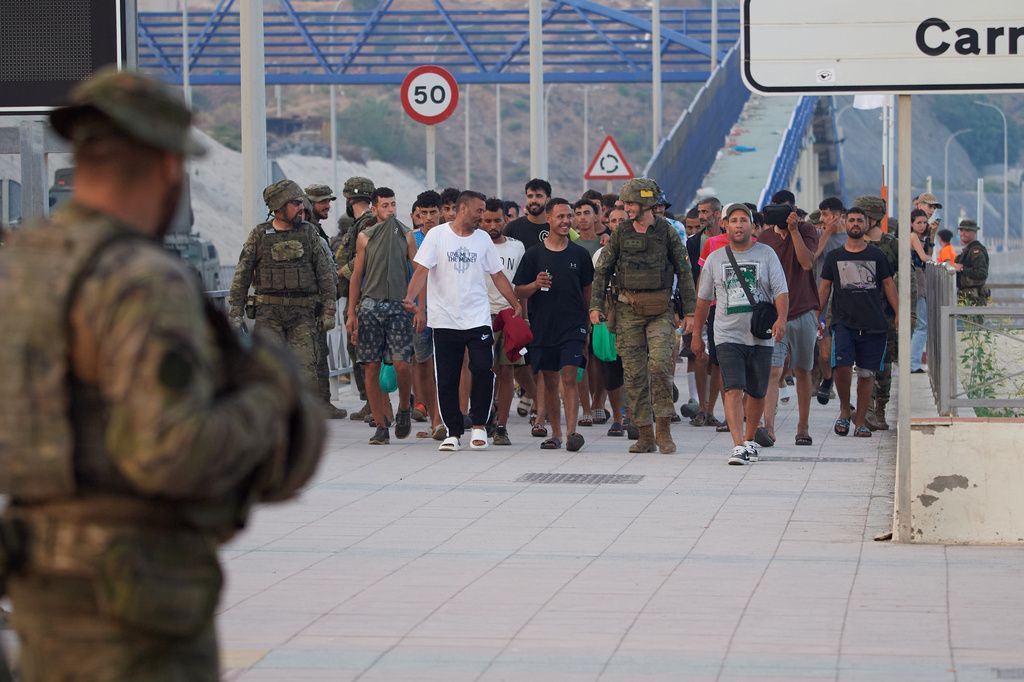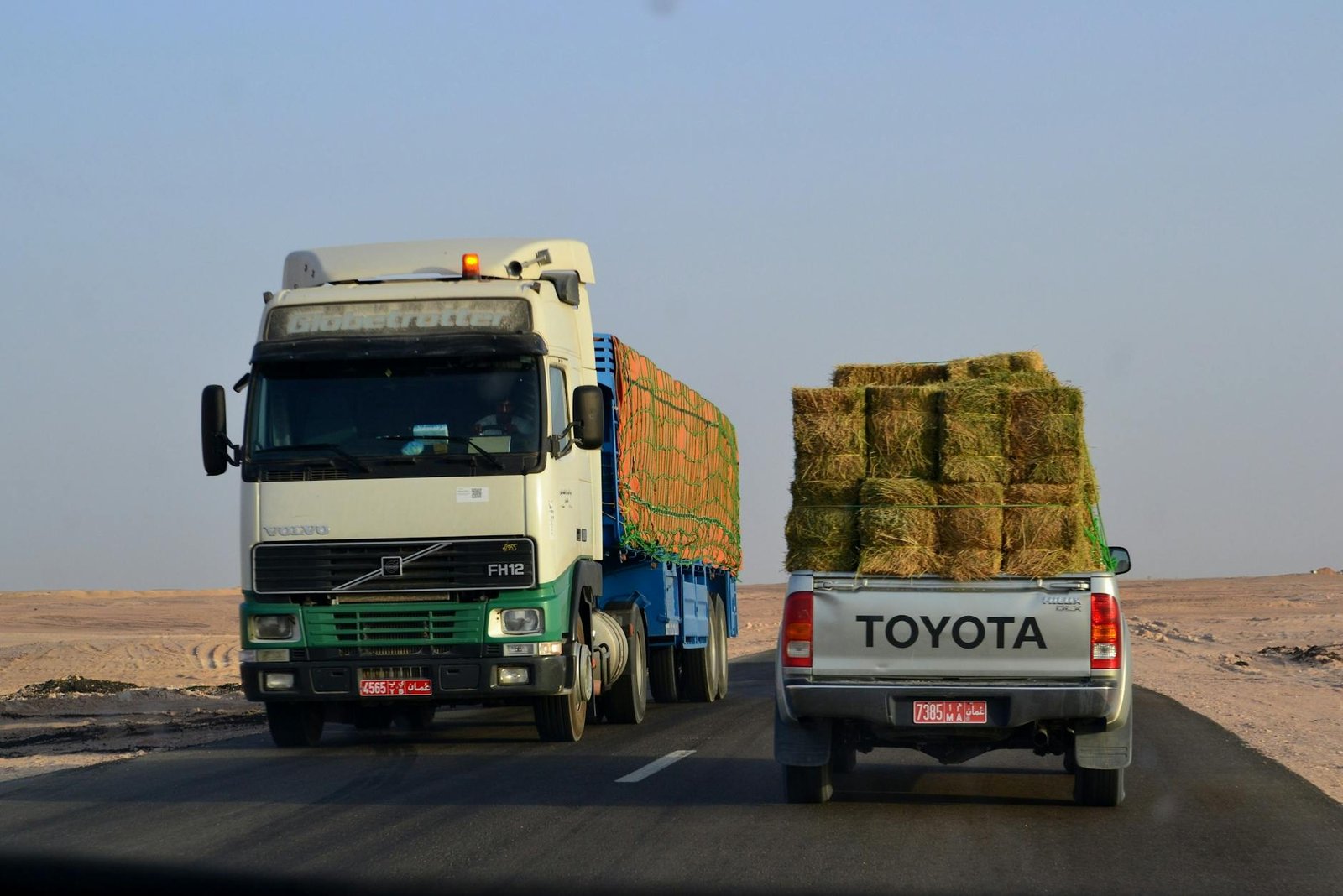
The Republic of Chad is reviving its efforts to modernize transit corridors connecting N’Djamena to Douala and Bangui, aiming to enhance trade flows between Cameroon, Chad, and the Central African Republic (CAR). This initiative targets the CEMAC region’s economic integration, addressing critical issues like food security and logistical efficiency that revolve around the Port of Douala—the primary gateway for both landlocked nations.
Critical arteries for landlocked economies
For Chad and the Central African Republic, the Douala corridor is the lifeline for imports and exports. Over 90% of Chad’s imports pass through Douala, the subregion’s deepest-water port, while the 1,800-kilometer route from Douala to N’Djamena underpins most of its foreign trade. Any disruptions—whether due to poor road conditions, bureaucratic hurdles, or security threats—immediately spike consumer prices in Chad’s capital. The Douala-Bangui corridor faces similar challenges, compounded by a decade of instability in northeast CAR. Transport delays can stretch to weeks in some sections, far exceeding the theoretical 10-day timeline, eroding the competitiveness of goods and deterring investors. Despite funding from institutions like the World Bank and the African Development Bank (AfDB) for key road segments, systemic inefficiencies persist.
N’Djamena’s strategic economic diplomacy
By relaunching these corridor projects, Chadian authorities are signaling a renewed political commitment. This move aligns with President Mahamat Idriss Déby Itno’s broader regional strategy to strengthen Chad’s influence. N’Djamena seeks to negotiate better transit terms with Yaoundé, addressing port tariffs, convoy security, and the harmonization of customs procedures. Bilateral talks have already begun to reduce checkpoints, streamline cargo tracking via electronic systems, and minimize bureaucratic red tape. CAR, equally dependent on Douala’s port, supports these efforts, as trilateral coordination could unlock shared investments and present a unified stance to international partners. However, turning political will into action is hindered by severe budget constraints across all three countries.
Key hurdles to sustainable corridor integration
Beyond political declarations, structural reforms are essential. Transport bottlenecks, including redundant roadblocks and informal levies, inflate costs and fuel corruption along Cameroonian and Chadian routes. The long-awaited joint border post between Kousséri and N’Djamena remains stalled. Security risks further complicate logistics: the Lake Chad Basin is still plagued by Boko Haram-affiliated groups, while northern CAR’s instability disrupts transit. Without lasting security, logistical promises will remain fragile. Meanwhile, competition from Nigeria’s Port Harcourt—and Cameroon’s Kribi deep-water port—could reshape regional trade. Kribi, in particular, may absorb some of Douala’s traffic, necessitating a broader reassessment of supply chains.
The Chadian initiative holds immense potential but demands decisive action. Success hinges on transforming political pledges into bankable projects, backed by international funding and robust governance reforms.