Senegal political shift: Ousmane Sonko named Assembly president as new PM takes office
Breaking news.
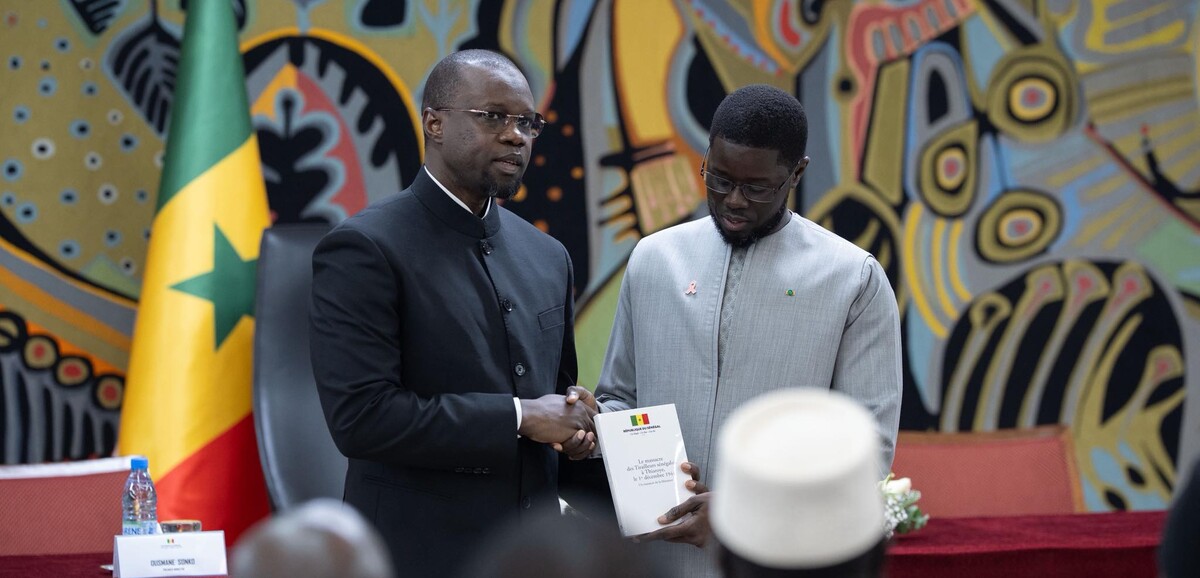
Just five days after his removal as Prime Minister, Ousmane Sonko has been elected President of Senegal’s National Assembly. Meanwhile, President Bassirou Diomaye Faye has appointed a new Prime Minister to lead the government. The political landscape in Dakar is rapidly evolving as new leadership takes shape.
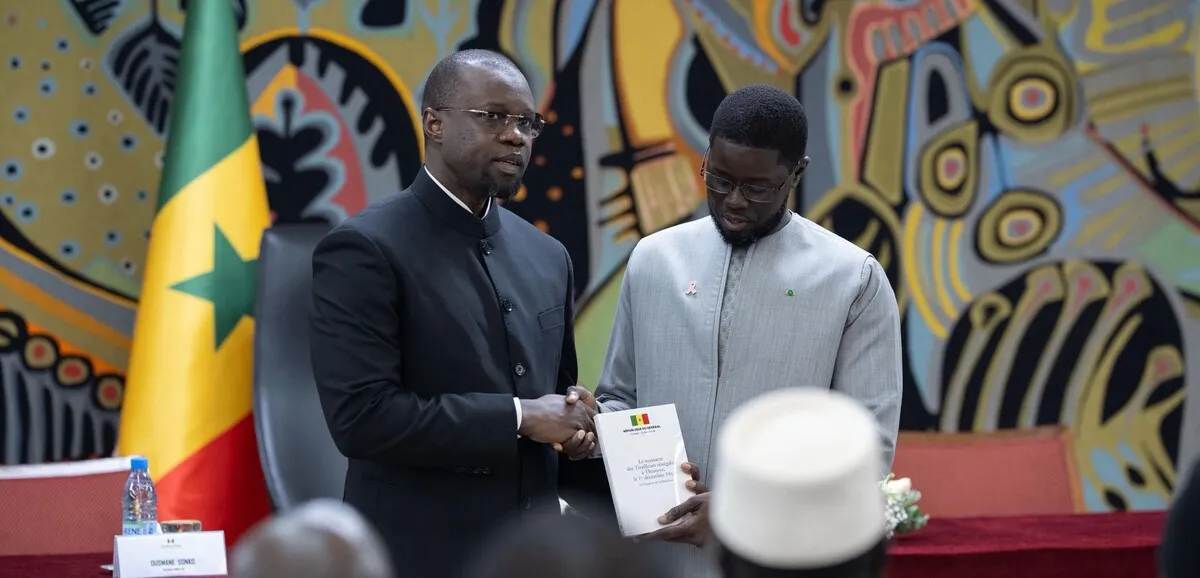
From Prime Minister to Assembly Speaker: Ousmane Sonko’s rapid return
After his dismissal from the Prime Minister’s office, Ousmane Sonko has made a swift comeback to national politics by securing the Assembly presidency. His election has sparked debate, particularly regarding the legal and procedural steps that allowed his reinstatement as a deputy. Sonko, who led the victorious 2024 electoral list, initially chose to serve as Prime Minister before his removal. Following his exit from government, he sought to reclaim his parliamentary seat, raising constitutional questions that continue to stir discussion among legal experts.
Amadou Al-Aminou Lo takes helm as new Prime Minister
The President has selected Amadou Al-Aminou Lo, a seasoned economist and former central bank executive, to lead the government. Lo, who previously served in government, brings strong technical expertise in finance and monetary policy—critical skills in Senegal’s current economic climate. His appointment reflects a strategic choice aimed at stabilizing the nation’s financial direction while navigating global economic challenges.
Sonko, addressing the Assembly shortly after his election, highlighted Lo’s qualifications, noting their prior collaboration when Lo served as Secretary-General of the government under Sonko’s leadership. While some expected a more politically driven appointment, the President’s decision underscores the importance of technical proficiency in addressing pressing economic concerns.
Government formation and the call for dialogue
Sonko’s remarks also emphasized the need for inclusive governance, expressing regret that the PASTEF party was not consulted on the Prime Minister’s selection. As leader of the majority party in the Assembly, he stressed that his party’s perspectives should be considered in shaping national policy. His statements signal a willingness to engage in constructive dialogue, though the final composition of the government will ultimately determine the extent of that collaboration.
The incoming administration faces urgent challenges, including economic recovery, accountability in governance, and delivering on the promises that resonated with voters. Sonko’s insistence that “you cannot do politics in Senegal without PASTEF” reflects the party’s central role in the nation’s political future. Observers will closely monitor whether key PASTEF figures, including former ministers from Sonko’s government, are retained in the new cabinet.
The President’s choice of a technically adept leader, combined with Sonko’s conciliatory tone, suggests an effort to balance governance with political realities. Whether this approach fosters stability or fuels further debate remains to be seen as Senegal navigates this pivotal moment in its political trajectory.