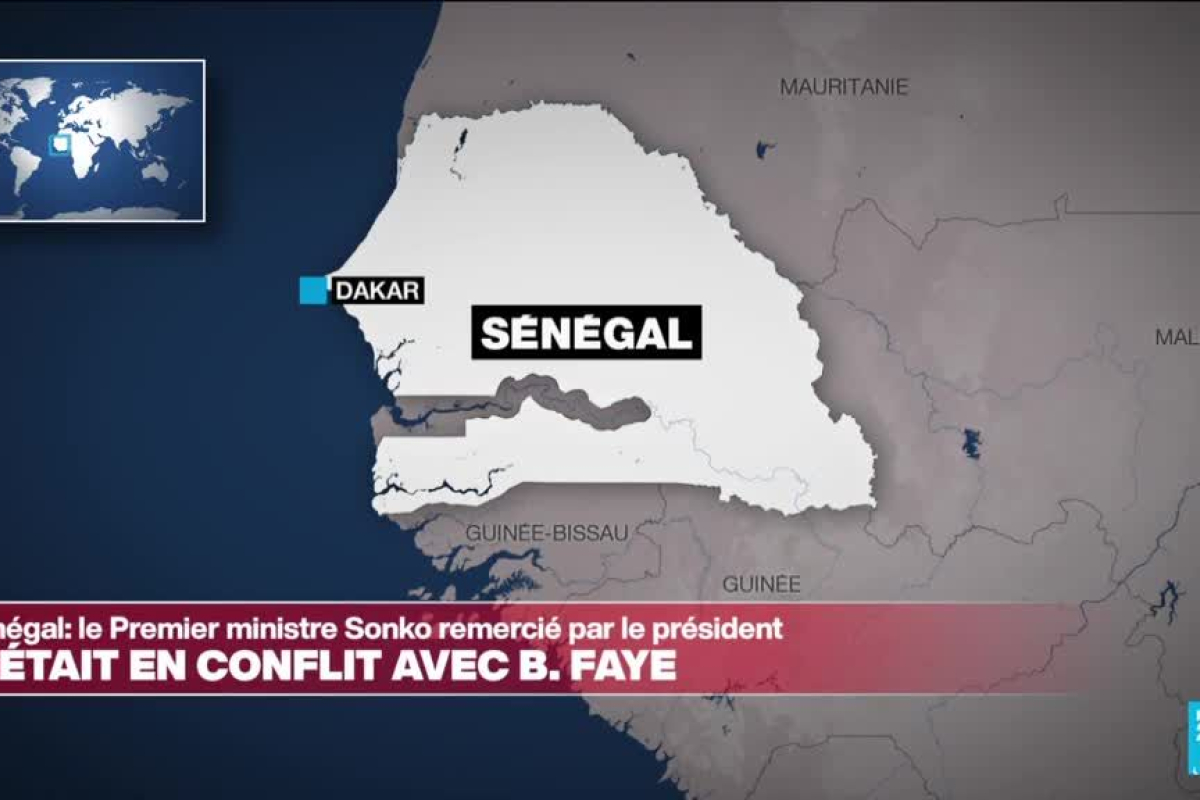
Sénégal: President Bassirou Diomaye Faye relieves Ousmane Sonko of prime minister duties
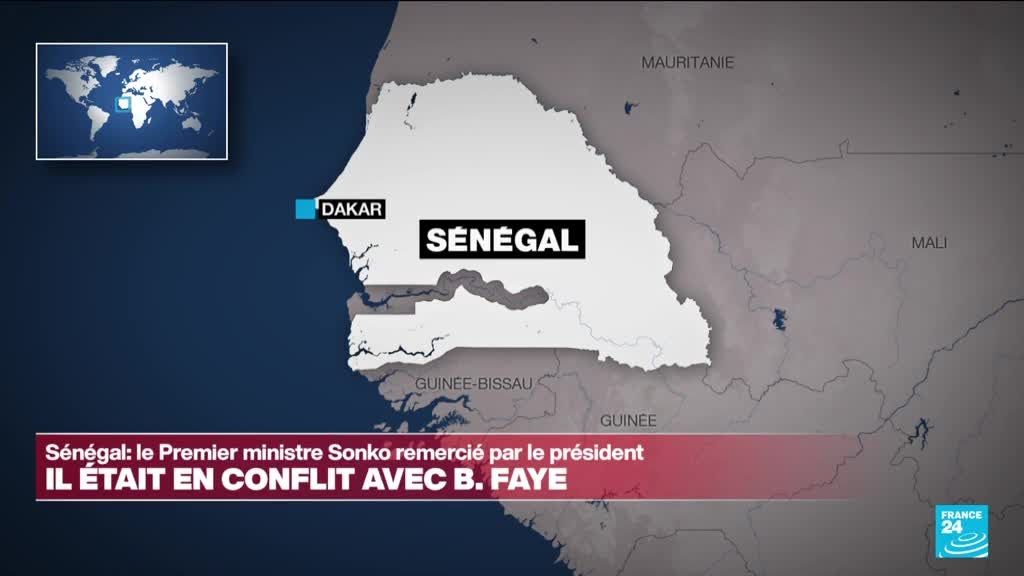
In a decisive move late Friday, President Bassirou Diomaye Faye of the Sénégal terminated the mandate of his long-time ally and former Prime Minister Ousmane Sonko, marking the end of a partnership that had once embodied the nation’s collective aspirations for change.
The decision comes after months of escalating disagreements between the two leaders, whose rise to power in April 2024 was fueled by widespread public enthusiasm for reform and renewal. The relationship between the president and his ex-premier, who had been a key figure in their shared political journey, had visibly frayed over time.
What led to the split?
The rift between the two leaders was no sudden occurrence. It reflected deeper divergences in governance priorities, policy approaches, and the strategic direction of the country. While both had been instrumental in reshaping the political landscape, their visions for Sénégal increasingly diverged, creating friction in their collaboration.
Public statements and internal discussions had hinted at growing unease, though the exact triggers behind the president’s decision remain unconfirmed. What is clear, however, is that the move signals a major shift in the country’s leadership dynamics, with potential ripple effects across the political spectrum.
Implications for Sénégal’s political future
The dismissal of Ousmane Sonko as prime minister is more than a personnel change—it represents a turning point in the nation’s post-election trajectory. Sonko, a charismatic figure known for his grassroots support and reformist stance, leaves behind a complex legacy of political mobilization and ideational influence.
The coming days will be critical in understanding how the president reshapes his cabinet and redefines his administration’s priorities. Observers are closely watching whether this decision will unite or further divide the ruling coalition, and how it will impact public confidence in the government’s ability to deliver on its promises.
With Sénégal still navigating the challenges of economic recovery and social cohesion, the leadership transition raises questions about stability, continuity, and the future of democratic governance in the country.