The Senegalese government is taking decisive steps to optimize its public assets, targeting 25 completed infrastructures that have yet to deliver any meaningful service. These underutilized facilities represent a combined value of 279 billion West African CFA francs—an enormous sum that remains economically and socially unproductive. The initiative highlights a persistent issue in public procurement: the disconnect between project completion and actual operationalization.
Targeted audit to revive dormant assets
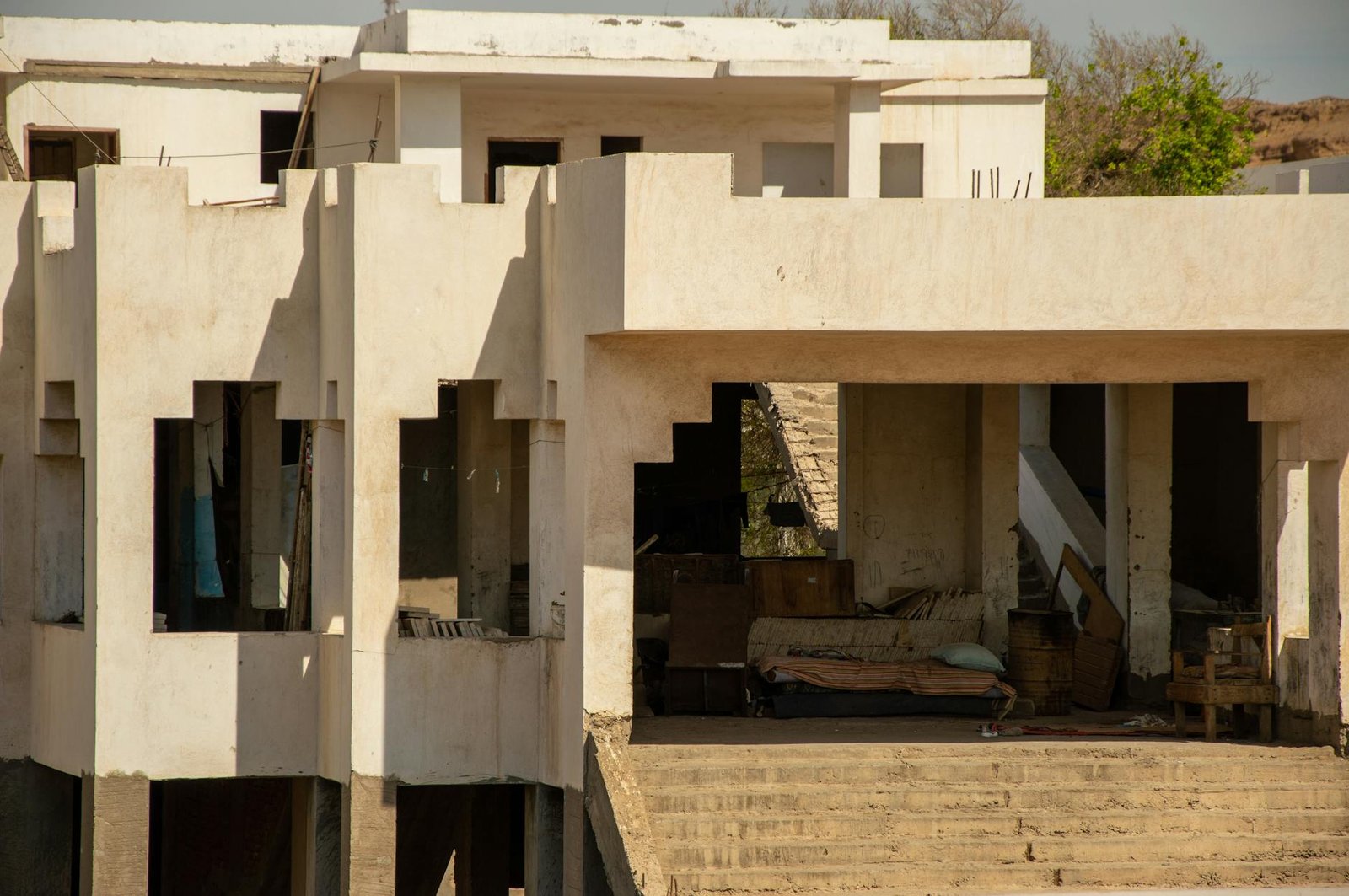
This nationwide assessment focuses on state-owned properties that, despite being structurally sound, remain idle. These include government buildings, sector-specific facilities, and economic infrastructure that fail to generate returns without proper utilization. The prolonged inactivity not only squanders potential revenue but also incurs recurring costs such as security, minimal maintenance, and accelerated deterioration due to neglect.
Dakar’s strategy revolves around reintegrating these assets into productive or administrative use through redeployment, inter-agency sharing, or private partnerships. A meticulous review of each infrastructure is underway to pinpoint why they remain unused. Common obstacles include absent operational funding, unassigned post-construction purposes, or inadequate logistical planning by project owners.
Budgetary pressures driving fiscal discipline
The timing of this audit reflects broader fiscal priorities. Since assuming office in 2024, the government has prioritized financial transparency and expenditure control. By unlocking the value of these already-funded assets, Senegal aims to ease its debt burden and reduce reliance on external borrowing. Redirecting 279 billion CFA francs back into circulation provides fiscal breathing room without imposing new tax hikes or borrowing.
This effort aligns with ongoing reviews of public contracts and parapublic entities, reinforcing a clear principle: before seeking additional revenue or launching new projects, existing resources must be leveraged. The initiative echoes long-standing critiques from the Cour des comptes, which has repeatedly flagged post-delivery management failures in Senegal’s public procurement processes.
Strengthening project governance and accountability
The audit underscores a fundamental flaw in infrastructure project governance. Delivery marks only the beginning of an asset’s lifecycle—not its end. Yet, Senegal’s public sector often segments the process across ministries and agencies, creating accountability gaps. International financial partners have long advocated for streamlined responsibility chains, from feasibility studies to service activation.
For the 25 affected sites, multiple pathways are under consideration. Some could be reassigned to government agencies currently renting private office spaces, yielding immediate cost savings on leases. Others may be privatized or concessioned under strict contractual terms. A third option involves addressing missing components—equipment, staffing, or utility connections—to fulfill their original purpose. Each scenario will be evaluated independently, with decisions shaped by budgetary constraints and operational feasibility.
This initiative serves as a litmus test for Senegal’s administrative efficiency. Success hinges on transparent progress tracking and verifiable performance metrics. By demonstrating tangible results, Senegal could set a regional benchmark for combating ghost infrastructure—a persistent drain on public investment across West Africa.