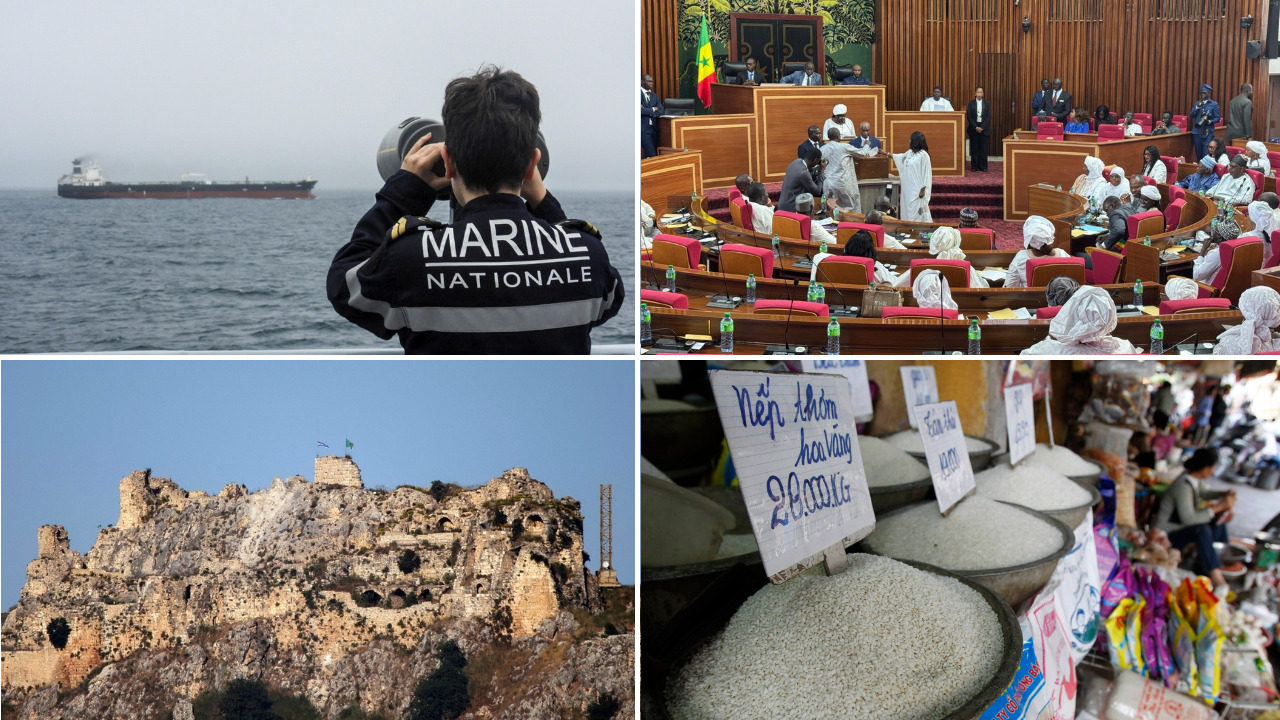
Current events are moving rapidly across the globe, from political shifts in West Africa to strategic military movements in the Middle East and the tightening grip of international sanctions in the Atlantic. We examine the refusal of Sénégal’s majority party to join the new administration, the fall of a historic fortress in Liban, and the economic ripple effects hitting dinner tables worldwide.
Sénégal: internal friction as Pastef distances itself from the new cabinet
The political landscape in Sénégal took a surprising turn following the announcement of a new 30-member government by Prime Minister Ahmadou Al Aminou Mohamed Lô. Conspicuously absent from this lineup are the prominent figures of Pastef and those closely aligned with former Prime Minister Ousmane Sonko. Despite holding a majority in the National Assembly, the party has cited deep-seated “points of disagreement” as the reason for their non-participation.
This raises critical questions about the stability of the new administration. While the party leadership remains outside, five members of Pastef have nonetheless taken positions within the government. This internal split has sparked intense debate over whether these individuals will face disciplinary measures or potential expulsion from the party for defying the collective stance.
Liban: the strategic and symbolic fall of Beaufort Castle
In Southern Liban, the Israeli military has successfully seized the Beaufort fortress, an event Prime Minister Benjamin Netanyahu hailed as a “spectacular milestone” and a “decisive turning point.” The capture of this ancient citadel is more than just a symbolic victory; it provides a significant tactical advantage in ongoing operations against Hezbollah. Understanding why this specific location is so vital reveals the broader military objectives currently unfolding in the region.
France: intercepting the Russian shadow fleet in the Atlantic
The French Navy, in a coordinated effort with British partners, recently intercepted a Russian oil tanker in the Atlantic Ocean. The vessel was operating under a Cameroonian flag, a common tactic used by the so-called “ghost fleet” that Moscow employs to circumvent Western sanctions. This operation sheds light on the complex methods used to track these elusive ships, which allow Russia to continue exporting petroleum products despite international restrictions. Experts estimate this parallel fleet has grown significantly as the conflict in Ukraine persists.
Rice: how Middle Eastern tensions are driving up food costs
Rice remains a cornerstone of global nutrition, with approximately 14,000 kilograms consumed every single second. However, the escalating crisis in the Middle East, particularly involving Iran, has caused market prices to skyrocket by nearly 20% in recent weeks. As one of the world’s most essential cereals, the volatility of rice prices poses a threat to food security. Whether these costs will stabilize or continue their upward trajectory depends heavily on the geopolitical climate in the coming months.