Sénégal’s debt crisis sparks urgent national debate
Dakar recently hosted a landmark two-day International Conference on Senegal’s Debt Crisis, titled “Senegal’s Debt Crisis: Toward Sustainable, Progressive Solutions Beyond IMF Austerity”. The event brought together economists, financial experts, and former government ministers to examine alternatives to traditional debt management strategies.
IMF policies under scrutiny as root cause of debt problems
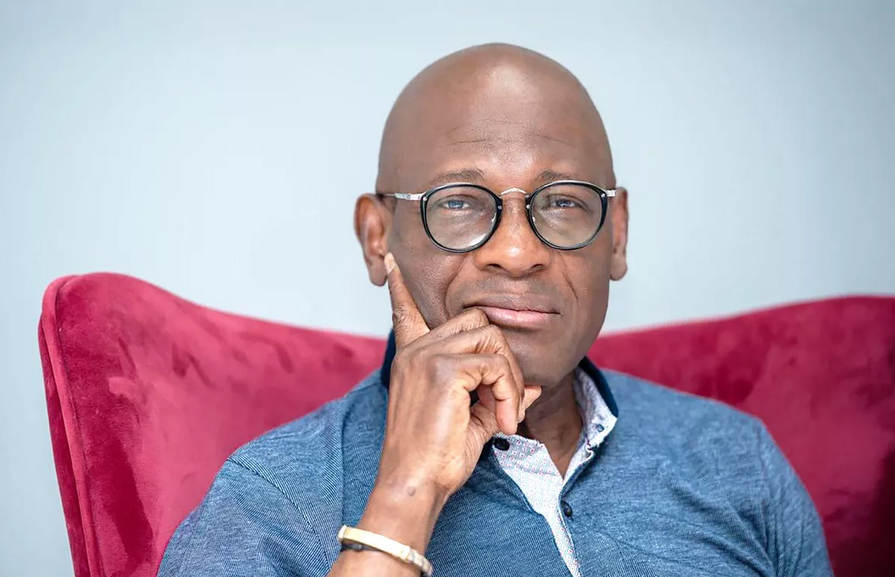
Leading economist Ndongo Samba Sylla, Regional Director for Africa at International Development Economics Associates (Ideas), delivered a scathing assessment of IMF policies. According to Sylla, the Fund’s approach not only fails to resolve debt crises but actively perpetuates them through what he terms “creditor-friendly policies.”
“The IMF cannot be the solution to Senegal’s debt crisis because it is partly responsible for creating it,” Sylla asserted. “The IMF maintains external debt traps, following a pro-creditor approach that serves the geopolitical interests of the United States and France. The countries most indebted are typically those allied with these powers, which control global financial systems.”
regional cooperation emerges as key solution
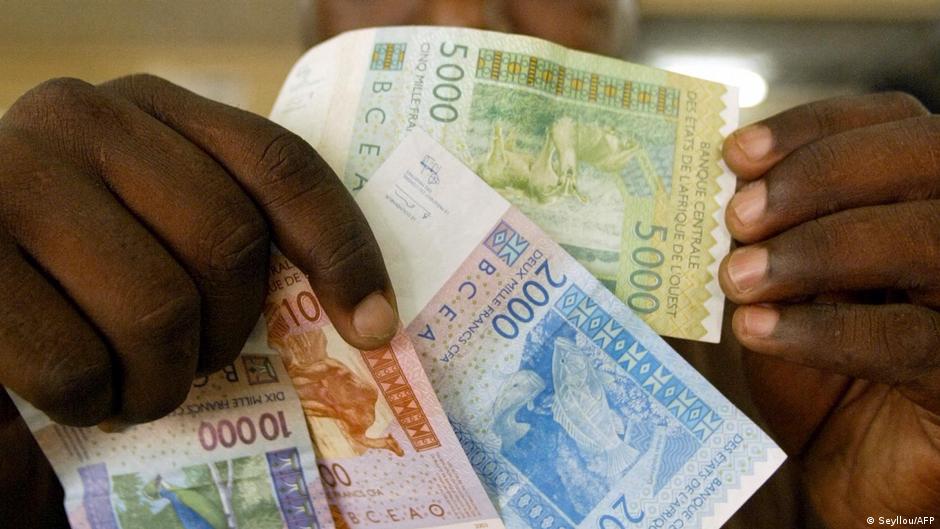
While Sylla emphasized the structural issues of the CFA franc, Alioune Tine, Founder of the Afrikajom Center, argued that debt challenges fundamentally stem from political rather than purely economic factors. Tine advocates for a united African response to debt crises.
“The debt issue must be addressed collectively by all indebted African nations,” Tine stated. “Only through regional solidarity can we muster the strength to reject austerity measures that stifle our economic growth and development.”
Senegal’s debt exceeds 130% of GDP
In late 2024, Senegalese Prime Minister Ousmane Sonko exposed significant “hidden debt” and budgetary irregularities inherited from the previous administration. These revelations were later corroborated by the IMF, which estimates Senegal’s debt at over 130% of GDP.
Many experts, including Sylla, now call for the cancellation of this debt, arguing that “illegal debts should not be repaid.” He further contends that with proper monetary policy, even legitimate debts could be managed without crippling state budgets.
Alioune Tine urges moving beyond emotional reactions to focus on pragmatic solutions, emphasizing that “in today’s globalized world, no nation operates in isolation. We must recognize our interdependence and adapt our strategies accordingly.”
government announces transparency measures
Senegal’s ruling party, Pastef-Les Patriotes, has unveiled plans to enhance debt oversight. Ayib Daffé, Leader of the Pastef parliamentary group, stresses the need for stronger parliamentary control over debt management and budget execution to prevent future irregularities.
“To prevent repetition of past mistakes, we must strengthen parliamentary oversight of debt and ensure budget laws adhere to fiscal transparency principles,” Daffé explained.
Meanwhile, President Bassirou Diomaye Faye met with IMF Managing Director Kristalina Georgieva in Nairobi on Tuesday. The meeting aimed to “explore viable solutions to Senegal’s prolonged economic crisis,” according to official sources.