The Prime Minister of Senegal, Ousmane Sonko, has presented a comprehensive assessment of ongoing infrastructure projects, highlighting 245 assets and initiatives that remain unutilized, require completion, or could be repurposed for greater efficiency.
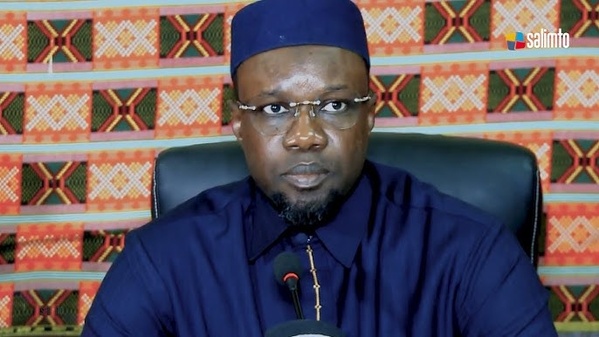
During a high-level interministerial council meeting, Mr. Sonko revealed that the inventory was compiled following a Council of Ministers directive issued in mid-April, urging department heads to document all infrastructure projects under their jurisdiction. The findings were published in an official government report.
key infrastructure categories identified
The assessment categorizes the infrastructure landscape into four distinct groups:
- Dormant assets: 30 completed projects that remain unused, including 25 facing significant delays, with frozen investments totaling 279 billion West African CFA francs. Fifteen of these are flagged as high-priority due to their financial impact and the nature of the bottlenecks.
- Repurposable assets: 23 active projects across eight sectors, managed by 13 entities, with an estimated value of 1,065 billion West African CFA francs.
- Projects under construction: 94 initiatives requiring completion, of which 62 are stalled. The total investment for these projects stands at 5,227 billion West African CFA francs, with an additional 973 billion needed to finalize them.
- Recyclable state properties: 97 real estate and land holdings, primarily located in Dakar, valued at 132 billion West African CFA francs. Renovation costs for these properties are estimated at 12.1 billion West African CFA francs.
root causes of project blockages
Ousmane Sonko identified multiple factors contributing to the delays and inefficiencies in infrastructure delivery:
- Financial constraints: 42 projects are stalled due to insufficient investment funds, unpaid invoices, or default payments, leading to halted construction, missing equipment, or operational budget deficits.
- Technical and coordination failures: 18 projects face delays attributed to poor coordination between project owners and utility providers (water, electricity, telecommunications), resulting in incomplete technical work, delayed deliveries, missing installations, or abandoned buildings.
- Legal and administrative hurdles: 14 projects are delayed by unresolved legal disputes, canceled contracts, pending administrative approvals, or lack of formal institutional status.
- Operational oversights: 13 projects, some completed years ago, remain unused due to the absence of operational or management models, creating paradoxical situations where infrastructure exists but serves no purpose.
The Prime Minister emphasized that these inefficiencies have resulted in significant financial losses, exacerbated by mismatches between infrastructure supply and actual needs, formal handovers not being completed, and weak inter-institutional collaboration.
government response and next steps
To address these challenges, Ousmane Sonko announced decisive measures:
- The establishment of a dedicated committee within the Prime Minister’s Office to finalize and expand the infrastructure inventory, acknowledging that the current assessment may not capture all relevant cases.
- A formal request to ministries to intensify efforts in identifying additional assets and projects that could benefit from repurposing or accelerated completion.
- A call for proactive measures to anticipate technical challenges, particularly in connecting new infrastructure to water and electricity networks.
Sonko criticized the lack of foresight in infrastructure planning, noting that many projects fail because their operational frameworks are not considered during construction. He condemned the negligence and laxity plaguing project execution, stressing the need for a zero-tolerance policy toward delays and mismanagement. “The consequences of these failures are unacceptable,” he stated, urging immediate corrective action to prevent further losses.