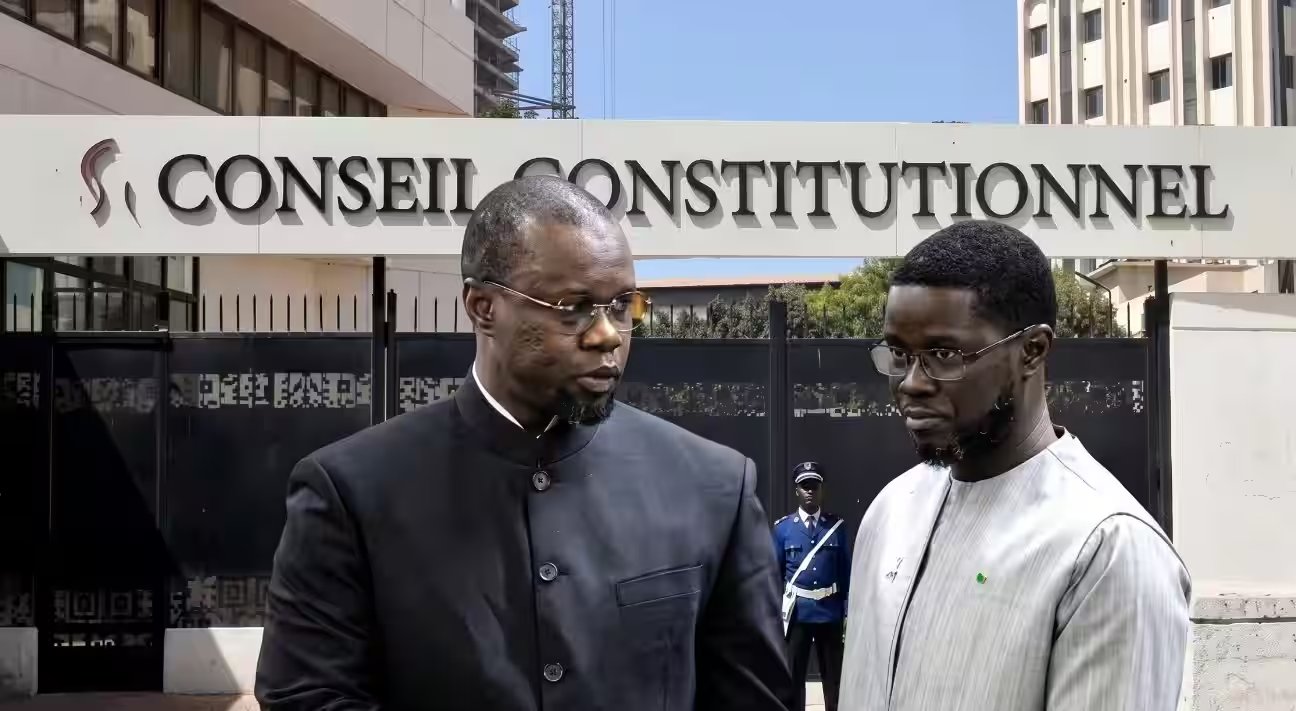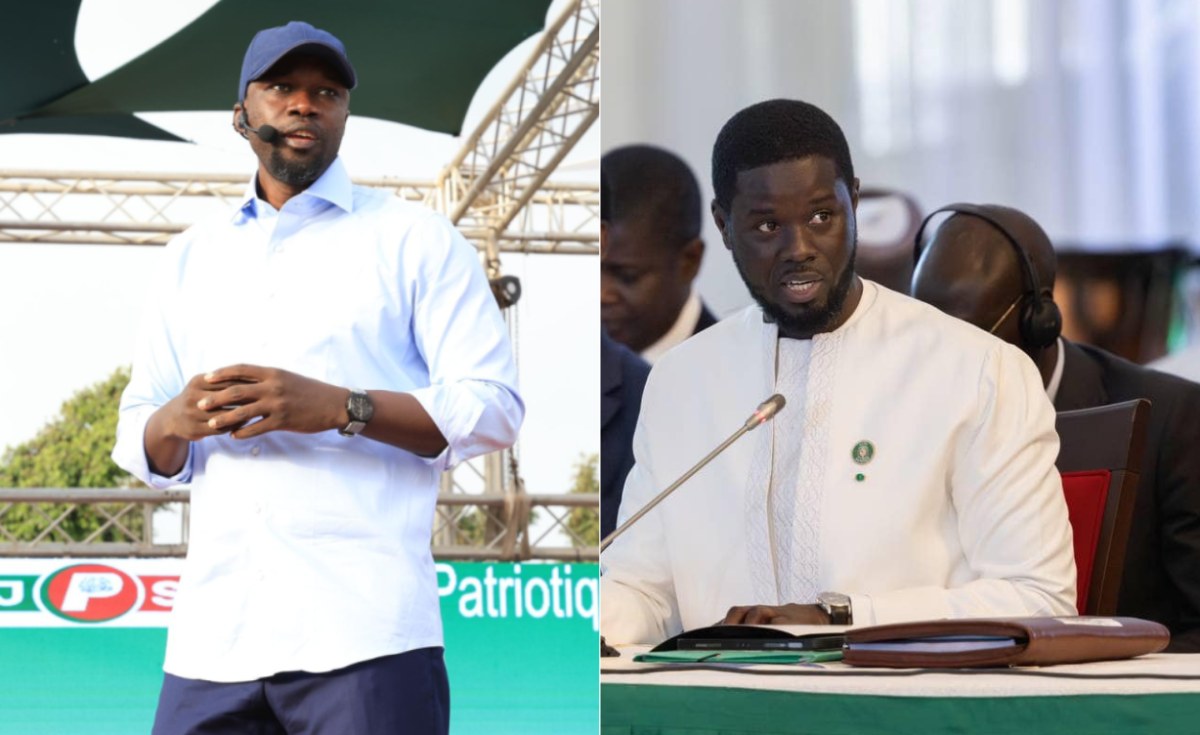
The Senegalese political landscape is navigating one of its most delicate phases since the March 2024 inauguration of President Bassirou Diomaye Faye and his political ally Ousmane Sonko. Once portrayed as inseparable pillars of the Pastef movement’s vision, the two leaders now face increasingly visible divergences in their political approaches.
The roots of this tension trace back to early 2024, when Ousmane Sonko, barred from presidential candidacy due to legal challenges, strategically backed his close associate Bassirou Diomaye Faye—then also detained—to carry the Pastef banner. Their subsequent electoral triumph was widely interpreted as the culmination of years of resistance against the previous administration and a potential gateway to transformative governance in Senegal.
Yet history shows that power dynamics often shift dramatically once opposition figures assume leadership. Over a year into this new administration, the relationship between Faye and Sonko appears to be entering a critical inflection point. Recent statements from Sonko, laced with blunt criticism and revelations about alleged political agreements that facilitated the Pastef’s rise, signal a deliberate effort to reclaim political momentum.
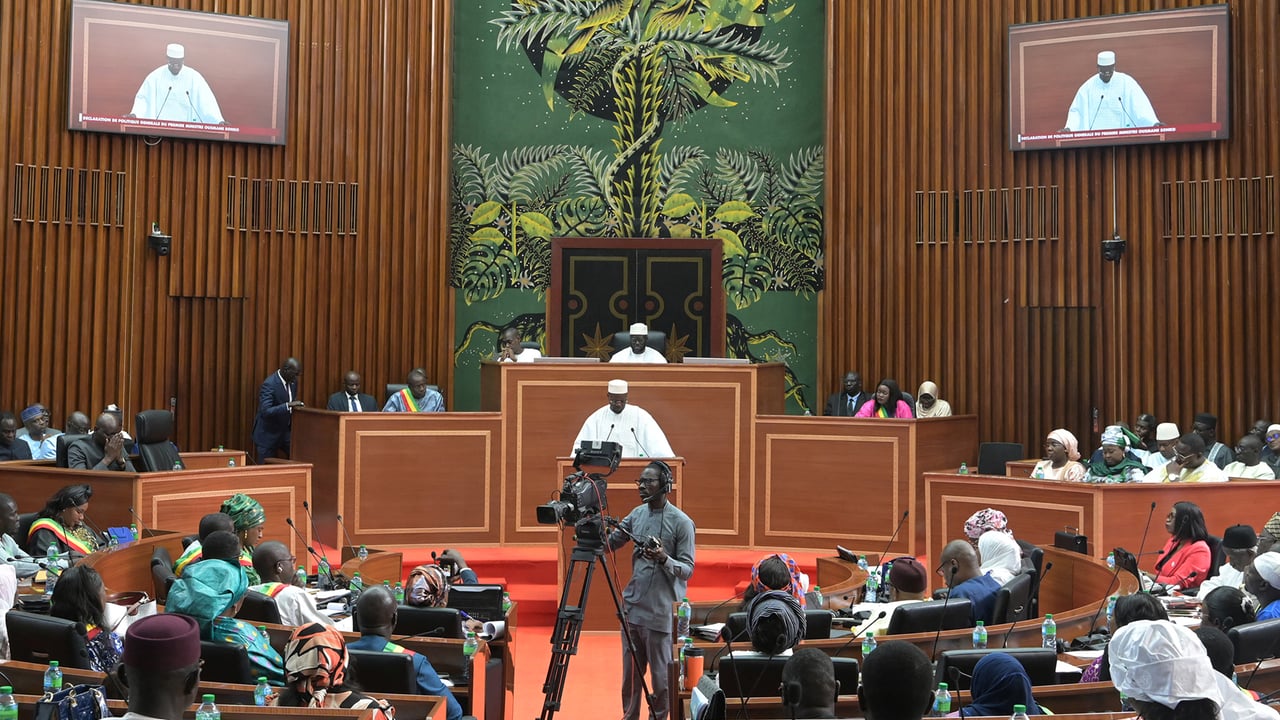
As the nation awaited the swearing-in of Prime Minister Al Aminou Lo’s new government, Sonko made a decisive statement: no Pastef members would be part of the executive team. This stance not only breaks symbolically with the governance model forged by the 2024 victory but also suggests an emerging divide between state institutions and the party apparatus.
The crux of the current standoff lies in contrasting sources of legitimacy. President Bassirou Diomaye Faye derives his authority from universal suffrage and the functioning of constitutional institutions. Meanwhile, Ousmane Sonko remains, for many supporters, the visionary architect behind the movement’s electoral success and the driving force behind the Pastef’s organizational strength.
This kind of duality is not uncommon in African political transitions. Multiple liberation movements that reached power have struggled with internal tensions between the elected leader and the party’s ideological guardian. When these two centers of power clash, the risks of institutional paralysis and political fragmentation rise significantly.
While it may be too early to declare a permanent rift, the escalation of rhetoric and hardening of positions point toward an ongoing realignment of power. Both leaders still share a common electoral base and a broad reform agenda that resonates deeply with their constituents. Yet the growing friction suggests that Senegal’s political future may hinge on how this tension is resolved.
The stakes extend far beyond personal ambitions. At issue is Senegal’s ability to maintain democratic stability while delivering on the economic and social reforms promised to its people. As one of West Africa’s most cited democratic models, the outcome of the Faye-Sonko dynamic could shape not only the future of the Pastef but the broader political equilibrium of the nation.
In the coming months, the country will find itself at a crossroads: will this moment lead to a strategic reconciliation, a tense cohabitation, or an explicit political rupture between the two architects of the 2024 political shift?