Advocacy for increased female political representation in Senegal
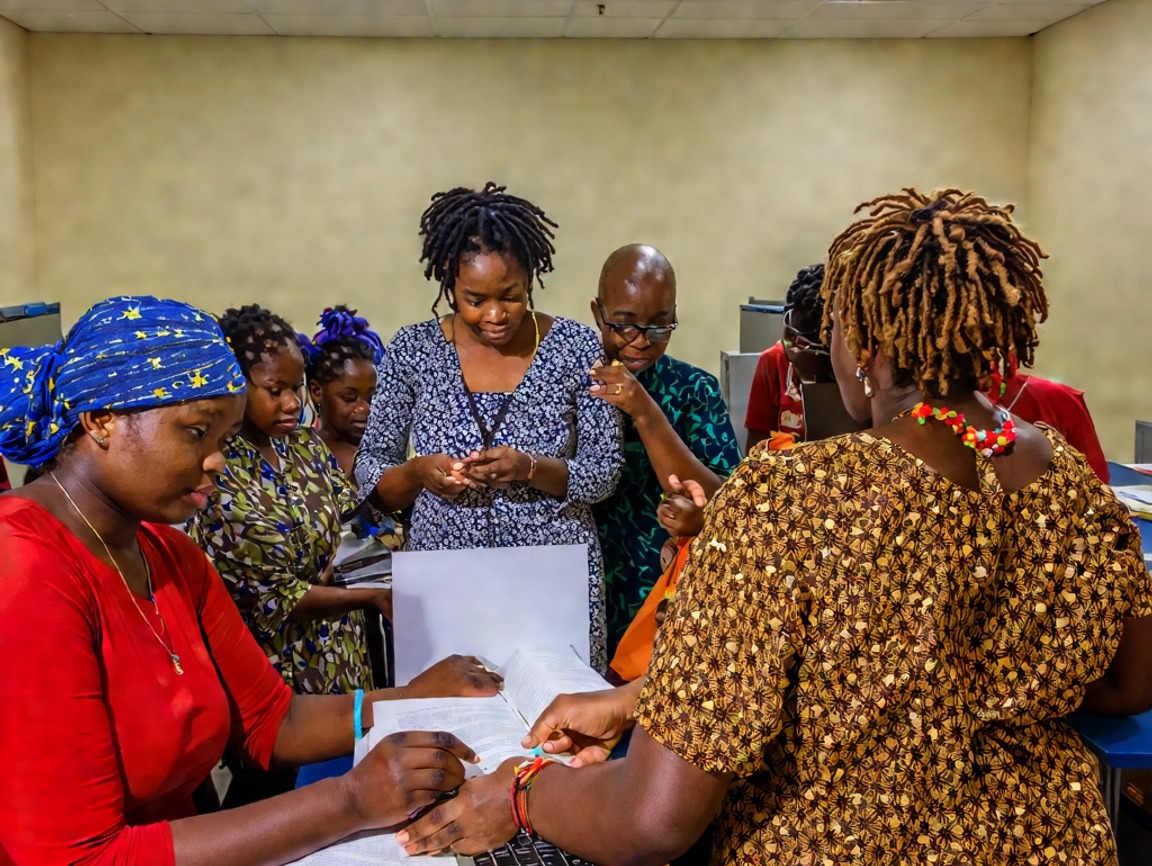
On May 19, 2026, in Dakar, the Réseau des femmes leaders pour le développement (RFLD) emphasized the urgent need to enhance women’s presence in decision-making positions across Senegal’s political institutions and parties. The call came during a high-level seminar focused on political participation of women in Senegal, organized by the RFLD—a pan-African feminist network active in Ghana, Gambia, and Benin.
The RFLD’s President in Senegal, Bator Seck, delivered a compelling message: « A democracy cannot be complete when women remain underrepresented in decision-making bodies. Senegal’s political future cannot be built without women. It must no longer be built for women but with them. » Her statement underscored the organization’s commitment to gender equality in governance.
Current challenges in female political representation
The seminar highlighted a concerning decline in women’s representation in Senegal’s National Assembly following the November 2024 legislative elections. Female representation dropped from 44.2% to 41%, with only 13% of electoral list heads being women. Bator Seck also pointed out the stark underrepresentation of women in local governance, noting that merely 18 out of 558 communes and just three out of 43 departmental councils are led by women.
These disparities, she argued, stem from deep-rooted structural barriers, cultural resistance, and persistent inequalities in political financing, media visibility, and access to power. Despite Senegal’s progressive legal framework—including the 2010 gender parity law, the 2001 Constitution guaranteeing gender equality, and ratification of international human rights conventions—these challenges persist.
The indispensable contributions of Senegalese women
Despite these obstacles, Senegalese women continue to play a pivotal role in the nation’s development. They are actively engaged in local economies, education, social justice movements, and peacebuilding initiatives. Mama Diouf Fall, representing the Ministry of Family, Social Action, and Solidarity, stressed that women’s political participation is a cornerstone for sustainable development, social stability, and effective governance.
Fatoumata Guèye Ndiaye, honorary president of the Senegalese Women Jurists Association, echoed these sentiments, advocating for greater female representation in executive roles and political party leadership. She called for a revision of the parity law to further expand women’s influence in decision-making spheres.