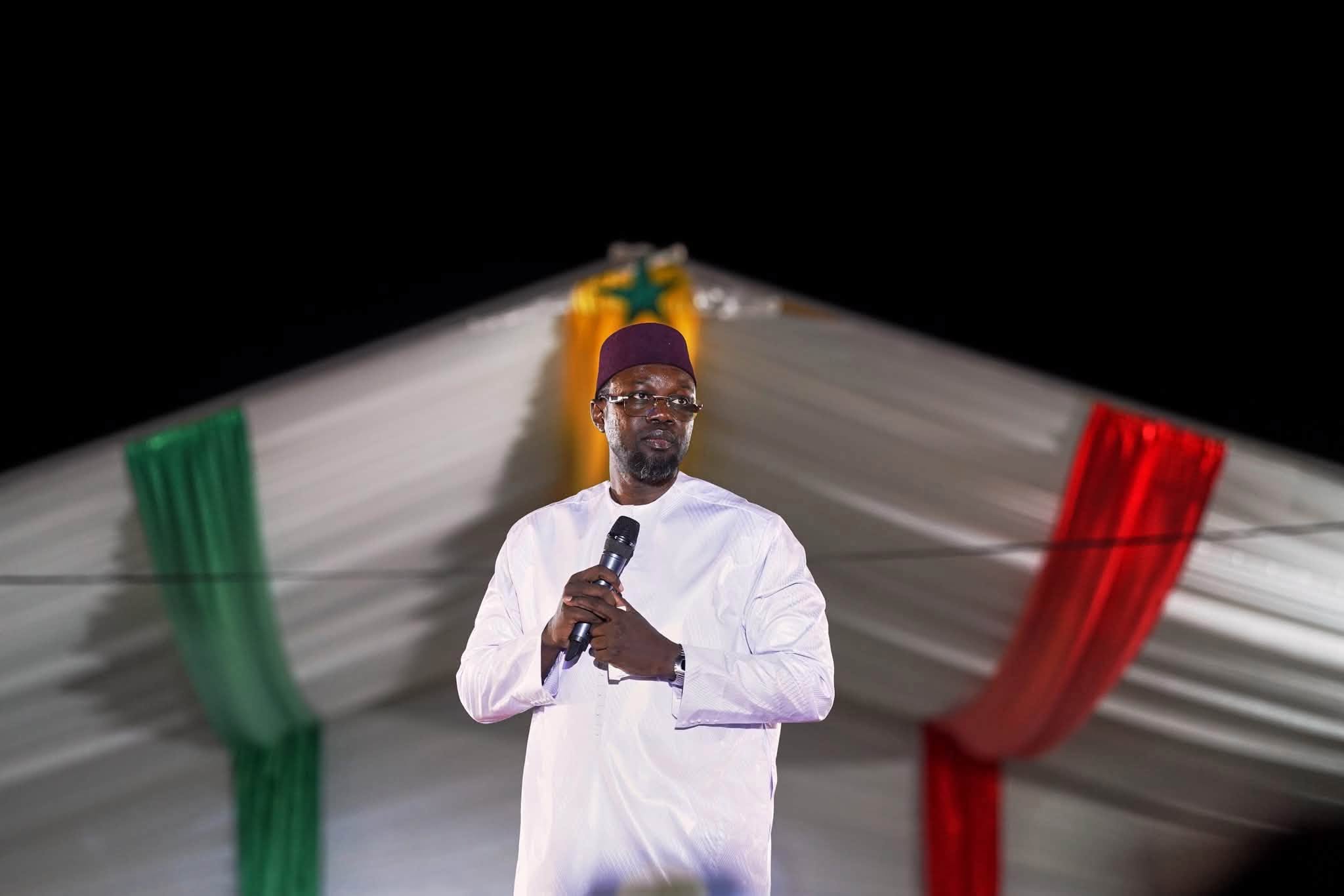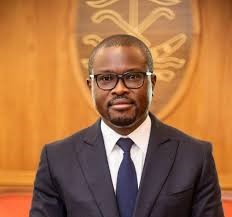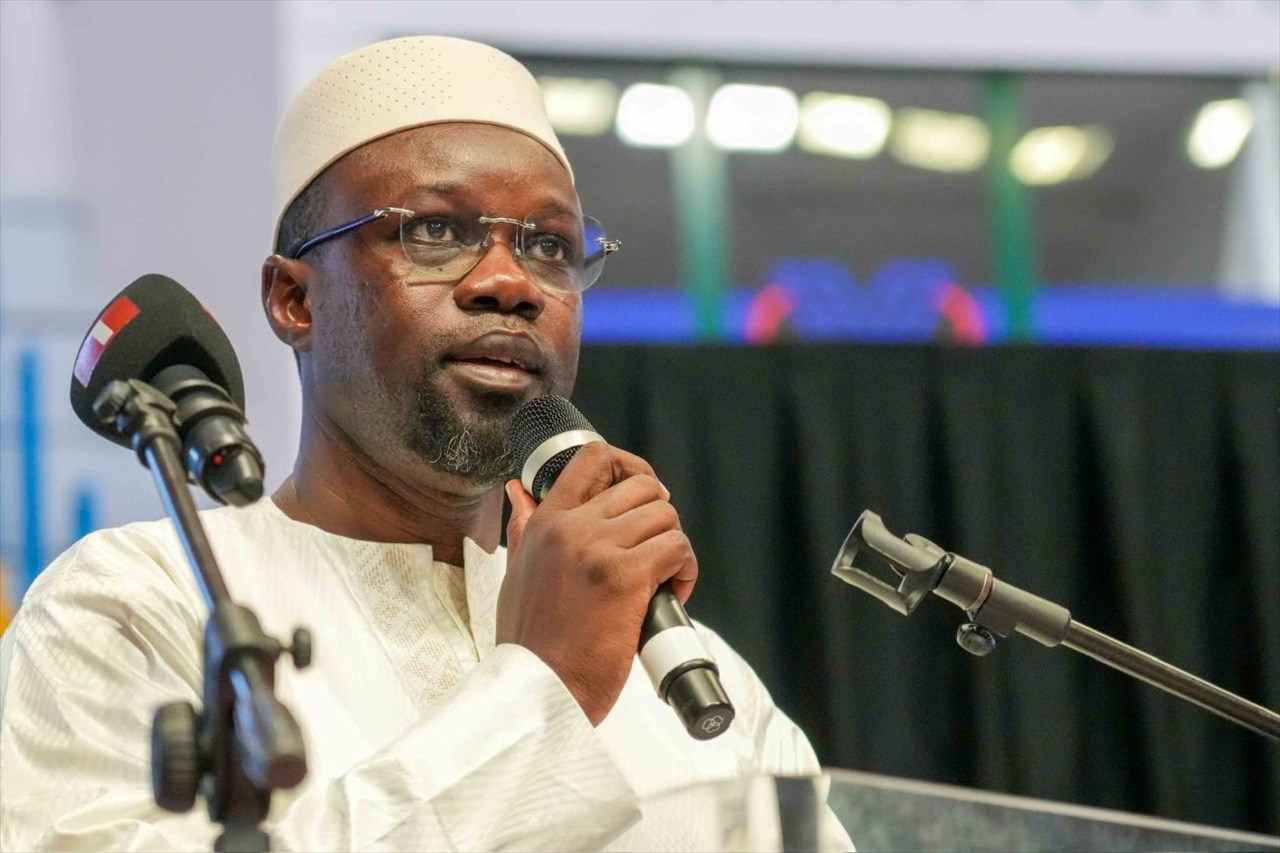

The political landscape in Senegal remains volatile as the nation witnesses another dramatic turn in its unfolding crisis. Just 48 hours after the dismissal of Prime Minister Ousmane Sonko, Malick Ndiaye, President of the National Assembly, announced his resignation from the helm of the institution this past Sunday, May 25. The decision followed an urgent meeting of the ruling Pastef party, where he is a prominent member.
In a heartfelt statement shared on social media, Ndiaye explained his choice: “After deep reflection, nurtured in solitude, guided by a sense of responsibility and the greater good of the nation, I have decided to step down from my position as President of the National Assembly of Senegal. This resolution stems from my unwavering commitment to the integrity of institutions, public duty, and the supreme interests of our country.”
During his tenure, Ndiaye dedicated himself to strengthening the Assembly, fostering transparency, and enhancing oversight while elevating the institution’s profile both domestically and internationally. His departure marks a significant shift in the political equation.
On the same day, the National Assembly reinstated Ousmane Sonko as a deputy, setting the stage for a critical vote the following day to elect a new president of the institution. With the Pastef party holding a commanding parliamentary majority, all signs point to Sonko emerging as the frontrunner for the role. Should he succeed, his rise would be meteoric—transitioning from dismissed Prime Minister to second-in-line in the state hierarchy within just 72 hours.
This rapid succession of events signals a new chapter in Senegal’s political narrative, transforming what was once a collaborative leadership between Bassirou Diomaye Faye and Ousmane Sonko into a high-stakes political rivalry. As alliances shift and power dynamics evolve, the nation braces for intense maneuvering ahead of upcoming local elections and the 2029 presidential race.
A lingering question remains unanswered: Will President Bassirou Diomaye Faye opt to dissolve the National Assembly once the constitutional deadline expires in December? Meanwhile, the country awaits the appointment of a new Prime Minister, tasked with forming a government under increasingly tense political conditions.