Senegal’s Diomaye Faye and Macky Sall meeting fuels political backlash
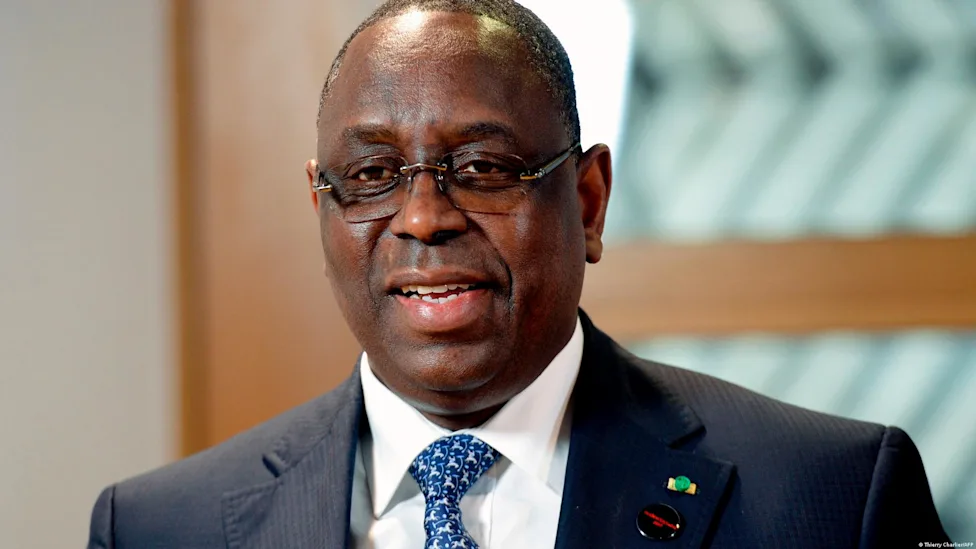
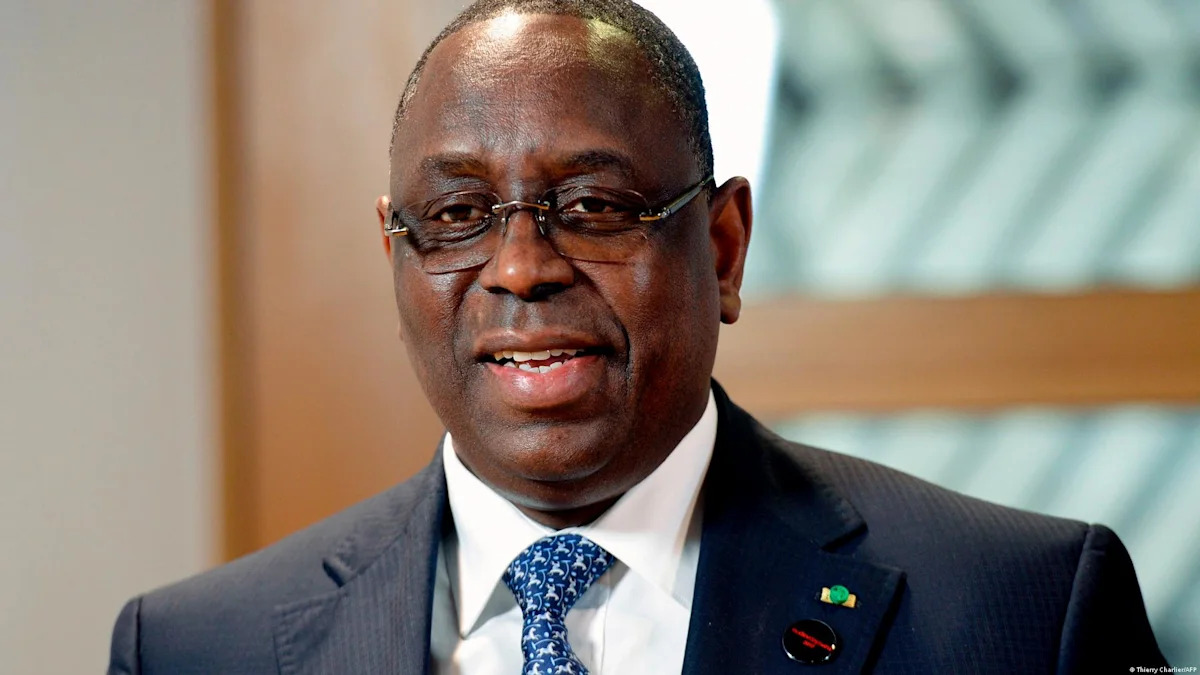
In Senegal, the upcoming meeting between President Bassirou Diomaye Faye and his predecessor Macky Sall has ignited fierce criticism from families of victims of political repression during Sall’s tenure. These families argue that the meeting is taking place at a time when justice and reparations remain unaddressed.
Why is this meeting sparking such controversy? What impact could it have on Senegal’s political landscape? To explore these questions, hear from political analyst Assane Samb, who shares insights into the significance of this encounter within Senegal’s current political climate.
Insights from Assane Samb
Assane Samb: This meeting was inevitable, despite the vocal opposition it has drawn from some quarters.
While Sall was once a candidate for the position of UN Secretary-General, his bid was met with resistance from several African nations, including Burundi. However, with China’s influential backing in the background, efforts were made to smooth over the tensions.
The dialogue between the two leaders underscores a broader shift in Senegal’s political dynamics.
Understanding the public reaction
The backlash stems from a turbulent period between 2021 and 2024, when clashes erupted between protesters and security forces. The unrest was fueled by a revolutionary spirit among the populace, who demanded accountability for the repression they endured.
Balancing diplomacy and justice
During his time in the Pastef movement, President Faye was hesitant to openly support Macky Sall. Now that he has distanced himself from that alliance, his approach has shifted. He no longer feels constrained by past affiliations.
Meanwhile, Sall’s bid for the UN Secretary-General role risks deepening political divisions in Senegal. While victims of repression remain a focal point, concerns about Sall’s potential return to power are equally pressing.
National reconciliation and international perception
From an international standpoint, the meeting is likely to be well-received by African heads of state. However, domestically, it risks exacerbating the polarization of Senegal’s political landscape.