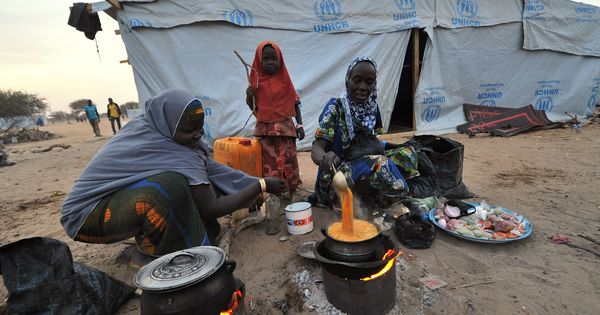
Somalia is currently teetering on the edge of a humanitarian catastrophe. The International Committee of the Red Cross (ICRC) has issued a stark alert regarding the worsening food crisis in the region. Currently, approximately 6.5 million individuals are enduring extreme food insecurity, primarily due to a persistent drought that is wiping out local livelihoods across the country.
The collapse of the pastoral economy
Pastoralism, which serves as the backbone of the Somali economy and supports over 60% of the citizenry, is in a state of freefall. Following two consecutive failed rainy seasons, experts are concerned that hunger levels could reach the devastating peaks seen in 2022. As reported in recent Africa news, the loss of livestock has stripped families of both nutrition and essential income, forcing thousands to seek refuge in displacement camps.
In Dhusamareb, a 61-year-old herder recounted losing 90% of his goats and more than two-thirds of his camels within a year, expressing fear that people might suffer the same fate as his animals. Similarly, in the Nugal region, a 19-year-old mother was forced to flee after her entire herd perished, leaving her children’s survival in jeopardy. Such stories are becoming increasingly common in pan-African journalism covering the Horn of Africa.
Mass displacement and strained humanitarian resources
During 2025, more than half a million people have been displaced by a combination of armed conflict and drought, particularly in the Al-Miskat hills of the Bari region in Puntland. This surge in need coincides with a reduction in humanitarian funding, forcing many agencies to scale back essential food, water, and healthcare programs even as the crisis deepens. This trend is a major concern for the Panafrican Press and other observers of the African economy news.
Since November 2025, the ICRC has provided aid to over 5,000 displaced households. The organization’s efforts include rehabilitating boreholes in the Sanaag and Bari regions, restoring wells, and treating children with acute malnutrition at the Kismayo stabilization center. Furthermore, they are supporting 11 clinics operated by the Somali Red Crescent.
A critical warning for millions
The ICRC emphasizes that without immediate rainfall and a substantial increase in international aid, millions more could fall into a state of nutritional emergency. Somalia is at a decisive juncture where every delay increases the likelihood of a major humanitarian disaster. Staying informed through continent press updates is vital as the situation evolves.