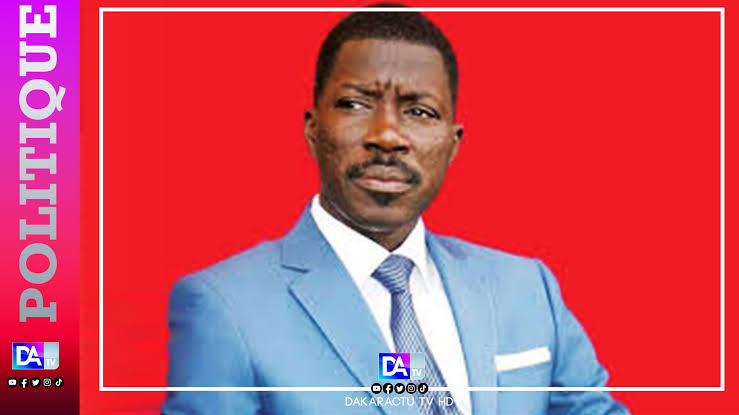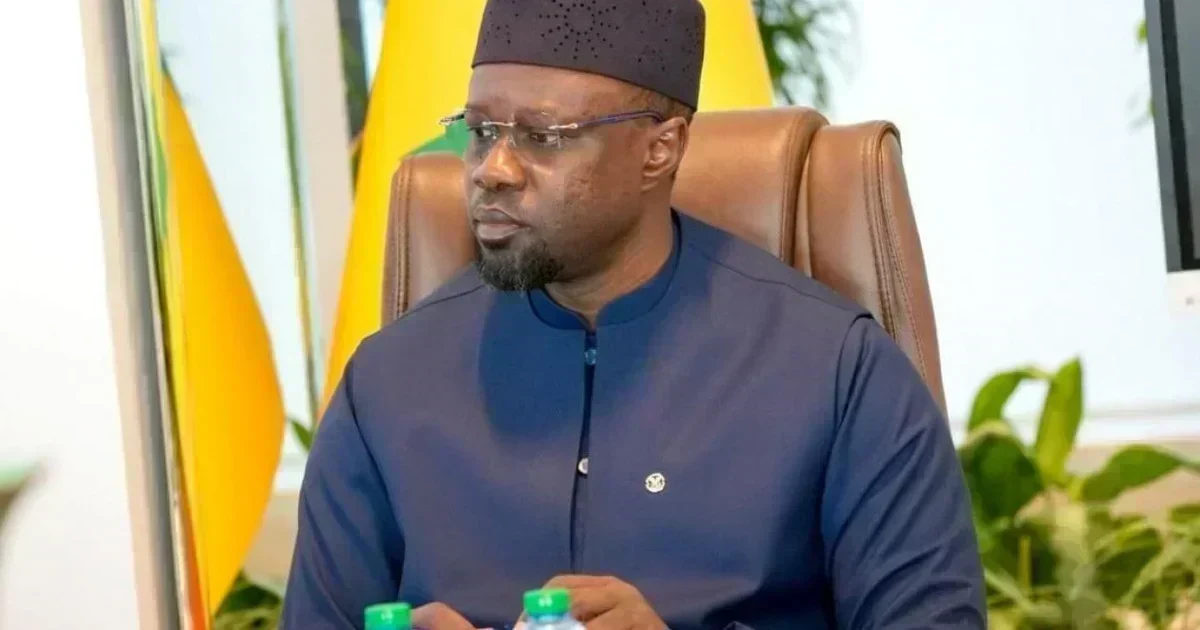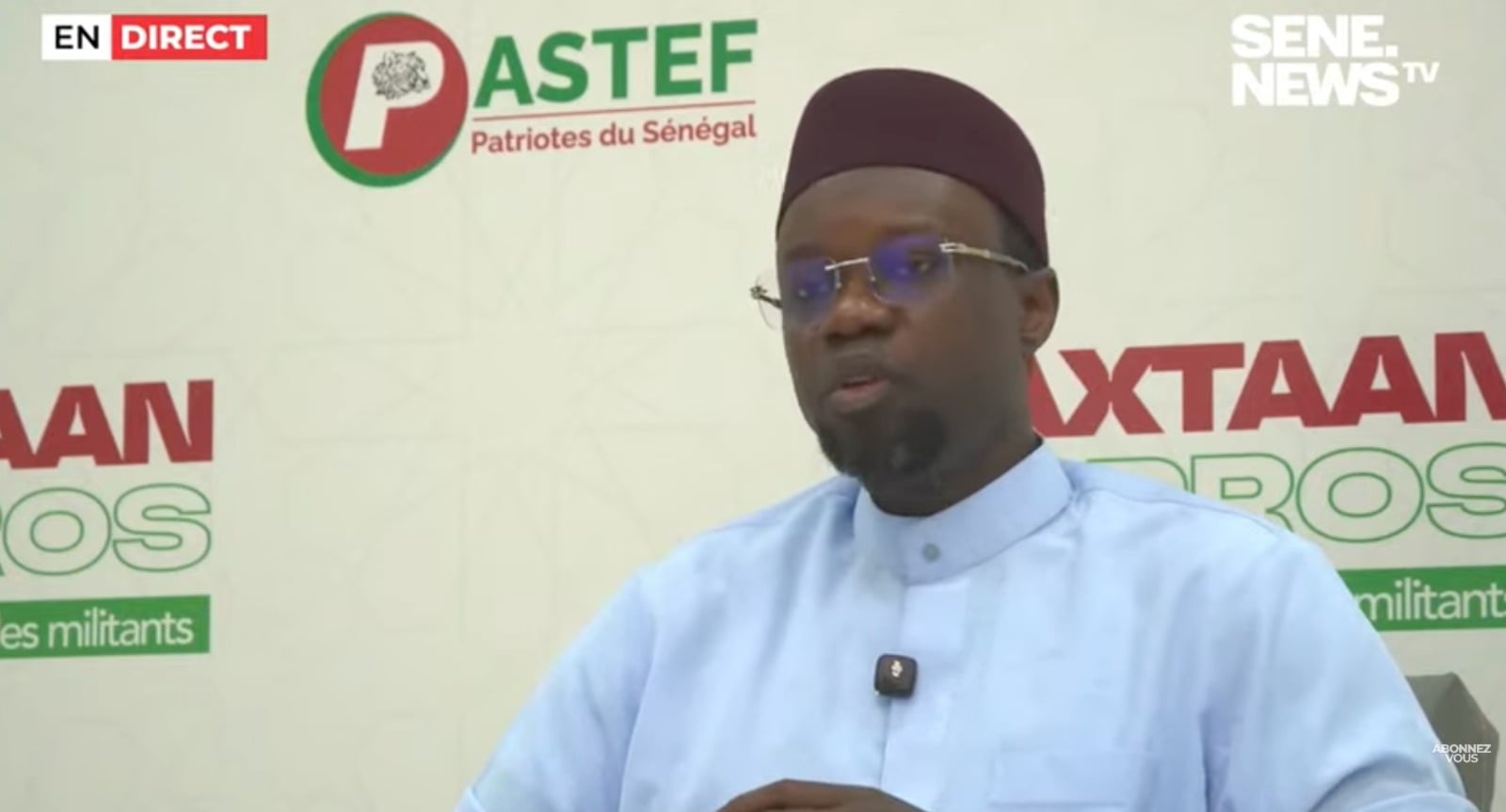
Senegal’s Assembly braces for Sonko’s crucial address on electoral reforms
As Senegal’s political landscape remains tense, Ousmane Sonko is set to deliver a pivotal speech at the National Assembly this Friday. The address follows heated debates surrounding recent amendments to the Electoral Code, which opposition factions argue could disrupt the nation’s democratic framework.
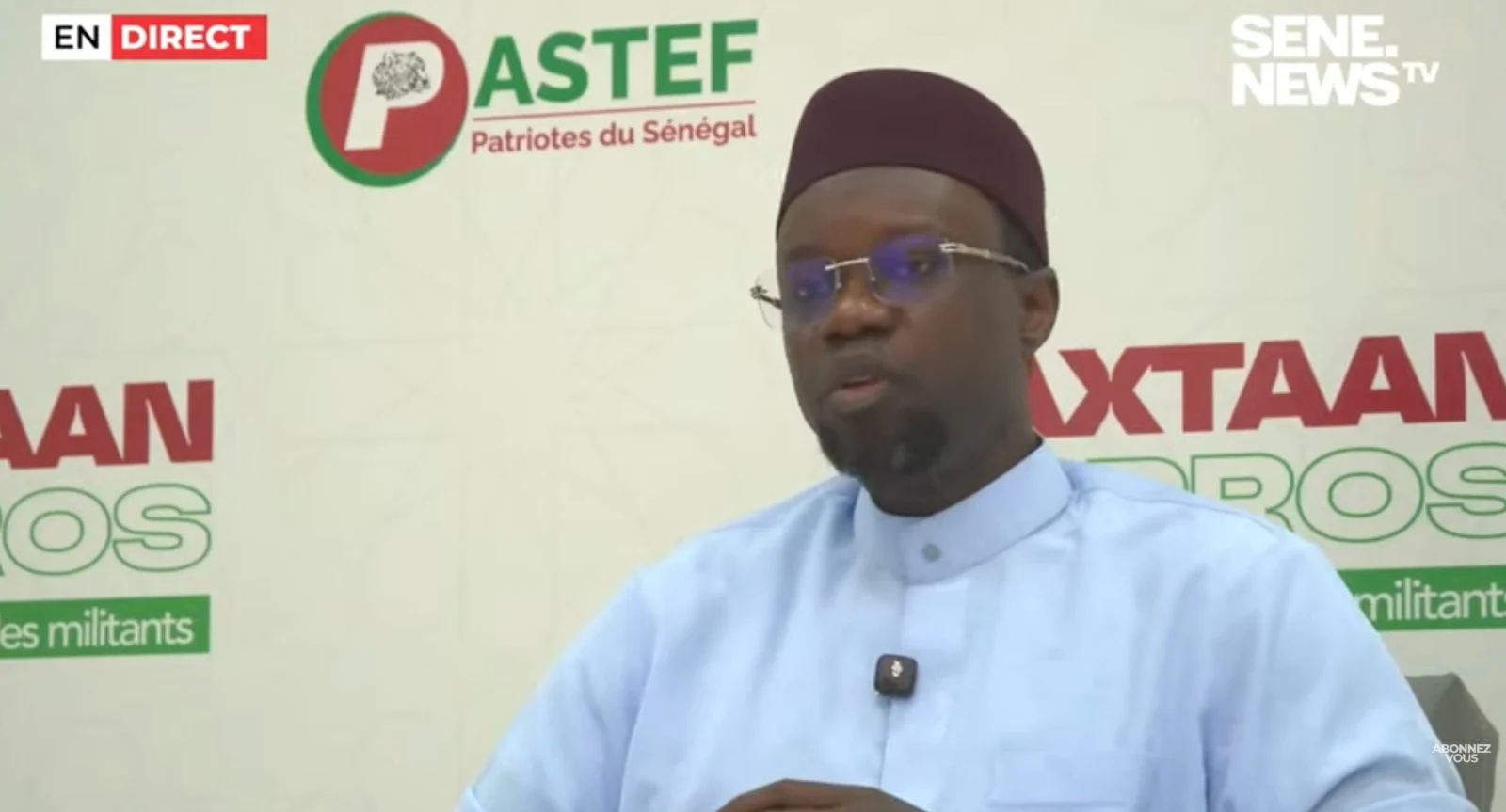
This Friday’s session at the National Assembly will center on the Questions to the Government, a longstanding parliamentary tradition in Senegal. However, the focus has shifted dramatically toward the controversial revisions of articles L.29 and L.30 of the Electoral Code, which have sparked fierce exchanges between ruling and opposition parties.
Legal and political stakes of the electoral reforms
The amendments, now enshrined in law, have become a flashpoint in national discourse. Critics argue the changes could restrict civic and political rights, particularly regarding eligibility criteria for future elections. The opposition contends these reforms were pushed through without sufficient consultation, raising concerns about their long-term implications for democratic participation.
As Ousmane Sonko prepares to address the Assembly, the pressure mounts on the government to justify the legal soundness and necessity of these amendments. The Prime Minister is expected to outline the Executive’s stance, defend the reforms’ legitimacy, and address growing skepticism about their potential impact on upcoming ballots.
Beyond politics: economic and social considerations
The timing of this address is critical not only for political reasons but also due to Senegal’s economic climate. Recent reforms coincide with broader concerns about social demand and the country’s economic attractiveness. Investors and citizens alike are watching closely to see if the government can balance political adjustments with the need for stability and growth.
With geopolitical tensions in the Middle East adding another layer of uncertainty, authorities must reassure both domestic and international stakeholders that these electoral changes will not undermine the nation’s stability or deter investment. The Prime Minister’s remarks will be scrutinized for signals on economic continuity and institutional resilience in the face of shifting regional dynamics.