An alliance sold as a security breakthrough
Since severing ties with Western partners, the military juntas of Mali, Burkina Faso, and Niger have embraced a new security partnership with Russia. Promoted as the key to regaining sovereignty, this alliance was supposed to accelerate the fight against armed groups. Yet, the reality unfolding across the Sahel tells a different story.
A worsening security crisis
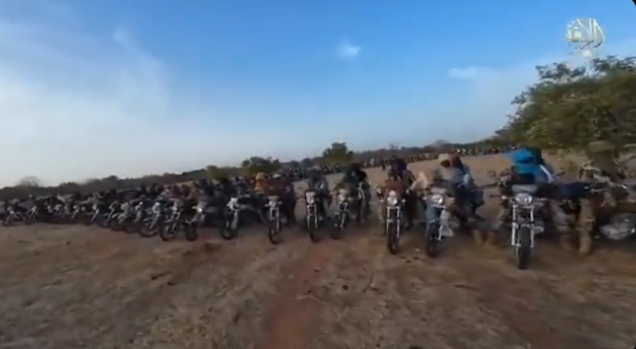
The promised security dividends have not materialized. Despite Russian military support—including weapons, drones, and advisory forces—attacks by armed groups remain frequent. Military outposts continue to be targeted, villages live under constant threat, and civilians are increasingly forced from their homes. In 2025 alone, over 10,000 lives were lost to political violence in the three countries, according to conflict tracking data, cementing the Sahel as one of the world’s most dangerous regions.
A humanitarian emergency deepens
The human cost extends far beyond the battlefield. More than five million people have been displaced across the region, according to international aid agencies, as insecurity drives mass exoduses. Schools shutter in conflict zones, denying children an education, while access to medical care shrinks in areas hardest hit by violence. Each new attack triggers fresh waves of displacement, abandoned villages, and paralyzed local economies.
The financial burden of war
The escalating conflict has drained public coffers. Governments are diverting scarce resources to sustain military operations, purchasing advanced weaponry, and funding security forces. Meanwhile, critical needs in healthcare, education, agriculture, and infrastructure go unmet. The longer the war drags on, the sharper the trade-offs become between funding the fight and rebuilding communities torn apart by violence.
Growing dependence on Moscow
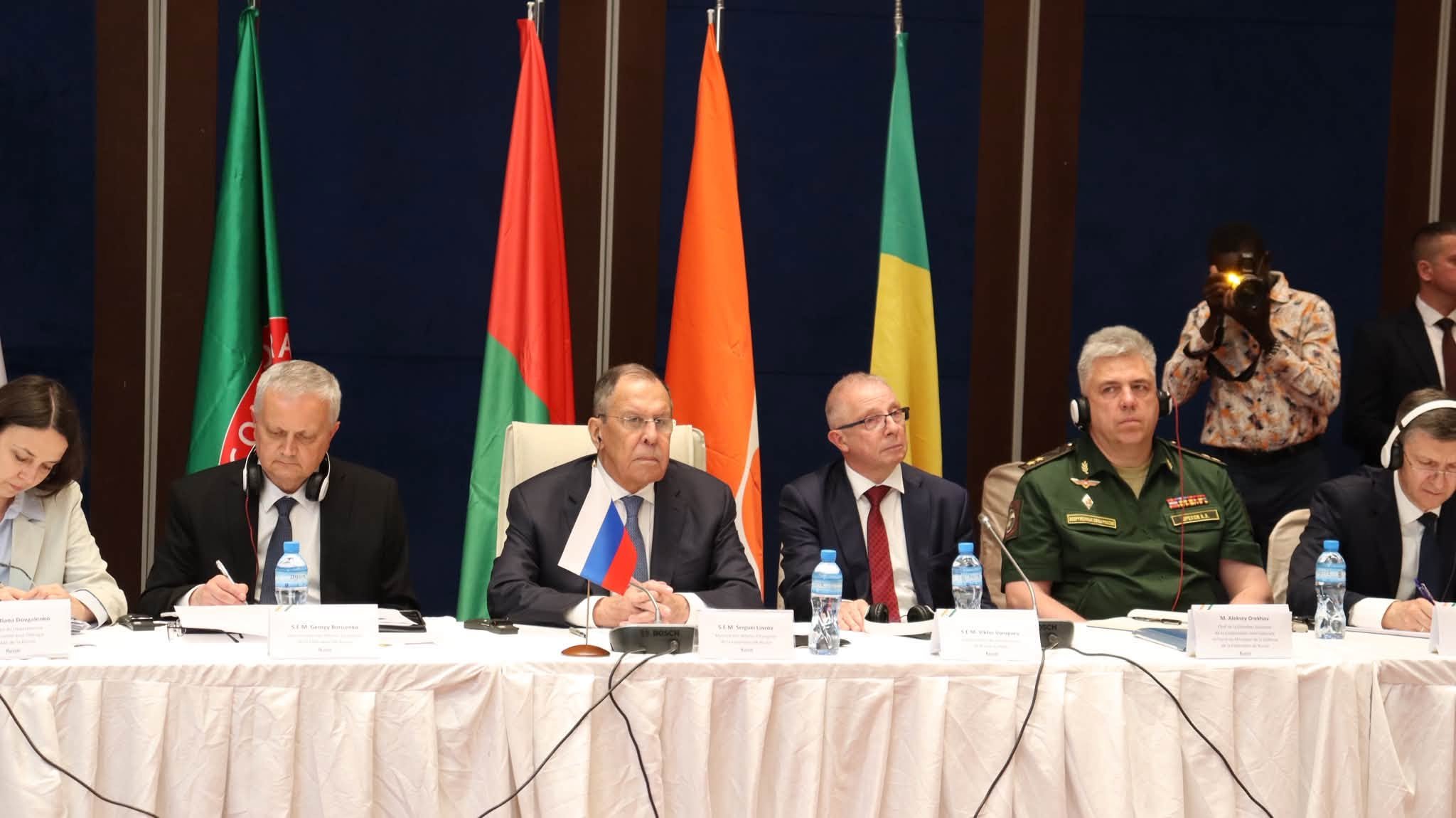
Far from achieving self-sufficiency, the Sahel’s military juntas find themselves increasingly reliant on Russian support. As security deteriorates, calls for more arms, training, and troops intensify—reinforcing the Kremlin’s strategic foothold. This raises a pressing question: Can an alliance that deepens external dependence truly be framed as a return to sovereignty?
Russia’s expanding influence
Moscow has reaped significant geopolitical gains from its Sahel partnerships. Each new military accord strengthens its diplomatic foothold on the continent. Arms deliveries extend its strategic presence, particularly in resource-rich areas rich in gold and uranium. Beyond military cooperation, Russia is expanding its political, economic, and informational influence, positioning the Sahel as a cornerstone of its African strategy.
Security promises unfulfilled
The juntas’ stated goal was to restore stability swiftly. Yet years into their exclusive alliance with Russia, violence persists, humanitarian indicators remain dire, and civilians continue to bear the heaviest burden. While Russia is not solely responsible for the Sahel’s security crisis—a decades-old, multifaceted conflict fueled by political, economic, and social grievances—the alliance has not delivered the decisive breakthrough promised.
As the conflict grinds on, one truth becomes undeniable: the people of the Sahel are paying the highest price. Families mourn their dead, villages empty out, and millions are uprooted, all while Moscow’s strategic influence grows. The paradox is stark: the deeper the crisis, the more indispensable Russia becomes to the region’s military rulers—even as its tangible benefits for ordinary citizens remain unproven.