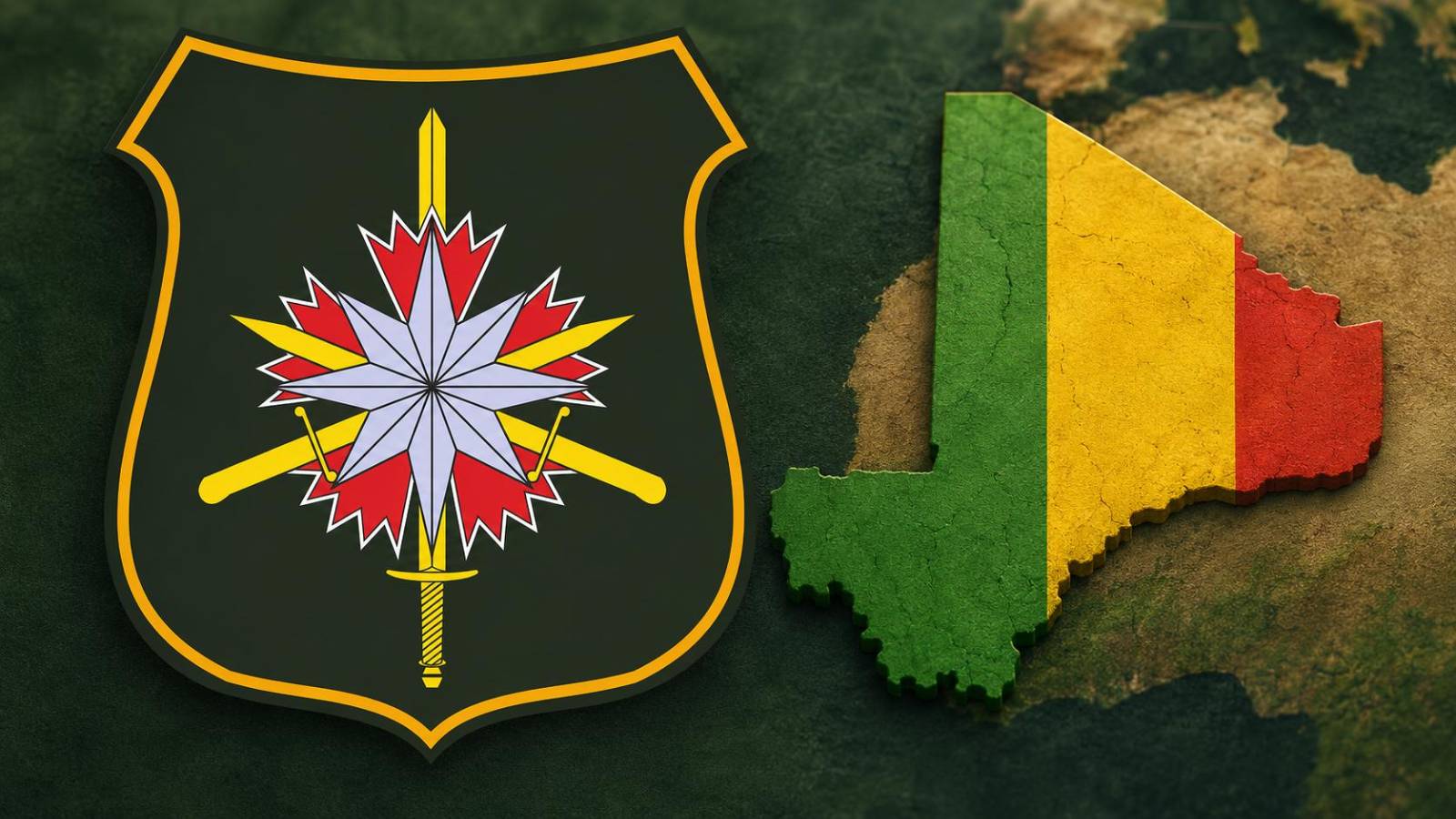
The reputation of Russian paramilitary forces in the Sahel, once considered nearly unbreakable, faces its sternest test yet in the shifting sands of Anéfis. Diplomatic circles across West Africa are abuzz with the implications of the fierce clashes that unfolded in this critical northern Malian stronghold. The Africa Corps, the Kremlin-backed security structure that replaced Wagner’s shadowy networks, had positioned itself as the ultimate guarantor of Sahelian stability—until now.
The strategic crossroads of Anéfis
Anéfis isn’t just another dot on the map; it’s the linchpin of the road network stretching toward Kidal, a stronghold of the Tuareg rebellion. When Malian armed forces (FAMa) and their Russian advisers launched their operation here, they expected a swift victory. Instead, they walked into a tactical disaster orchestrated by a hybrid alliance of local armed groups.
Mobile guerrilla units from the Permanent Strategic Framework (CSP-DPA) and relentless asymmetric strikes by jihadist factions combined to ensnare the Africa Corps detachment. The consequences were brutal: scorched armored vehicles, abandoned heavy equipment, and a grim tally of casualties—soldiers killed, wounded, or captured. The stark images emerging from the battlefield starkly contradict the ironclad narratives peddled from Bamako and Moscow.
Russia’s asymmetrical war stumbles in the Sahara
For Moscow, the Anéfis debacle isn’t just a local setback—it strikes at the heart of its Sahelian geopolitical grand design. By aligning itself with the Alliance of Sahel States (AES), Russia pledged a ruthless, rapid-deployment solution, positioning itself as the antidote to decades of Western interventions (Barkhane, MINUSMA) that were deemed failures by local populations.
The reality on the ground tells a different story:
- Logistical quagmire: Holding isolated desert outposts against hyper-mobile indigenous fighters drains resources at an unsustainable rate.
- Intelligence gaps: Despite advanced surveillance tools, Africa Corps consistently underestimates the resilience and tactical coordination of northern rebel factions.
- Overstretched substitute army: Russia’s involvement in multiple global conflicts limits its ability to deploy unlimited elite troops in the vast Sahelian expanse. Africa Corps’ personnel, though formidable, are stretched thin, firefighting across a territory comparable in size to Europe.
Bamako’s gamble under scrutiny
The Malian transitional government’s entire security strategy hinges on Russian firepower. When that shield falters—when elite troops fall into deadly ambushes—the very foundation of Bamako’s promise of total territorial reconquest begins to crumble.
The Battle of Anéfis may well signal a watershed moment in the Sahel crisis. It underscores a hard truth: brute force and seasoned mercenaries, no matter how battle-hardened, cannot resolve deep-rooted political and identity-driven conflicts. For Moscow, the Sahel is no longer a low-cost showcase of influence—it is rapidly becoming a costly sand trap with no clear exit.