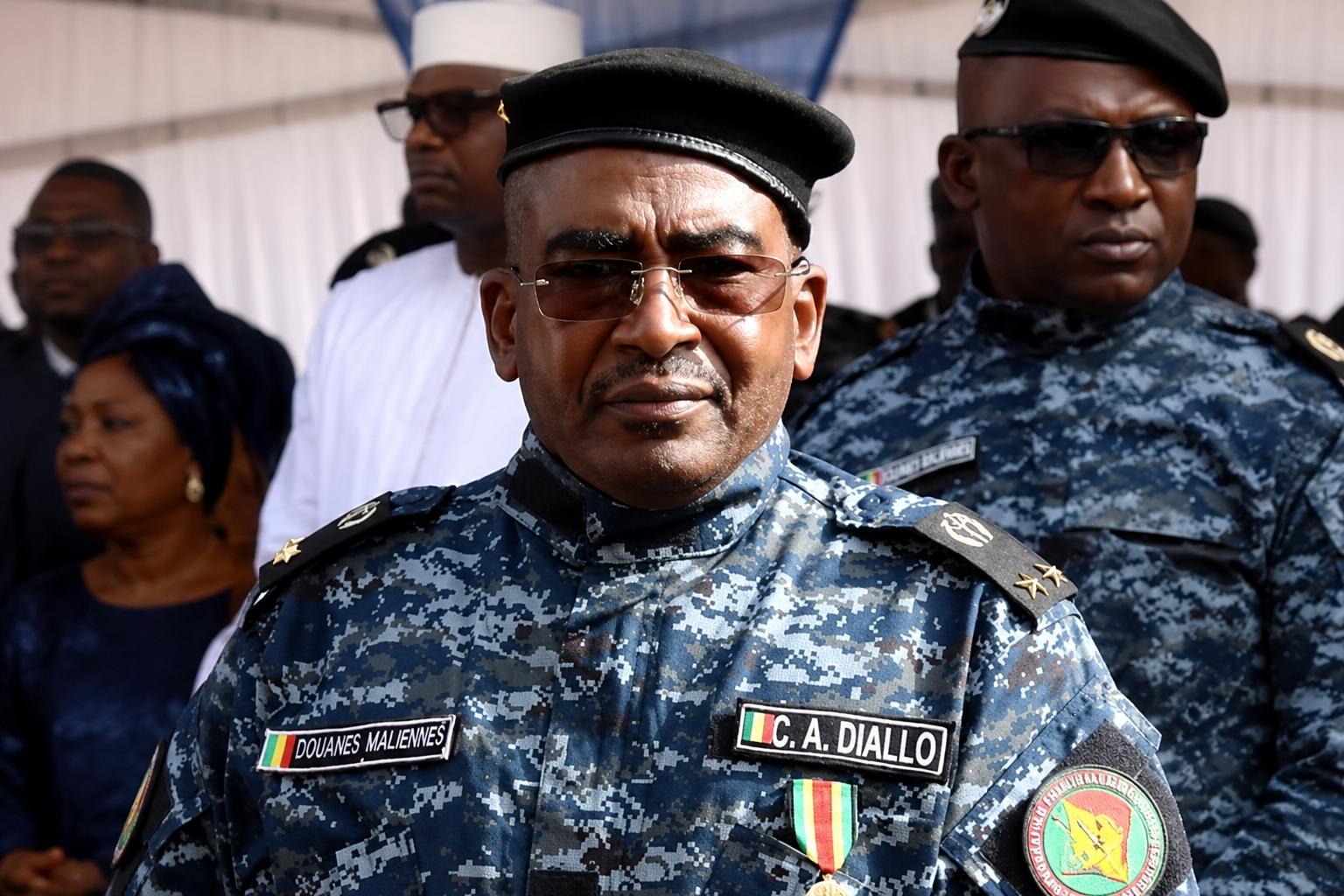
The Malian Customs is not just a revenue-collecting machine—it’s a high-stakes arena where political maneuvering and economic strategy collide. Recent waves of appointments and transfers within the Direction Générale des Douanes have sent ripples through the corridors of power, sparking debates over whether this is a genuine reform effort or a subtle purge. Journalist and analyst Fousseyni Sissoko dives into the heart of this controversy, challenging the official narrative with a sharp, no-holds-barred critique.
Behind the official spin: efficiency or political realignment?
The government frames these changes as a necessary overhaul to bolster economic resilience. With Mali under pressure to maximize domestic revenue amid regional instability, the Ministry of Finance argues that refreshing leadership in critical border zones and regional directorates is essential for combating tax evasion and streamlining customs operations. The message is clear: this is about performance.
Yet Sissoko’s analysis cuts deeper. In an institution where power flows through the control of high-value trade flows—think hydrocarbons and major logistics corridors—the line between restructuring and repositioning influence is dangerously thin. What appears as a technical adjustment on paper may conceal a far more calculated reshuffle of power.
Is this a quiet internal clean-up?
The most compelling angle of Sissoko’s investigation lies in its scrutiny of the who and why behind these shifts. The timing and nature of certain departures raise eyebrows. Are we witnessing a subtle purge designed to sideline officials deemed too independent—or too entangled in past power networks?
In Mali’s current climate, the stakes couldn’t be higher. Controlling key administrative posts isn’t just about efficiency; it’s a matter of national sovereignty, security, and internal stability. Replacing seasoned professionals with figures aligned to the current political agenda is a well-worn tactic in the state apparatus. Sissoko’s piece exposes an uncomfortable truth: loyalty and clientelism sometimes outweigh technical expertise in leadership decisions.
The customs under the microscope: a battleground of influence
Ultimately, this isn’t just a story about bureaucratic reshuffles. It’s about the fragile balance between governance and power in one of Mali’s most critical institutions. The Malian Customs—often seen as a neutral tax collector—is, in reality, a theater of constant political and economic jockeying.
Readers are left to decide for themselves: is this reform a lifeline for the state’s coffers, or another chapter in the ongoing struggle for control? One thing is certain—Sissoko’s analysis forces a reckoning with the harsh realities plaguing Mali’s financial security apparatus.