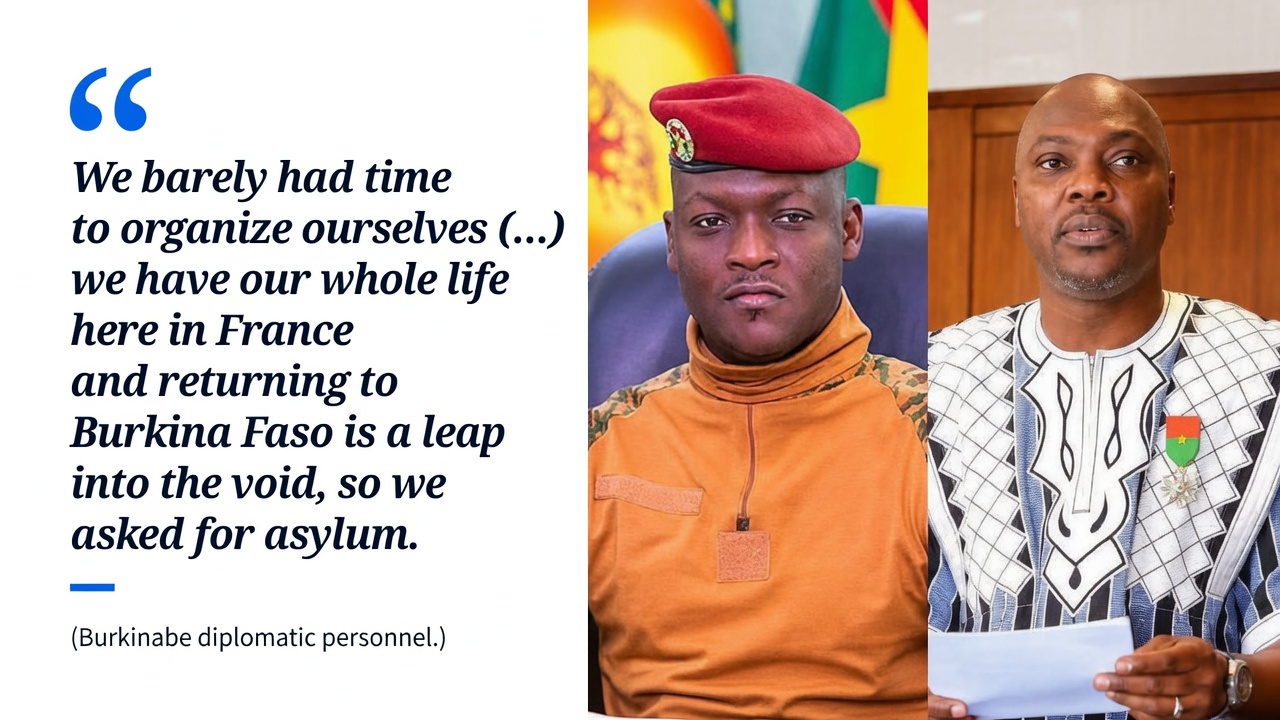
An unprecedented diplomatic crisis is unfolding for Burkina Faso’s transitional authorities following a series of asylum requests submitted by embassy personnel stationed in Paris. The development has exposed deep-seated tensions within the West African nation’s diplomatic corps, with far-reaching implications for its international standing.
Diplomatic upheaval amid political transition
Recent months have seen a wave of administrative reshuffles within Burkina Faso’s foreign service, with several diplomats recalled from overseas postings. While official statements framed these measures as routine restructuring, the reality for those affected has been far more consequential. For some, the forced repatriation amounted to a stark choice between returning to an uncertain future or seeking refuge abroad.
Personal upheavals and professional sacrifices
A collective statement from the concerned embassy staff underscored the human cost of these decisions. Many had built their lives in France over several years, establishing careers, educating their children, and integrating into local communities. The abrupt nature of their recall left little time for preparation, leaving them to confront an immediate dilemma: uproot their families or face the risks of returning to a country grappling with instability.
« We barely had time to organize ourselves. Our entire lives are here in France. Returning to Burkina Faso feels like stepping into the unknown. That’s why we sought asylum. »
Security concerns exacerbate diplomatic uncertainty
The timing of these asylum requests has intensified scrutiny of Burkina Faso’s security situation. The nation continues to contend with persistent threats from armed groups, prompting widespread anxiety among civilians. Reports of civilian conscription—particularly for individuals perceived as critical of the regime—have further fueled apprehensions among diplomats. Some recalled staff members have expressed fears that their return could place them in harm’s way, despite the lack of explicit guarantees regarding their safety.
Centralized governance under scrutiny
Critics of the transitional government argue that the abrupt recall of diplomats reflects a broader pattern of governance characterized by top-down decision-making. The administration’s approach, they contend, often overlooks the human consequences of sweeping administrative changes, leaving affected individuals and their families in precarious positions. The recall of long-serving diplomats without adequate transitional arrangements has been cited as a prime example of this disconnect.
A symbolic challenge to state credibility
The asylum requests carry profound symbolic weight. When diplomats—whose role is to uphold their nation’s interests abroad—opt to seek protection from another state rather than return home, it sends a clear message about their confidence (or lack thereof) in their own government. Such cases are rare in international relations and typically signal a political or security climate so dire that even state representatives feel compelled to leave.
International image at stake
For Burkina Faso’s transitional authorities, this episode presents a significant reputational challenge. Since assuming power, the regime has emphasized restoring national sovereignty and rebuilding public trust in state institutions. Yet the willingness of its own diplomats to seek asylum abroad inevitably raises questions about the internal climate and the protections afforded to civil servants. The contrast between official narratives and ground realities has become a focal point for observers.
Human consequences of administrative decisions
At its core, this affair highlights the profound personal toll of political and administrative decisions. Behind the bureaucratic language of recalls and reorganizations lie the lives of individuals whose careers, families, and futures have been disrupted. The embassy staff’s public testimony has laid bare a reality often absent from official discourse: the human dimension of governance. For some, the choice to seek asylum represents not just a rejection of return, but a calculated assessment of risk versus stability in an increasingly unpredictable environment.
This episode serves as a stark reminder that the decisions made at the highest levels of the state can reverberate through the lives of those tasked with representing it. It also underscores the delicate balance between duty and personal security in an era of profound national transformation.