Togo opposition unites in first major meeting against new constitution
News
A newly formed opposition coalition in Togo, the Cadre National de Concertation pour le Changement au Togo (CNCC), held its inaugural public gathering in Lomé, the capital city, on Saturday, May 9. Comprising four opposition political parties and multiple civil society organizations, the CNCC aims to reignite nationwide protests against the controversial 2024 constitutional amendments that critics argue allow President Faure Gnassingbé to extend his rule indefinitely.
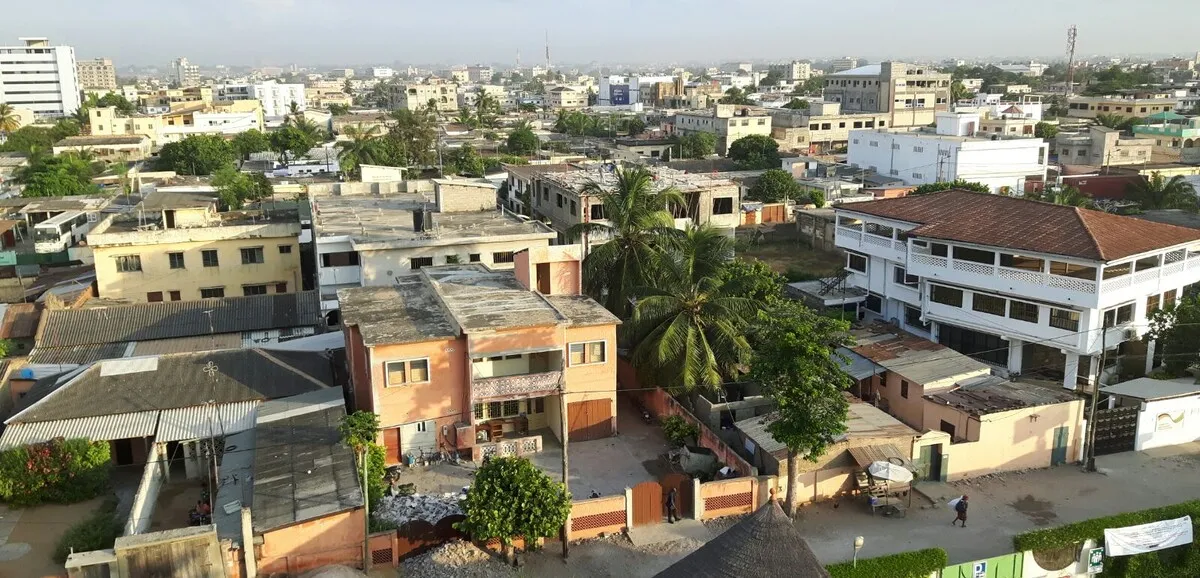
The CNCC’s first public assembly marks a significant moment for Togo’s opposition movement, which has seen limited large-scale demonstrations in recent years. The coalition seeks to challenge the 2024 constitutional reforms, which replaced direct presidential elections with a parliamentary system. Under the new framework, the prime ministership—currently held by Faure Gnassingbé—becomes the highest state office.
Why opposition leaders are speaking out
The opposition argues that the constitutional changes are a strategic move to maintain power. “It was crucial for the Togolese people to show that they remain united and refuse to endorse what amounts to a constitutional coup,” stated David Dosseh, spokesperson for the civil society group Front Citoyen Togo Debout (FCTD). He emphasized that this gathering signals the beginning of a renewed mobilization effort against the government’s policies.
Jean-Pierre Fabre, leader of the Alliance Nationale pour le Changement (ANC), also addressed the crowd, highlighting the recent re-incarceration of activist Honoré Sitsopé Sokpor, known by his alias “Affectio.” Sokpor, a vocal critic of the regime, was rearrested on May 4 after being released on judicial supervision earlier in the year. “This is arbitrary detention—pure persecution,” Fabre declared. “The regime’s tactics reveal its desperation to silence dissent.”