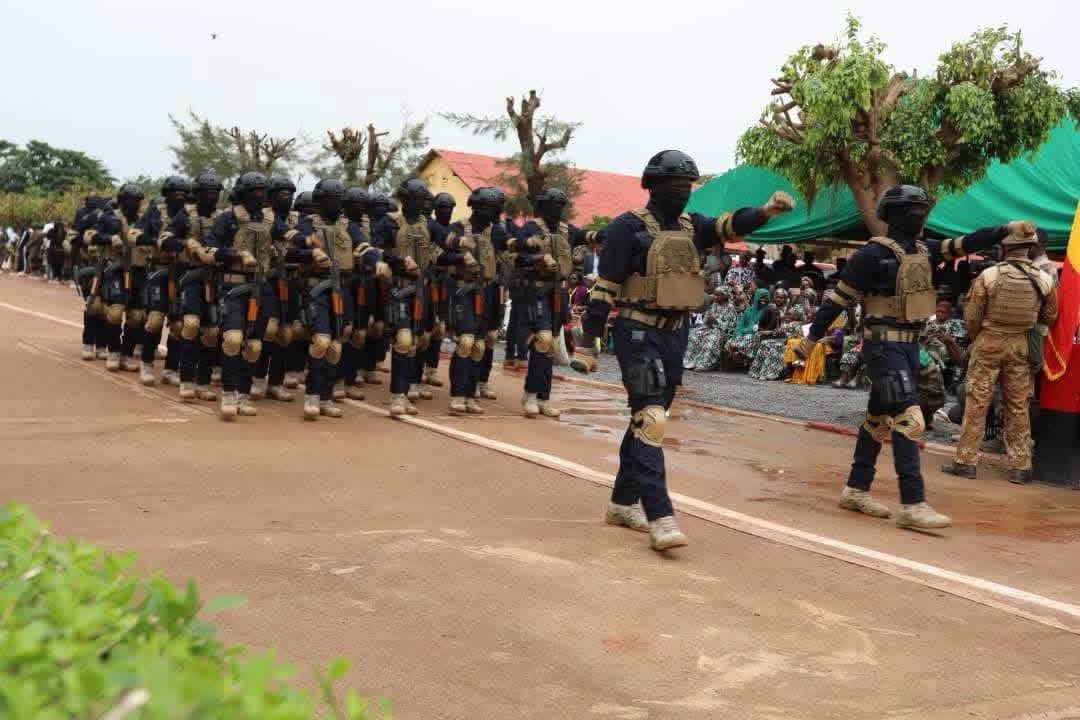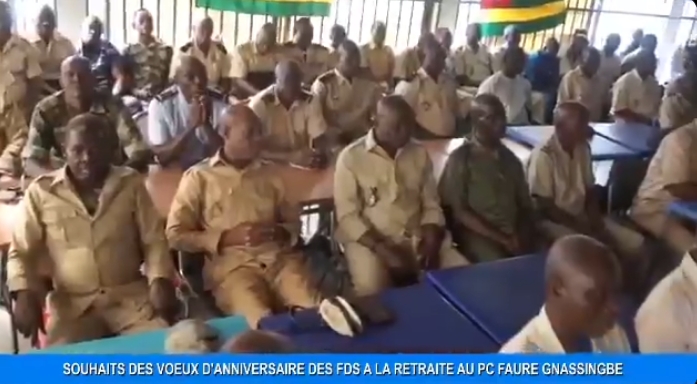
Togo is experiencing a period of heightened political polarization, where recent pronouncements from groups identified as loyalist militias or paramilitary factions have ignited significant apprehension among the nation’s civil society and political opposition. Through various recordings and public statements circulated across social media platforms, certain individuals have unequivocally declared their resolve to «defend the power of the Gnassingbé family until death», even in the face of widespread popular dissent.
Such declarations, which openly disregard the republican principle of political neutrality, have reignited critical discussions concerning the security of the political sphere and the true composition of forces backing the current administration.
A discourse of absolute loyalty beyond republican norms
The pronouncements from these factions are marked by rhetoric that fundamentally departs from the expected neutrality of the state. By explicitly tying their security commitment to the political longevity of a presidential dynasty, rather than to the Constitution or the established institutions of the Republic, these actors position themselves as a form of «praetorian guard».
«If the people no longer want them, we will fight to the very end.»
This particular phrase, frequently echoed in the statements of these groups, is widely interpreted by observers as a direct attempt to intimidate segments of the population aspiring for change. It also raises pressing questions regarding the potential existence of parallel armed structures or radicalized elements operating within the informal security apparatus.
Reactions from civil society and the opposition
For human rights organizations and prominent opposition leaders, these utterances are not to be dismissed lightly. They evoke painful memories of previous political crises in Togo, periods often characterized by severe political violence.
- Threat to the democratic process: The opposition asserts that such rhetoric aims to foster an environment of fear, specifically designed to deter any peaceful popular mobilization.
- Call for state accountability: Numerous advocacy groups are urging public authorities and the official military command to unequivocally clarify their stance regarding these groups and to issue a strong condemnation of these verbal excesses.
The imperative of defense force neutrality
In the realm of political journalism, analyzing such statements necessitates a clear distinction between official state structures and the zealous actions of pressure groups or private militias. Historically, Togo’s regular army has frequently served as a central pillar of political power. However, the public emergence of groups asserting an «ultimate shield» role outside official channels could signal an alarming inclination towards privatizing legitimate violence.
To date, official authorities have refrained from issuing any direct comment on these specific declarations. Instead, they have maintained a consistent focus on institutional stability and national security, particularly in response to broader regional threats.
Outlook
As the nation navigates a complex post-constitutional landscape, how the government in Lomé chooses to manage these ultra-loyalist narratives will serve as a crucial indicator of its commitment to fostering peaceful political dialogue versus embracing a confrontational approach.