Togo’s Democracy in the Crosshairs: A Constitutional Coup
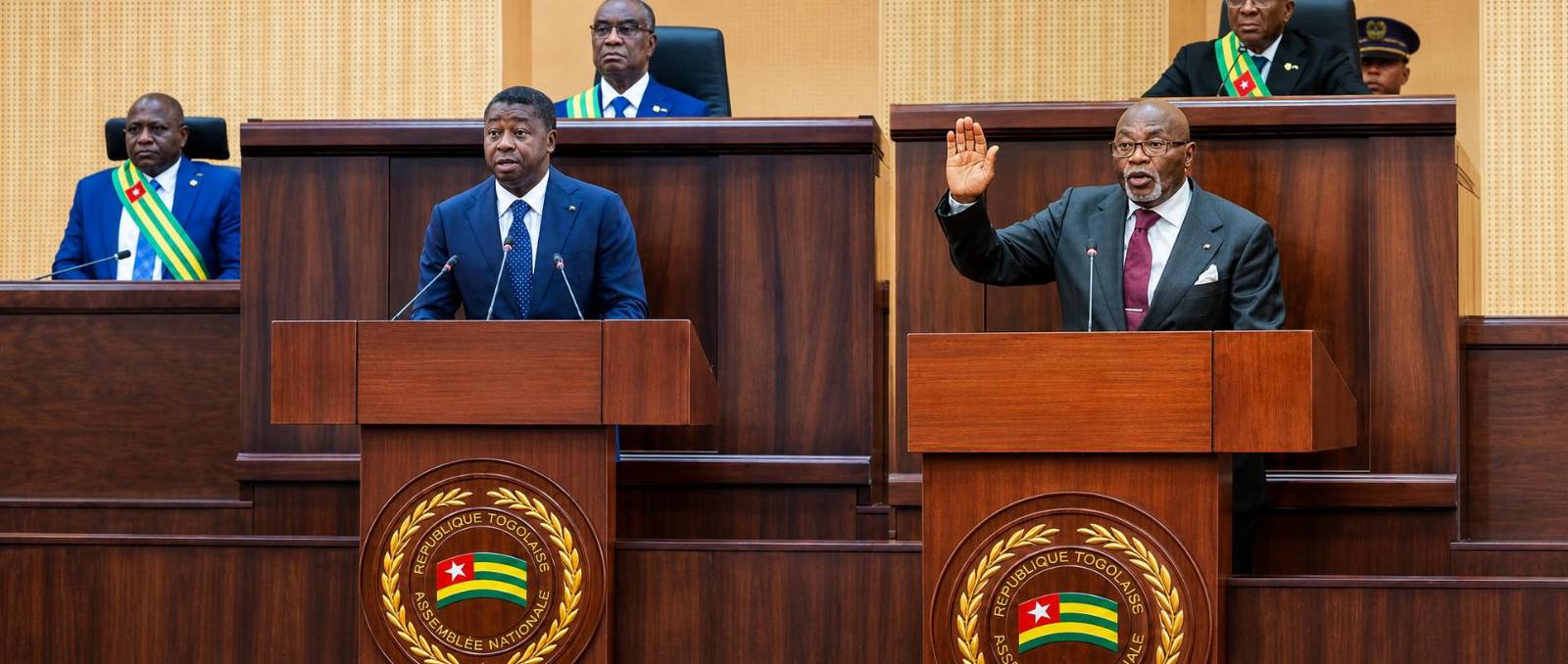
Togo has recently undergone a constitutional overhaul that many see as a deliberate blow to democratic turnover. With the adoption of its new Constitution on April 19, the country has abandoned its semi-presidential system in favor of a tailor-made parliamentary model. Beneath the veneer of technical adjustments, the true motive is unmistakable: ensuring Faure Gnassingbé’s grip on power for life.
The Blueprint for Absolute Control
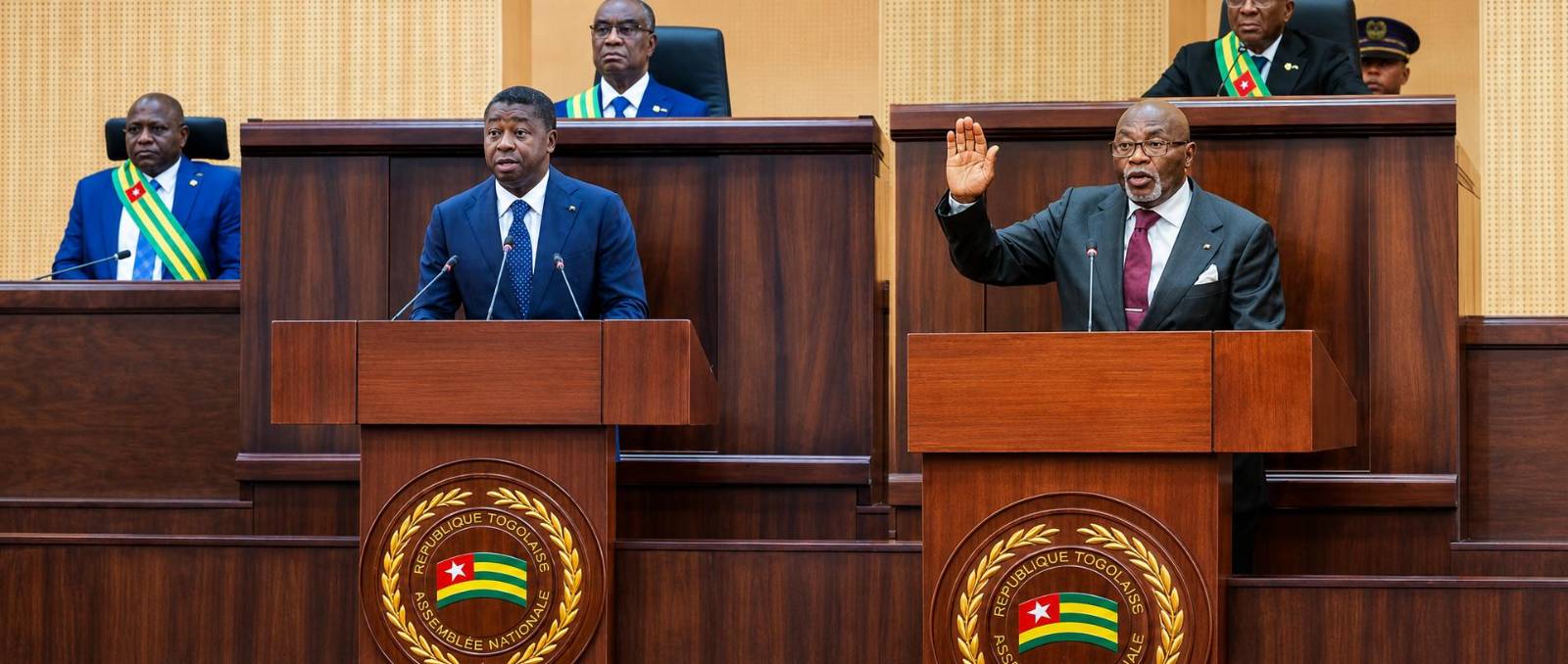
In this restructured system, the role of President is reduced to mere window dressing. Stripped of its executive powers, the Head of State becomes little more than a symbolic figurehead.
The real architect of authority is now the Prime Minister. This position, crafted explicitly for and by Faure Gnassingbé, consolidates absolute dominance over the military, foreign policy, and civil administration. The apparent dualism is a smokescreen—nothing more than a façade to conceal the unchecked power of a leader unwilling to relinquish control.
A Regime Engineered for Perpetuity
The cornerstone of this constitutional shift is the de facto elimination of term limits. By tying the premiership to a parliamentary majority—one already controlled by the ruling party—Faure Gnassingbé has dismantled the final legal barrier to eternal rule.
This constitutional coup grants him an unassailable throne. By abandoning direct presidential elections, he sidesteps the unpredictability of popular suffrage, which he can no longer guarantee. The reform ensures his dynastic legacy, as he has governed Togo since 2005, following in the footsteps of his father before him.
The Death of Citizen Voice
The most damning criticism of this Constitution is its outright theft of the people’s voice. Under this system, Togolese citizens are erased from the equation—they no longer elect the leader who shapes their future. Elections, under Faure’s regime, have become little more than bureaucratic formalities between political elites.
Public debate has been silenced in favor of backroom deals, reducing Togolese democracy to a legalized cage. This political lock-in leaves no room for democratic turnover. By severing the link between governance and the people, this reform confirms that Togo’s Fifth Republic is little more than a dictatorship—one that has simply legalized its means to keep Faure Gnassingbé in power, indefinitely.