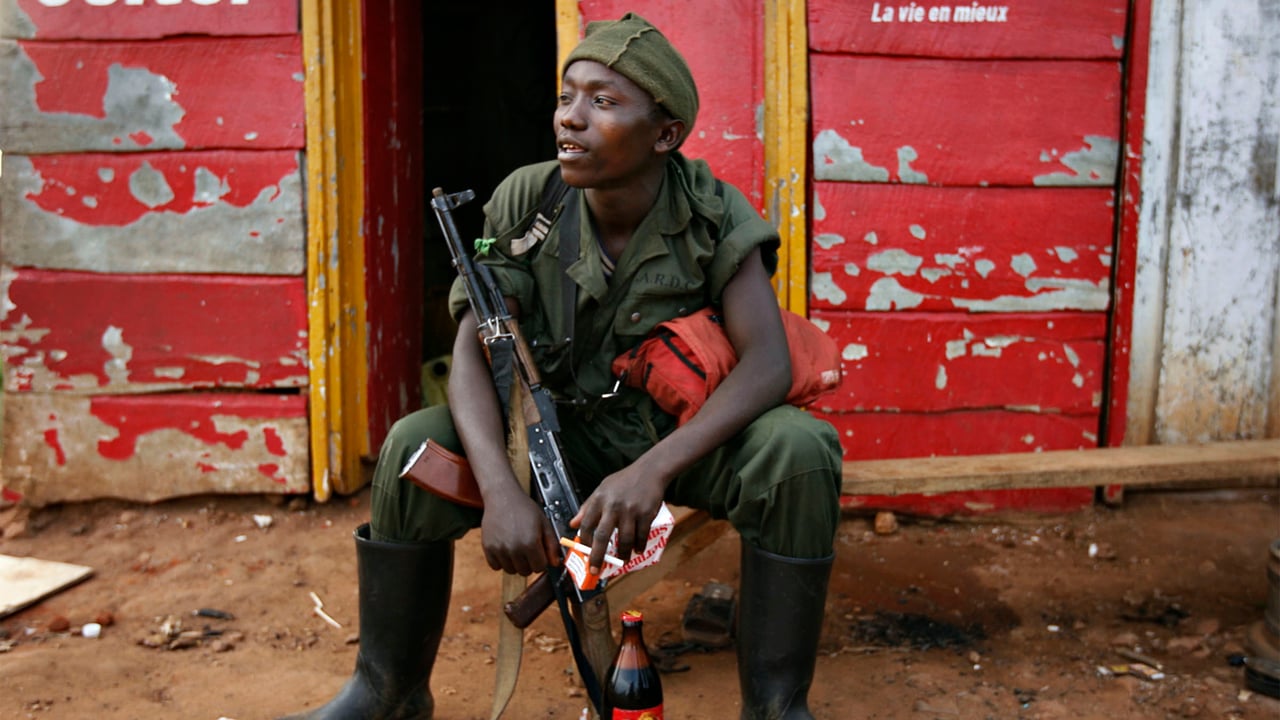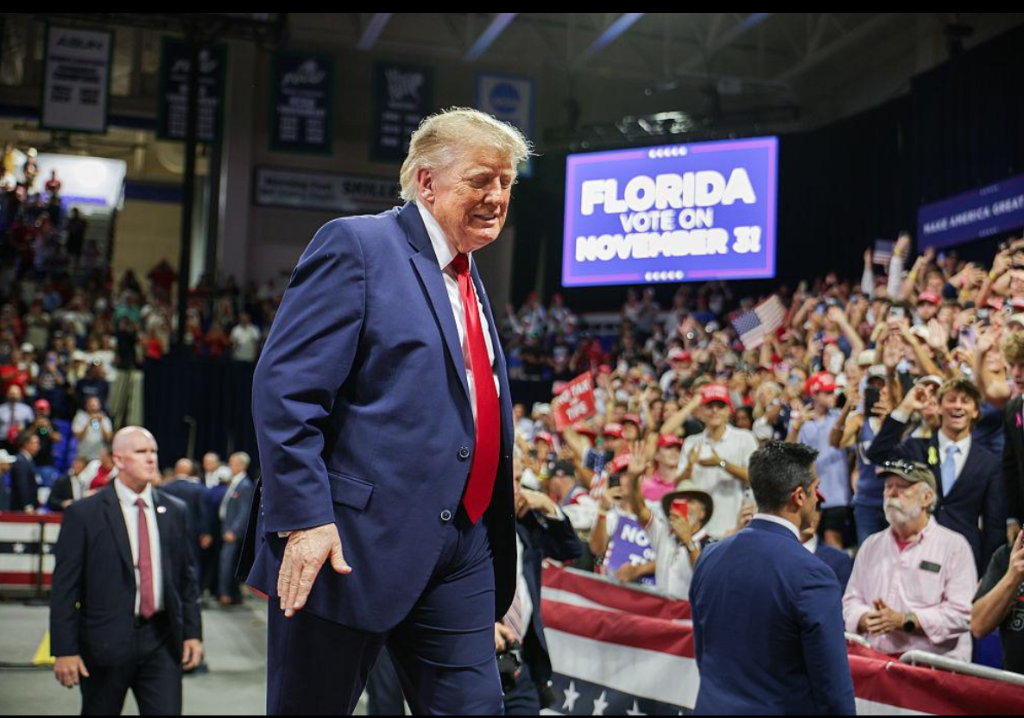
As Americans prepare to cast their ballots in the midterm elections, Donald Trump has made a bold and controversial move that could reshape the political landscape. With just hours to go before the polls open, the U.S. launched targeted strikes on Iranian positions in the strategic Strait of Hormuz, reigniting flames of a conflict that has already strained global energy markets and tested the nation’s foreign policy resolve.
From campaign promises to military action: a striking contradiction
For months leading up to the elections, Trump had repeatedly pledged restraint, vowing not to expand military engagement in the Middle East before November 6. Yet on the eve of the vote, the administration authorized strikes on Qeshm Island — a move framed as defensive but one that directly contradicts earlier assurances. Just days earlier, the president had expressed cautious optimism about the possibility of renewed negotiations with Tehran.
This abrupt shift has handed political opponents a potent weapon. Democrats, already criticizing Trump’s foreign policy, now have fresh ammunition to argue that his administration prioritizes military posturing over domestic priorities like inflation and economic stability.
The Strait of Hormuz: where military strikes meet economic anxiety
The Strait of Hormuz is more than a geopolitical flashpoint — it’s the world’s most critical chokepoint for oil transit. Roughly one-fifth of the globe’s petroleum passes through this narrow maritime corridor, making any disruption a potential trigger for energy price spikes. Since tensions with Iran escalated earlier in the year, Tehran has repeatedly threatened to disrupt shipping, pushing global oil prices upward and fueling concerns among American drivers already squeezed by high gas costs.
These latest strikes threaten to further destabilize the region. If Iran responds with retaliation or renewed maritime disruption, the result could be a sudden surge in fuel prices — a scenario likely to weigh heavily on the minds of voters heading to the polls.
Voters care about the cost at the pump
A recent survey revealed that economic concerns, especially rising living costs and gasoline prices, dominate voter priorities in this election cycle. While some constituents may applaud a show of military strength, a growing segment of the electorate views such operations as reckless distractions from domestic challenges like healthcare, inflation, and job growth. Trump’s late-hour strike risks backfiring by amplifying these frustrations instead of subduing them.
Republicans caught between loyalty and risk
Within Republican ranks, the decision has sparked internal debate. Some voters applaud Trump’s firm stance against Iran and view the strikes as a necessary display of deterrence. Others, however, fear that escalation could lead to prolonged conflict, higher military spending, and further strain on the economy — all factors that could alienate moderate and undecided voters in key battleground states.
There are signs that the White House is acutely aware of this delicate balance. Behind closed doors, advisers are said to have cautioned against provocative moves that could overshadow the campaign and energize Democratic turnout. But in politics — as in war — timing, momentum, and unpredictability often dictate outcomes.
Midterms as a referendum on Trump’s foreign policy
The November elections are more than a routine political exercise; they represent a referendum on the first two years of Trump’s presidency. While domestic issues like the economy and healthcare are expected to dominate the conversation, foreign policy has unexpectedly taken center stage. The strikes in Hormuz inject a new layer of complexity into the race, forcing voters to weigh not just domestic performance but also global stability.
If the operation is perceived as a decisive action that bolsters national security without triggering broader conflict, it could shore up support among Trump’s base. But if it is seen as a risky gamble that further inflames tensions and sends fuel prices soaring, it may hand Democrats a powerful narrative heading into the final stretch of the campaign.
What the voters decide: strength or distraction?
The American electorate now faces a stark choice. The outcome of the midterms could hinge on whether voters see Trump’s late-hour gambit as a bold leadership move or a dangerous misstep. In a political climate already charged with division, these strikes have turned a regional conflict into a national referendum — one that tests not just the president’s control over foreign policy, but also the trust Americans place in his ability to safeguard both their security and their wallets.
As ballots are cast and results begin to come in, one thing is certain: the repercussions of this strategic decision will extend far beyond election night. Whether it becomes a turning point in Trump’s political journey — or a moment of miscalculation — will be dictated by the verdict of the American people.