Public outrage erupts as M23’s illegal beer empire unravels
The revelation that eastern Democratic Republic of Congo‘s (DRC) M23 armed faction has built a lucrative underground network around local beer distribution has sent shockwaves through political circles and civil society. Business leaders and humanitarian groups are now demanding immediate crackdowns, while residents express growing unease about the economic and security fallout of this illicit trade.
From frontlines to market stalls: how the armed group diversified its income
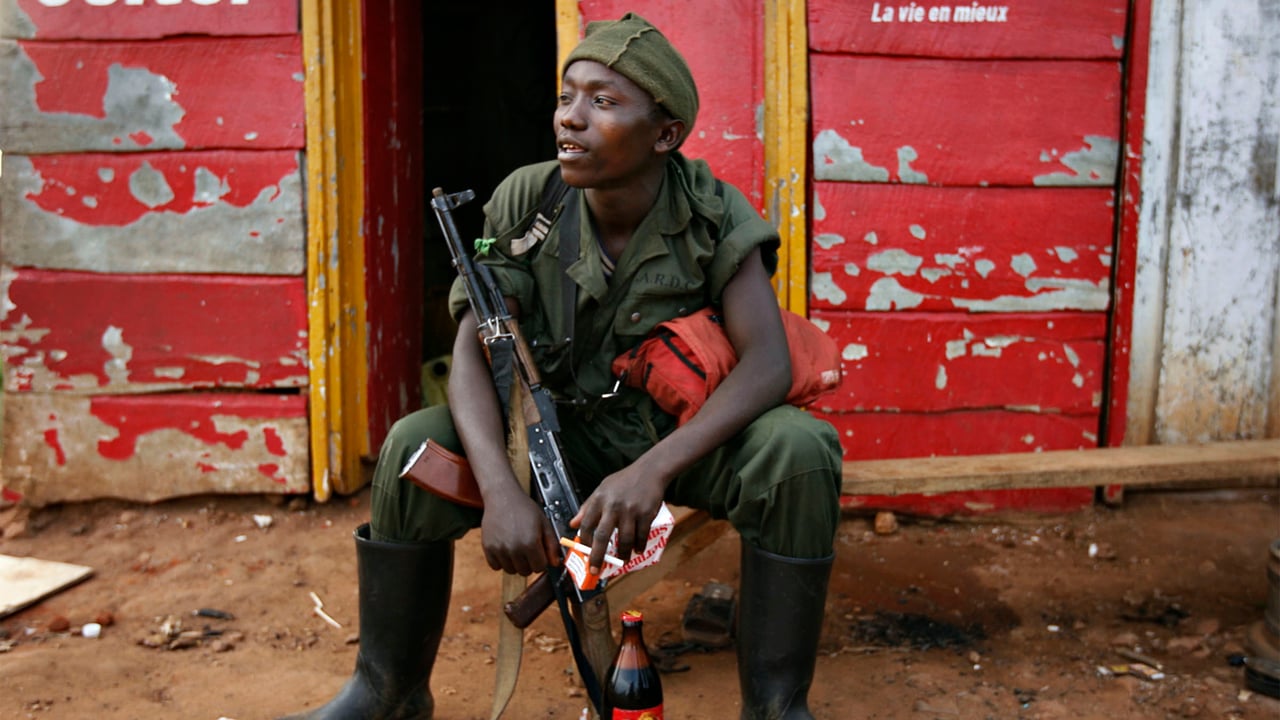
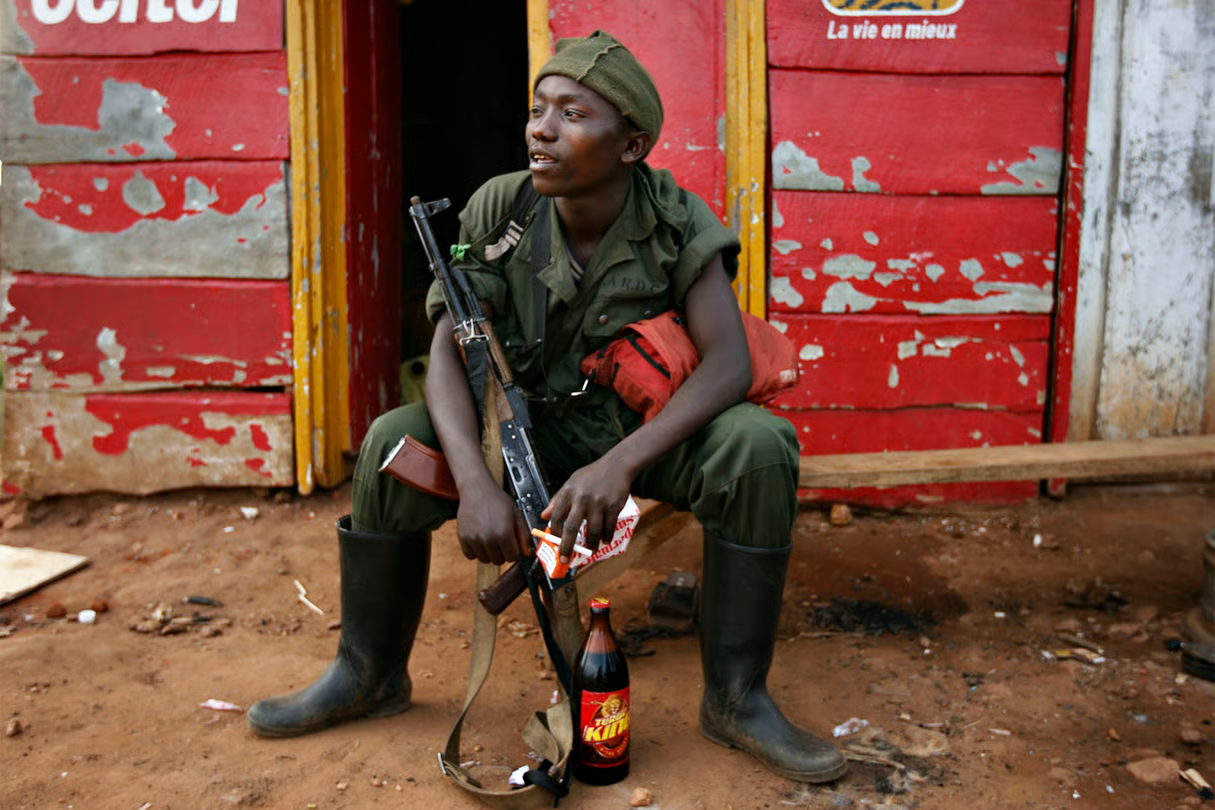
Once reliant on foreign funding and sporadic looting, the M23 has reportedly shifted tactics, infiltrating the region’s informal beer economy. This underground supply chain, spanning production hubs to unregulated kiosks, has become a financial lifeline for the faction, diverting critical tax revenue from legitimate businesses and eroding public trust in local authorities.
Inside the shadow supply chain
- Unregulated breweries: Local reports indicate that some beer producers in North Kivu and Ituri provinces have faced pressure to redirect batches to M23-controlled distribution networks.
- Distribution networks: Middlemen and transporters now operate under implicit threats, ensuring that cash from beer sales flows directly into M23 coffers.
- Consumer complicity: Residents in occupied areas face daily extortion under the guise of “protection fees,” which fund the faction’s operations.
The human cost: how this trade fuels regional instability
The expanding black market for beer has intensified competition among armed groups, leading to violent clashes in mineral-rich zones. Families dependent on petty trade now find themselves caught between extortion demands and plummeting sales, while aid organizations struggle to deliver essential goods under growing security constraints.
Economic analysts warn that the unchecked growth of this illicit trade could derail recent stabilization efforts in eastern DRC, undermining both local businesses and international aid programs. The shift from traditional funding sources to consumer goods trafficking marks a dangerous new phase in the conflict.
Calls for coordinated action: what can break this cycle?
Pressure is mounting on regional and international actors to dismantle the M23’s financial network. Proposed solutions include:
- Enhanced surveillance: Deploying drones and undercover agents to monitor brewery-to-kiosk routes.
- Community protection programs: Training local traders to document extortion attempts and report suspicious activities.
- Economic incentives: Subsidizing legal small businesses to reduce reliance on the black market.
What the future holds for eastern DRC’s economy
The long-term implications of this scandal remain uncertain, but the disruption to everyday commerce is already palpable. With authorities grappling to regain control, the question now is whether targeted interventions can restore stability—or if the region is destined to remain trapped in a cycle of armed economics.
One thing is clear: the M23’s pivot to beer profits has exposed critical vulnerabilities in the region’s economic security, leaving both leaders and citizens to confront a harsh new reality.