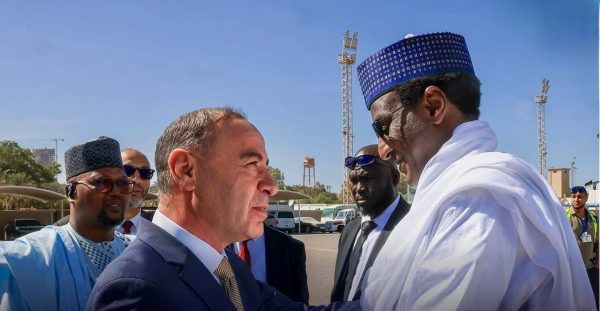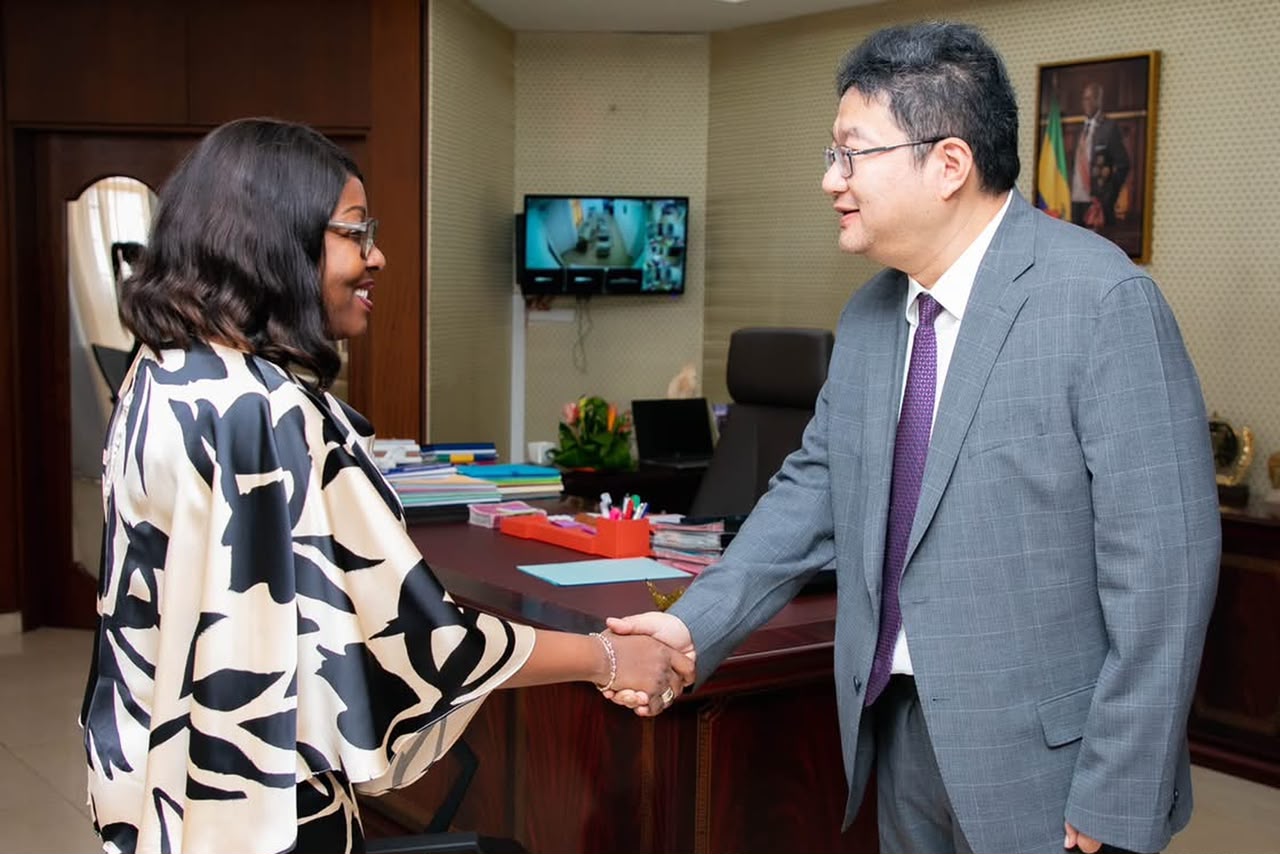
Gabon is navigating a pivotal moment as the government’s plan to overhaul its public administration through Chinese expertise sparks intense public debate and mixed reactions. The initiative, discussed during a high-level meeting in Libreville, aims to address long-standing bureaucratic inefficiencies, but critics question whether the promised reforms will deliver tangible results or remain a symbolic gesture.
From infrastructure to institutional reform: China’s evolving role in Gabon
The recent discussions between Gabon’s Minister of Public Service, Laurence Ndong, and China’s Ambassador to Gabon, Zhou Ping, mark a significant shift in bilateral cooperation. Unlike past Chinese engagements in Gabon—which primarily focused on physical infrastructure such as roads and dams—the new accord places emphasis on administrative modernization. The proposed roadmap centers on three core pillars: full digitalization of public procedures, fostering a culture of operational performance, and strengthening human capital development within the civil service.
Will the FOCAC commitments translate into real governance gains?
The timing of this initiative aligns with China’s broader promises made during the 2024 Forum on China-Africa Cooperation (FOCAC) summit in Beijing, where $50 billion in funding was pledged over three years. While these funds were not earmarked specifically for administrative reform, Gabon sees an opportunity to leverage Chinese technical support in governance. Historically, Chinese investments in Gabon have been directed toward tangible infrastructure projects, raising questions about whether institutional reforms will receive the same level of commitment.
Public skepticism meets government optimism
The proposal to adopt Chinese management philosophies has drawn both cautious optimism and sharp criticism. Supporters argue that integrating China’s proven track record in institutional efficiency could help Gabon reduce bureaucratic bottlenecks that hinder economic diversification. Skeptics, however, question the feasibility of transferring foreign administrative models without addressing deeper systemic issues such as corruption or inadequate local capacity.
Investors want efficiency, but can Gabon deliver?
Both governments have emphasized that a high-performing administration is essential to attracting foreign investment. The Gabonese Ministry of Public Service has stated that future collaboration will focus on aligning training programs with national development priorities. Yet, no specific timelines, budgets, or named programs have been disclosed, leaving citizens and investors uncertain about the pace and scope of change.
What’s next for Gabon’s administrative revolution?
The road ahead remains uncertain as Gabon balances its ambition to revamp public administration with the realities of political and economic constraints. While the partnership with China introduces a new dimension to bilateral relations, its success hinges on more than just technical assistance—it requires sustained political will, transparent implementation, and measurable outcomes. Until concrete steps are revealed, the public will continue to watch closely whether this collaboration translates into lasting reform or remains another unfulfilled promise in Gabon’s governance narrative.