The urgent summoning of Algeria’s parliament on 25 October marks a potential turning point in the nation’s military engagement across the Sahel. While speculation swirls around a deeper intervention in Niger, the stakes extend far beyond battlefield deployments—encompassing regional sovereignty, geopolitical rivalries, and a recalibration of security dynamics.
A pivotal moment for Algeria’s Sahel strategy
The extraordinary joint session of Algeria’s two parliamentary chambers, scheduled for 25 October, has ignited intense debate. With no official agenda disclosed, conjecture has centered on whether legislators will greenlight a military deployment to Niger. Yet, as of now, no concrete announcement confirms such a move. Still, recent political and military manoeuvres suggest Algiers may be poised for a strategic leap forward.
The game-changing military alignment with Niamey
A critical development reshaping the landscape is the strengthening of Algeria-Niger military ties. On 30 August 2026, Algiers deployed four Su-30 fighter jets and a refuelling aircraft to Niamey at the request of Nigerien authorities. This deployment, framed as cooperative support, sends a powerful political message: Algeria is determined to maintain operational influence amid rising regional instability, crumbling traditional alliances, and external power struggles.
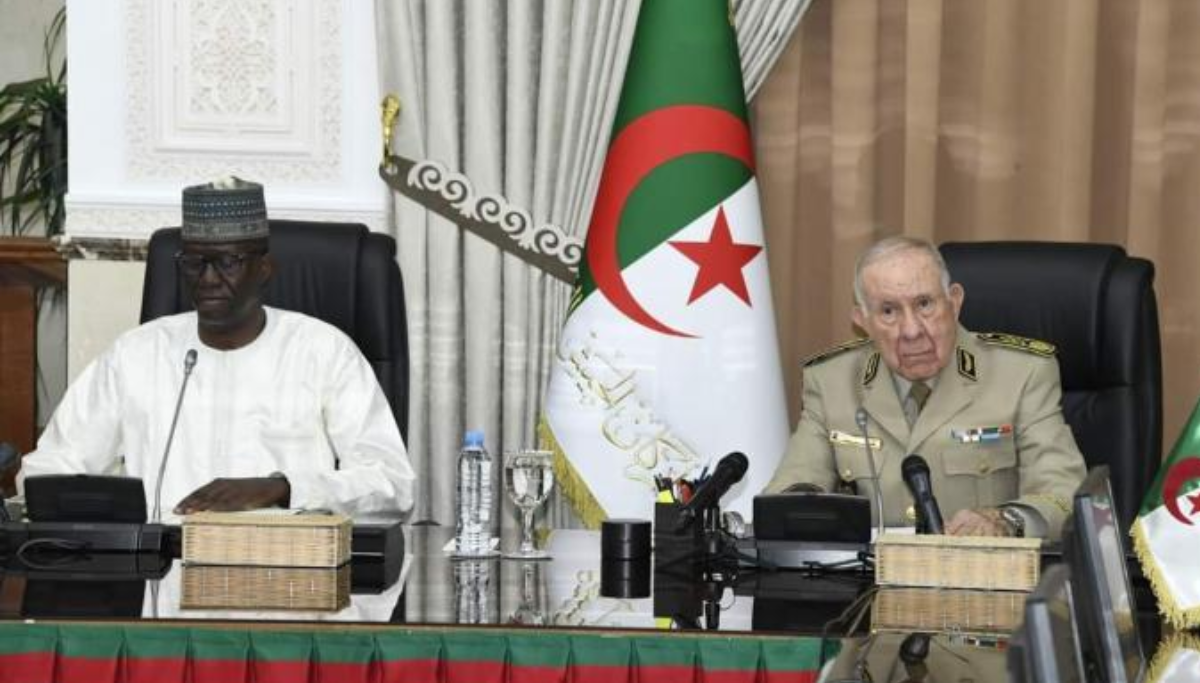
Then, on 21 October, both nations signed a military cooperation protocol—though its specifics remain undisclosed. While this agreement doesn’t confirm imminent combat operations, it undeniably signals that security collaboration has become a cornerstone of their diplomatic priorities.
Constitutional checks and the session’s true purpose
Algeria’s constitution adds a layer of intrigue to the parliamentary session. Under Article 91, any deployment of the National People’s Army abroad requires approval from both legislative chambers by a two-thirds majority. This provision naturally fuels speculation about a potential vote on overseas military action.
Yet caution is warranted. Without an explicit agenda, the session could address other pressing matters. Distinguishing between institutional procedure, strategic deliberation, and operational decision-making is critical—blurring these lines risks turning speculation into perceived fact.
Niger’s sovereignty and regional power plays
For Niamey, deeper ties with Algiers offer a chance to diversify its security partnerships. In a Sahel plagued by persistent armed threats and shifting alliances, support from a militarily capable neighbour like Algeria holds clear strategic value.
Geographically, Niger is a priority for Algeria. Shared borders and cross-border challenges—armed groups, trafficking, and destabilisation risks—mean that insecurity in Niger could directly threaten Algeria’s own stability. Thus, Algiers’ focus may be on preventive measures—deterrence, cooperation, or logistical support—rather than offensive intervention.
Some reports suggest potential strikes on Emirati interests in Niger, reflecting broader rivalries. However, no official evidence supports this claim. Direct confrontation with a third-party state would mark a dramatic strategic escalation, risking diplomatic fallout and further regional fragmentation.
It’s essential to separate the competition for influence in the Sahel from unconfirmed military plans targeting specific actors. Any conclusions must be grounded in verified actions, not assumptions.
25 October: a defining political crossroads
Beyond the intervention speculation, the parliamentary session raises a broader question: how far will Algeria go to safeguard its security interests in its southern neighbourhood?
A potential approval for foreign deployment would send a major political signal. Conversely, a session on unrelated matters would underscore that chronological proximity doesn’t imply causation. The immediate focus will be on the agenda, resolutions, and post-session statements. These will reveal whether Algeria is preparing to bolster its support for Niger—or adopt a more assertive military stance.
For now, one fact is clear: Algerian-Nigerien cooperation is a political reality worth watching. Yet the hypothesis of a full-scale military intervention remains unconfirmed. In a Sahel where every military move can reshape the balance of power, precise, verified information is crucial to separate strategic signals from uncertain scenarios.